
Nelson Laizer, Founder & Travel Designer
What to Pack for a Tanzania Safari: The Complete Packing List
A complete Tanzania safari packing list, with the rules specific to Tanzania: the 15 kg light-aircraft limit, the plastic bag ban and no camouflage, plus what to wear, what to leave at home and a tick-box checklist.

Reviewed November 2026 by the Emnel team in Arusha.
The short answer: Pack light, neutral-coloured layers (khaki, olive, tan and stone), a warm fleece or jacket for cold early mornings, comfortable closed shoes, a wide-brimmed hat, sunglasses, high-factor sunscreen, insect repellent, binoculars and your camera, all in a soft-sided bag. Three rules are specific to Tanzania: light aircraft allow just 15 kg per person, including hand luggage; plastic carrier bags are banned; and camouflage clothing must not be worn. Leave dark blue and black at home, because they attract tsetse flies.
Every safari guest receives a packing list, but most lists are written for anywhere in Africa. This one is written for Tanzania: the cold crater rim at dawn, the dust of the Serengeti in the dry season, the light aircraft between camps and the beach on Zanzibar at the end. It comes from the team who plan these journeys in Arusha and whose guides see every day what guests wish they had packed, and what they never used.
Four packing rules that are specific to Tanzania
Rule | What it means for you |
|---|---|
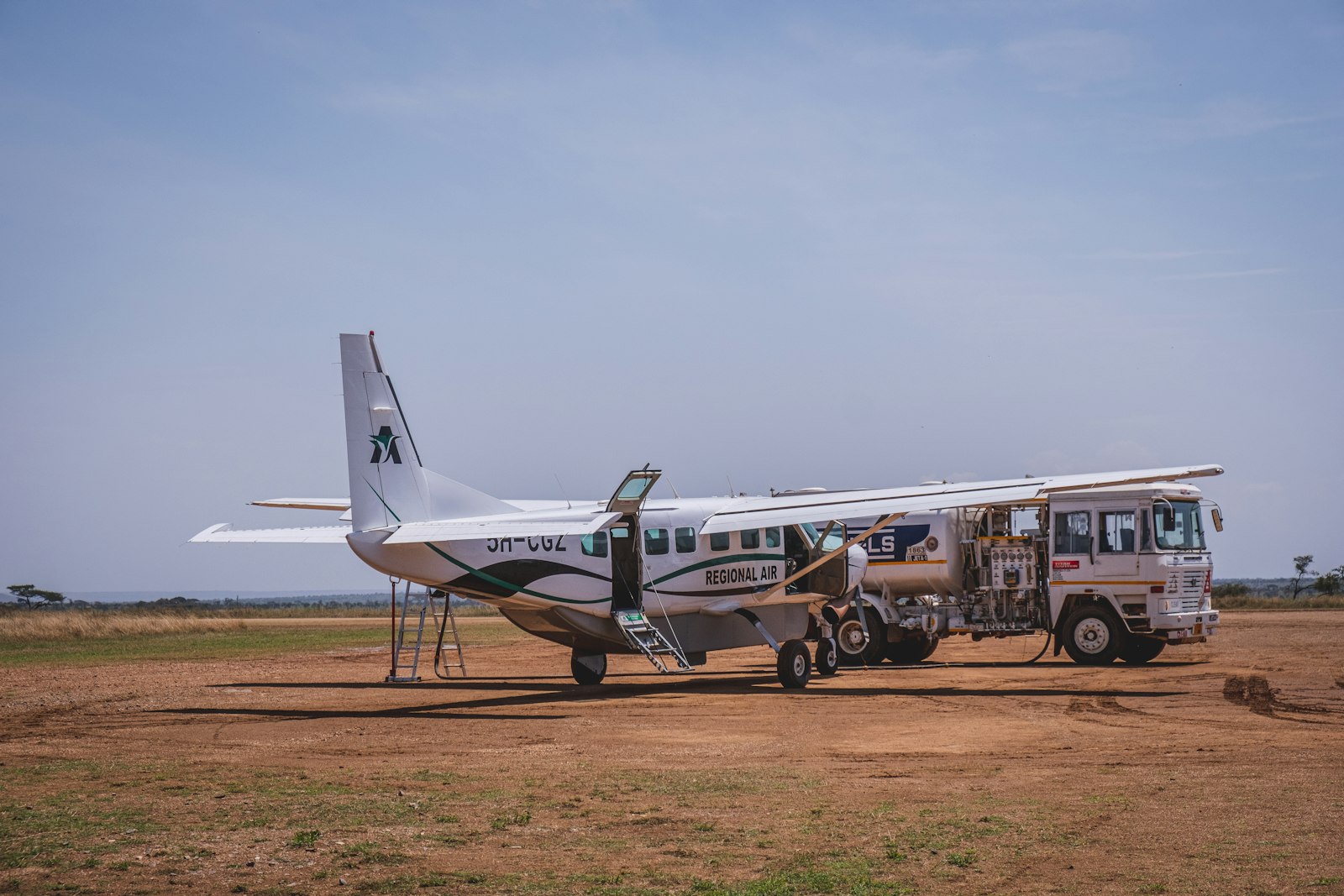
15 kg on light aircraft | If your safari includes a flight between parks or to Zanzibar, Coastal Aviation's limit is 15 kg (33 lb) per person, including hand luggage, ideally in a soft-sided bag that fits the small hold. Fares and routes are in our guide to what a Great Migration safari costs. |
No plastic carrier bags | Tanzania banned plastic carrier bags in 2019. Leave them out of your luggage; clear zip-lock bags for your toiletries are allowed. |
No camouflage clothing | Camouflage prints are reserved for the military in Tanzania, so leave them at home, including children's clothes and bags. |
Avoid dark blue and black | Tsetse flies are attracted to dark blue and black, particularly in Tarangire and parts of the Serengeti. Neutral colours are cooler and less noticeable to wildlife too. |
If you are driving the whole safari with your guide, the 15 kg limit does not apply on the road, but a soft bag is still easier to load into the vehicle. If you travel with a larger suitcase for the rest of your trip, it can be stored in Arusha while you are on safari; Coastal Aviation, for example, will keep larger bags at its offices until you head home, and we arrange this for you.
The weather you are packing for
Tanzania is close to the equator, but altitude changes everything. On one safari you can wake to near-freezing air on the crater rim and finish on a beach at 30°C.
Where | What to expect | What you will want |
|---|---|---|
Arusha | Mild days, cool evenings | Light layers and a jumper |
Ngorongoro Crater rim (about 2,300 m) | Cold early mornings and evenings, especially June to August | A warm fleece or down jacket, a beanie and light gloves |
Warm to hot days, cool mornings in the open vehicle, dust in the dry season | Layers you can peel off, a scarf or buff for dust, a hat | |
Zanzibar | Hot and humid all year | Light cotton and linen, swimwear, a cover-up for Stone Town |
For the month-by-month picture, see our guide to the best time for a Tanzania safari.
The complete Tanzania safari packing list
Tick items off as you pack. Quantities assume a safari of about a week; most camps offer laundry, so you can pack less for longer trips.
Clothing
☐ 3–4 lightweight shirts or T-shirts in neutral colours
☐ 2 long-sleeved shirts, for sun and evening mosquitoes
☐ 2 pairs of lightweight trousers or zip-off trousers
☐ 1 pair of shorts
☐ 1 warm fleece or jumper
☐ 1 warm jacket (a packable down jacket is ideal for the crater rim)
☐ 1 light waterproof jacket, especially from November to May
☐ Comfortable clothes for evenings at camp (safari camps are relaxed; smart-casual at most)
☐ Sleepwear and underwear, including a sports bra for bumpy roads
☐ Swimwear, for lodge pools and Zanzibar
☐ A buff or light scarf for dust and sun
Footwear
☐ Comfortable closed shoes or light walking shoes
☐ Sandals or flip-flops for camp and the beach
☐ Walking boots only if your safari includes a walking safari or a hike
Sun and insect protection
☐ A wide-brimmed hat that will not blow off in an open vehicle
☐ Sunglasses
☐ High-factor sunscreen and lip balm with SPF
☐ Insect repellent containing DEET or picaridin
☐ Any malaria medication your travel clinic recommends
Gear
☐ Binoculars, ideally one pair per person
☐ Camera, spare batteries and memory cards
☐ A power bank (most vehicles and camps can charge devices, but solar camps may limit power)
☐ A plug adaptor: Tanzania mainly uses UK-style three-pin (Type G) sockets
☐ A small head torch for walking around camp at night
☐ A reusable water bottle
☐ A small daypack for the vehicle
Health and toiletries
☐ Personal medication, in its original packaging, plus a copy of any prescription
☐ A small first-aid kit: plasters, painkillers, rehydration salts, antihistamines
☐ Hand sanitiser and wet wipes
☐ Toiletries in a clear zip-lock bag
☐ Moisturiser and eye drops for dry, dusty days
Documents and money
☐ Passport, valid for at least six months after you leave Tanzania, with blank pages
☐ Your Tanzania visa or e-visa approval
☐ Travel insurance documents, including medical evacuation cover
☐ A yellow fever certificate, if your travel clinic says you need one for your route
☐ Your Emnel itinerary and emergency contact details (see what a good operator should give you)
☐ US dollars in clean, recent notes for tips and small purchases (older notes are often refused)
☐ A credit card for lodge extras
For children
☐ Their own binoculars and a notebook for an animal checklist
☐ Favourite snacks for long drives
☐ Games, books or downloaded films for downtime
☐ Child-strength sunscreen and repellent, as advised by your clinic
For more on safaris with children, see what age children can go on safari and the best family-friendly safari lodges.
For Zanzibar
☐ Reef-safe sunscreen
☐ Water shoes for the reef and the east coast at low tide
☐ Light clothes that cover shoulders and knees for Stone Town and village visits
See where to stay in Zanzibar after your safari for which coast suits you.
What not to pack
A hard-shell suitcase, if you are flying between parks. It may not fit the aircraft hold.
Plastic carrier bags, including those used to wrap shoes or laundry.
Camouflage clothing of any kind.
Bright white clothes on safari days. They show every speck of dust within an hour.
Too many outfits. Most guests wear the same comfortable layers every day, and many camps wash your clothes for you.
Expensive jewellery. You will not need it, and it is one less thing to look after.
What we provide on safari
You do not need to pack everything. In your private Emnel vehicle, your guide carries drinking water, a cool box, field guides to the animals and birds, and a charging point for phones and cameras. Your camps provide towels, toiletries and, at most, laundry. If you are unsure about anything on this list, ask us; we would rather answer a question than have you carry something you will not use.
Checklist: the weeks before you travel
☐ 8 weeks before: visit a travel clinic for vaccinations and malaria advice
☐ 6 weeks before: apply for your Tanzania visa and confirm your travel insurance
☐ 2 weeks before: check your passport, buy any missing gear and break in your shoes
☐ 1 week before: weigh your bag if you are flying between parks, and get clean US dollar notes
☐ The day before: charge everything and pack your daypack for the first game drive
Our article on safety on a Tanzania safari covers insurance and health preparation in more detail.
“As a female solo traveler, I felt safe, comfortable, and cared for throughout the entire trip. … A special shoutout to Josh, my guide — the true captain of my safari. He treated me like family, shared countless stories, and taught me so much about wildlife.”
— Sujana H, solo traveller, 7-Day Serengeti Safari & Zanzibar
How we keep this guide current
We review this list each year against airline baggage rules, entry requirements and what our guides see guests use on safari. Last reviewed: November 2026.
Frequently asked questions
What should I wear on a safari in Tanzania?
Light, neutral-coloured layers such as khaki, olive, tan and stone, with a warm fleece or jacket for early mornings and the Ngorongoro Crater rim. Avoid camouflage, which is not permitted, and dark blue or black, which attract tsetse flies.
How much luggage can I take on a safari in Tanzania?
On light aircraft, the limit is 15 kg (33 lb) per person, including hand luggage, ideally in a soft-sided bag. If you drive the whole safari, there is no strict limit, but a soft bag is still easier.
Can I bring a suitcase on safari?
On a driving safari, yes. If you fly between parks, use a soft-sided bag; a larger suitcase can be stored in Arusha until you return.
Is it cold on safari in Tanzania?
Early mornings and evenings can be cold, especially on the Ngorongoro Crater rim at about 2,300 m and from June to August. Days in the parks are usually warm.
Are plastic bags allowed in Tanzania?
No. Plastic carrier bags have been banned since 2019. Clear zip-lock bags for toiletries are allowed.
Do I need binoculars on safari?
Yes. They make a real difference, especially for birds and distant animals. Ideally bring one pair per person so no one has to wait.
Plan your safari with the team who guide it
Tell us when you would like to travel and who is coming, and we will reply within 24 hours with a personal route, named camps and a clear, all-inclusive price. Every guest receives a full pre-departure pack before they travel, and every journey is planned in Arusha and guided by the team who will be with you on the ground.
Prefer to talk it through first? Contact our team in Arusha.