
Nelson Laizer, Founder & Travel Designer
Is Tanzania Safe for a Safari? An Honest Guide for 2026–27
Is Tanzania safe for a safari right now? What UK, US and Canadian travel advice says in November 2026, what changed after the 2025 election, the new mandatory entry insurance, and how safety works on safari, from a team based in Arusha.

Official travel advice last checked: 14 November 2026, by the Emnel team in Arusha.
The short answer: Yes. For most travellers, a well-planned safari in Tanzania is safe. As of November 2026, the UK advises against travel only to a small area within 20 km of the Mozambique border, hundreds of kilometres from the safari parks. On 16 October 2026 the United States lowered its advice for Tanzania from Level 3 back to Level 2, "Exercise increased caution", where it had been before the October 2025 election unrest. Canada asks travellers to exercise a high degree of caution. The northern safari circuit, Kilimanjaro and Zanzibar are far from the areas flagged in any of this advice. The main risks visitors face are petty crime in cities, long road journeys and health, and all three are manageable with good planning.
No destination is free of risk, and we would not pretend otherwise. What follows is an honest guide to what the official advice actually says, what changed after the 2025 election, the new insurance rule every visitor needs to know about, and how safety works day to day on safari. It is written by a team that lives in Arusha and is on the ground with guests every week.
What governments say about Tanzania right now
Official travel advice is the best starting point, and it is worth reading the full pages for your own nationality. This is a summary of the current advice from three of the governments our guests most often consult.
Government | Current advice for Tanzania | Areas with stronger warnings |
|---|---|---|
No advice against travel to Tanzania as a whole. Standard precautions on crime, terrorism and health. | Advises against all but essential travel within 20 km of the border with Cabo Delgado province in Mozambique. Advises caution and daylight-only driving near the Burundi border and in Kigoma region. | |
Level 2, "Exercise increased caution", since 16 October 2026, lowered from Level 3. Cites crime, terrorism, unrest, arbitrary enforcement of laws and limited medical care outside Dar es Salaam and Arusha. | Level 3 for the Mtwara border area near Mozambique. | |
"Exercise a high degree of caution." | Regional advice for the Mozambique border area. |
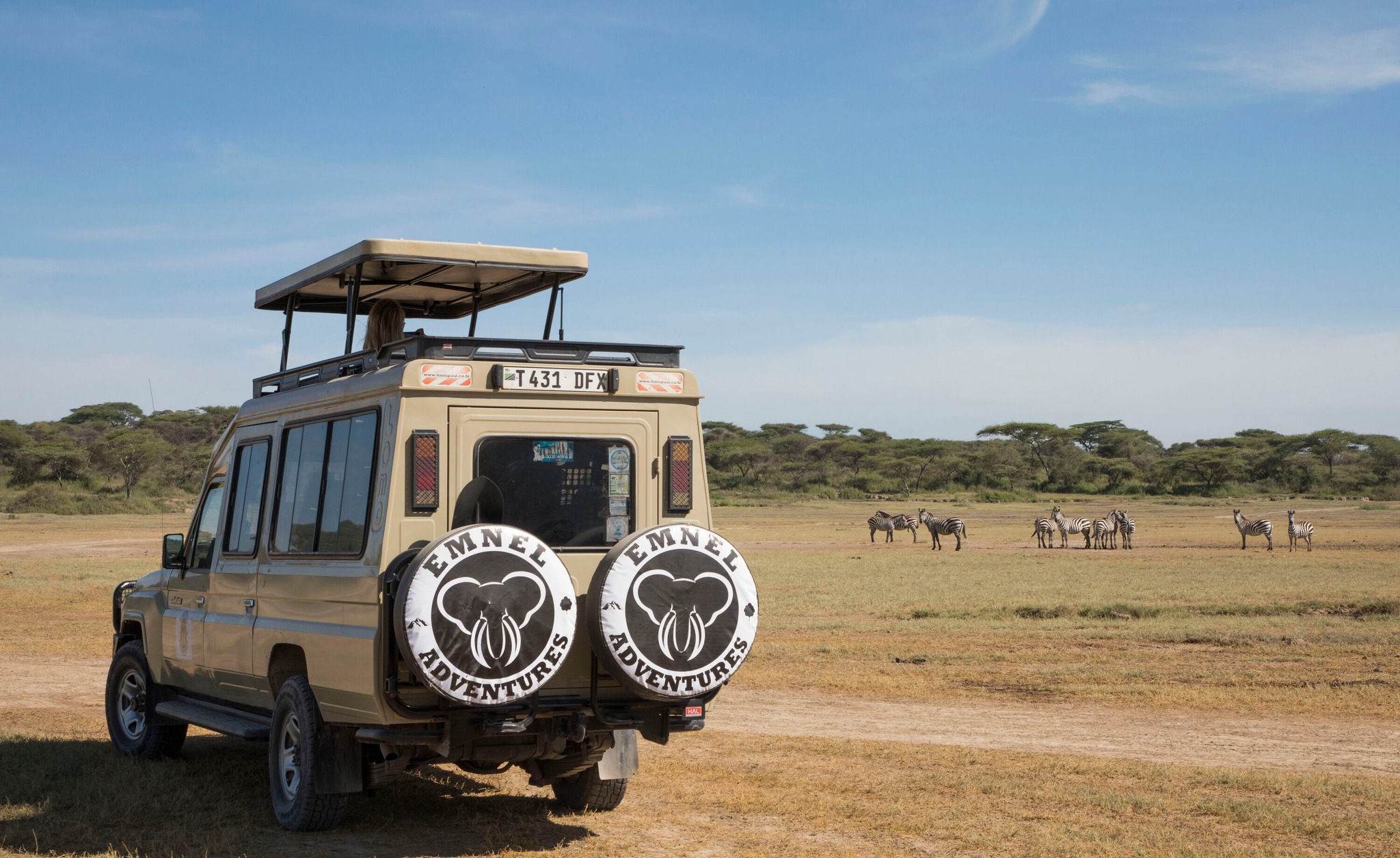
The pattern is consistent: the strongest warnings apply to Tanzania's far south-east and far west, regions that safari itineraries do not visit. Arusha, Tarangire, Ngorongoro, the Serengeti, Kilimanjaro and Zanzibar carry no specific regional warnings from the UK.
Have questions about travelling now? Tell us your dates and any concerns, and our team in Arusha will give you an honest picture of conditions on the ground. We reply within 24 hours. Plan my safari
What happened after the 2025 election, and what has changed since
Tanzania held general elections on 29 October 2025. Protests and unrest followed in Dar es Salaam and several other cities, with fatalities reported, a curfew and disruption to the internet and transport for some days. Governments raised their travel advice in response: the US moved Tanzania to Level 3, "Reconsider travel", on 31 October 2025, and the UK briefly advised against all but essential travel to the whole country.
Calm returned in early November 2025, curfews were lifted, and the UK withdrew its country-wide warning soon afterwards. Safari operations in the national parks, which are far from the cities where the unrest took place, continued through the period. Nearly a year later, on 16 October 2026, the US returned Tanzania to Level 2, the same level it held before the election, while keeping its stronger warning for the Mozambique border area.
Our practical advice is the same advice the governments give: avoid political gatherings and demonstrations wherever you are, keep an eye on local news during your trip, and travel with an operator who can adapt your plans if anything changes. On a safari with us, your route keeps you in the parks and away from city centres for almost the whole journey.
New in 2026: mandatory travel insurance to enter Tanzania
Since 1 October 2026, foreign visitors entering mainland Tanzania must hold the government's inbound travel insurance. Many travellers have not heard about it yet, and without it you may be refused entry.
Cost: US$44 per adult, valid for up to 92 days.
Where to buy it: from the National Insurance Corporation (NIC) if you first arrive in mainland Tanzania, for example at Kilimanjaro International Airport, Arusha or Dar es Salaam. If you first arrive in Zanzibar, buy the Zanzibar policy from the Zanzibar Insurance Corporation (ZIC) instead.
One policy is enough: the policy from your first point of entry covers you for both the mainland and Zanzibar.
It does not replace your own insurance: it is a separate entry requirement. You should still carry comprehensive travel insurance that includes medical evacuation.
Exemptions: residents of East African Community (EAC) and SADC countries are exempt.
We remind every guest about this in their pre-departure information, and the UK entry requirements page has the latest official details.
Where you will travel, and where the warnings apply
Area | Typical for a safari? | Official regional warnings |
|---|---|---|
Arusha and Kilimanjaro International Airport | Yes, the starting point of most safaris | None specific; normal city precautions |
Tarangire, Ngorongoro and the Serengeti | Yes, the classic northern circuit | None specific; follow park rules and your guide |
Yes, a popular ending to a safari | None specific; normal precautions in Stone Town | |
Sometimes, usually by light aircraft | None specific; remote, so evacuation cover matters | |
Mtwara, within 20 km of the Mozambique border | No | UK: against all but essential travel. US: Level 3 |
Kigoma region and the Burundi border | No | UK: caution, drive in daylight only |
How safety works on safari itself
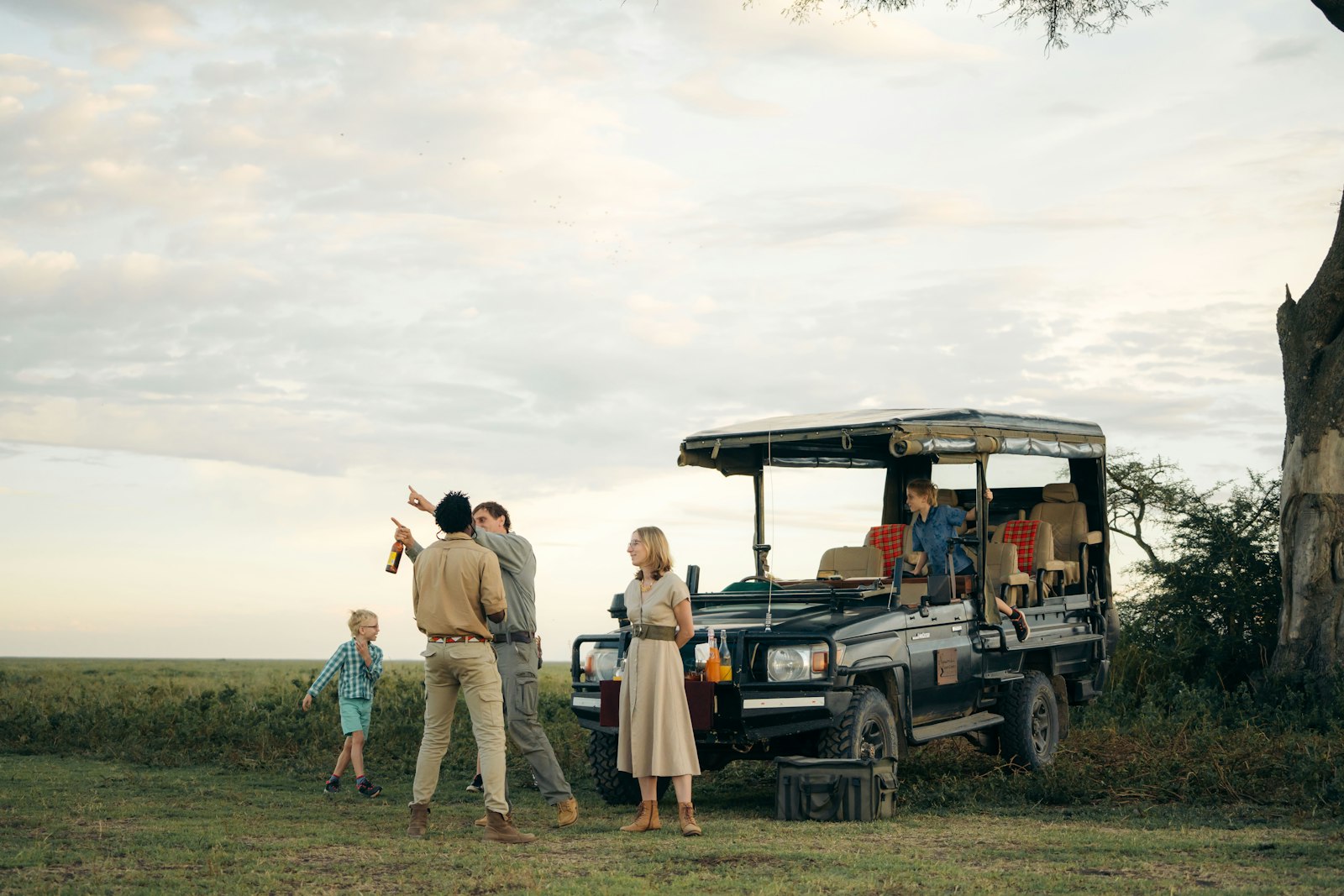
Inside the parks, the risks are different from those in a city, and most of them are managed by simply following your guide.
Stay in the vehicle unless your guide says otherwise. Animals in Tanzania's parks are used to vehicles and generally treat them as part of the landscape. Leaning out, standing on the roof or stepping out near wildlife changes that.
Listen to your guide at sightings. They read animal behaviour all day, every day, and will position the vehicle at a respectful distance.
At camp after dark, unfenced tented camps have staff, often Maasai askaris, who walk you to and from your tent. Use them every time.
Walking safaris are always led by an armed ranger or a qualified walking guide, never alone.
Remote areas are a long way from hospitals. This is why comprehensive insurance with medical evacuation is essential, as the UK advice also stresses.
Health: what to prepare before you go
Malaria is present in most of Tanzania, including the safari parks and Zanzibar. See a travel clinic six to eight weeks before you travel for advice on antimalarial medication, and use repellent and long sleeves in the evenings.
Yellow fever: you need a vaccination certificate if you arrive from, or transit through, a country with a risk of yellow fever. Check your route with a travel clinic.
Water: drink bottled or filtered water. Camps and our vehicles provide it.
Sun and altitude: the equatorial sun is strong, and the Ngorongoro Crater rim sits above 2,000 metres, so bring sun protection and a warm layer.
Medical care is limited outside Dar es Salaam and Arusha, which is why evacuation cover matters.
This is general guidance, not medical advice. Your travel clinic will advise you based on your health and your route.
Cities, roads and Zanzibar
Arusha and Dar es Salaam
As in most cities, the main risk is petty theft. Keep valuables out of sight, use your hotel safe, avoid walking alone after dark and use transport arranged by your hotel or operator. On a private safari you spend very little time in cities: usually one night in Arusha at the start, if any.
Road travel
Road accidents are a more realistic risk than crime for most visitors to East Africa. Travelling with a professional guide in a well-maintained vehicle, avoiding driving after dark and flying the longest legs, such as from the Serengeti back to Arusha, all reduce it. Our guide to how many days you need explains when flying makes sense.
Zanzibar
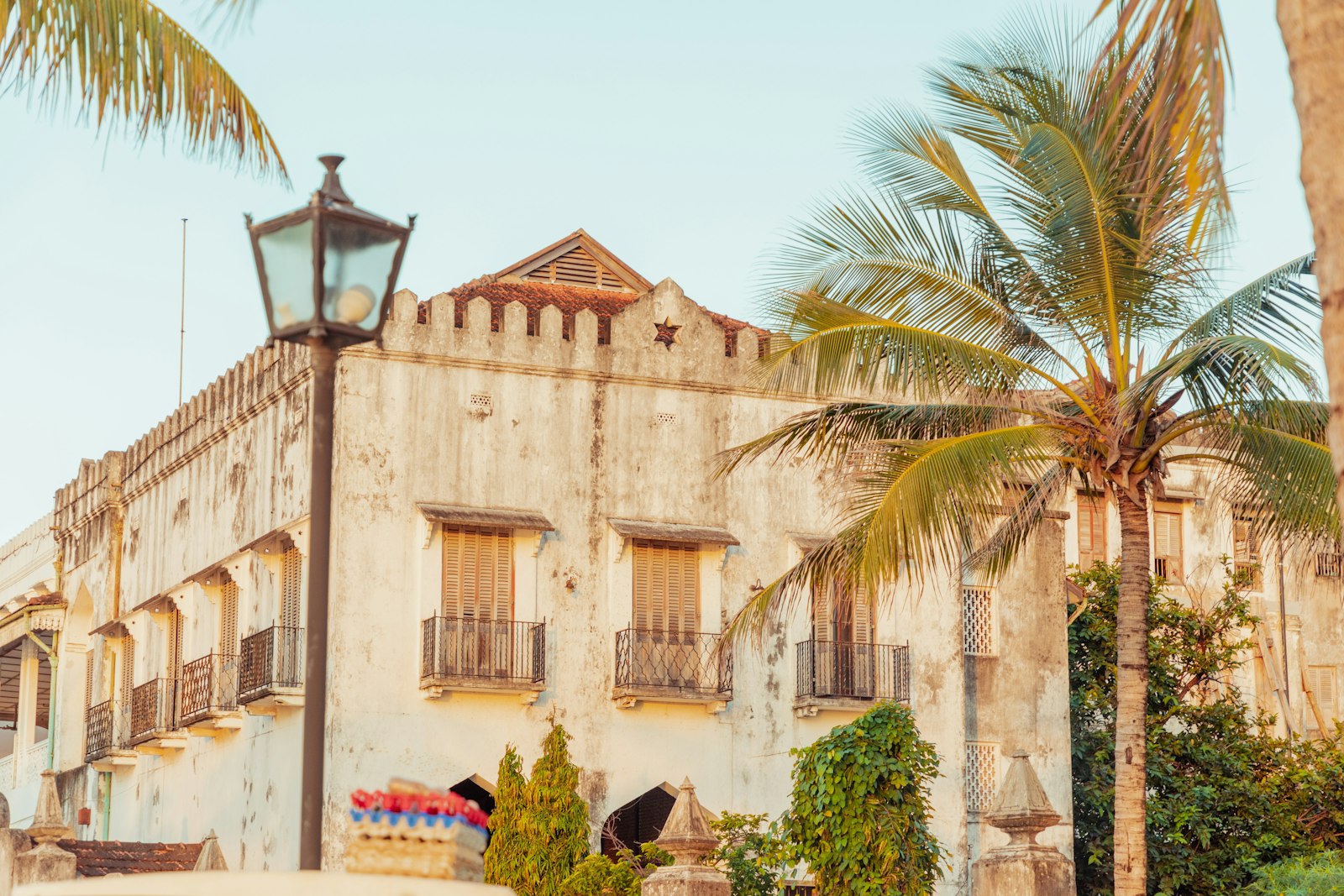
Zanzibar is a relaxed, welcoming island. In Stone Town, take normal care with valuables in the narrow lanes, especially at night, and politely decline unofficial guides on the beach. Zanzibar is predominantly Muslim, so dress modestly away from the beach, with shoulders and knees covered in town, and be especially respectful during Ramadan.
Is Tanzania safe for…
Solo female travellers?
Yes, with sensible precautions. Many women travel in Tanzania alone, and a private safari means you are with your own guide and vehicle throughout, rather than sharing with strangers. Dress modestly in towns and in Zanzibar, and arrange transfers through your operator.
Families with children?
Yes. Tanzania is one of Africa's best family safari destinations. The main precautions are health ones, malaria above all, and choosing camps suited to children. See our family safaris and our guide to family safari costs.
American travellers?
The US returned Tanzania to Level 2 on 16 October 2026, the same level as many popular long-haul destinations. US travellers can enrol in the State Department's Smart Traveler Enrollment Program (STEP) to receive embassy alerts during their trip.
LGBTQ+ travellers?
Same-sex relationships are illegal in Tanzania, and both the US and UK advice highlights risks for LGBTQ+ travellers. Many travel without incident by keeping a low profile and avoiding public displays of affection, but you should read your government's advice carefully before deciding. If you have concerns, talk to us in confidence and we will give you an honest view.
Before you travel: a safety checklist
Read your government's current travel advice for Tanzania, and sign up for its email alerts.
Buy the mandatory Tanzania inbound travel insurance for your first point of entry.
Take out comprehensive travel insurance that includes medical evacuation.
Visit a travel clinic six to eight weeks before departure about malaria and vaccinations.
Check whether your route requires a yellow fever certificate.
Make copies of your passport, visa and insurance documents, and keep them separately.
Share your itinerary and your operator's emergency contacts with someone at home.
How we look after you on safari
Emnel Adventures was founded in Arusha in 2016, and the people who plan your safari are the same team who look after you on the ground. That matters for safety. We follow official travel advice and local news daily, our guides know these roads and parks intimately, and every Emnel safari is private, so your vehicle and guide are yours alone. Our routes keep you in the parks and away from city centres, we suggest flying the longest legs, and our team in Arusha is reachable throughout your trip. If conditions change, we can change your plans, quickly and calmly. Read more about the difference a private safari makes in our guide to private vs group safaris, or meet the team on our About page.
Field notes: the question guests ask on day one
Many guests arrive a little anxious, especially on their first trip to Africa. By the end of the first game drive, the conversation has usually turned to lions and elephants. The parks are calm, the people are welcoming, and our job is to make sure the only surprises are the good ones.
What our guests say
“As a female solo traveler, I felt safe, comfortable, and cared for throughout the entire trip. … A special shoutout to Josh, my guide — the true captain of my safari. He treated me like family, shared countless stories, and taught me so much about wildlife.”
— Sujana H, solo traveller, 7-Day Serengeti Safari & Zanzibar
How we keep this guide current
Travel advice can change quickly, so we check the UK, US and Canadian advice for Tanzania regularly and update this guide whenever it changes. Always read your own government's latest advice before you travel. Official advice last checked: 14 November 2026.
Frequently asked questions
Is Tanzania safe to visit right now?
For most travellers, yes. As of November 2026, the UK advises against travel only to an area near the Mozambique border, the US rates Tanzania Level 2, "Exercise increased caution", and the safari parks, Kilimanjaro and Zanzibar carry no specific regional warnings.
Is the Serengeti safe for tourists?
Yes. The Serengeti is far from the areas covered by official warnings. The main precautions are following your guide's instructions around wildlife and carrying insurance that covers medical evacuation.
Is Zanzibar safe?
Yes. Zanzibar is a popular and welcoming destination. Take normal care with valuables in Stone Town, especially at night, and dress modestly away from the beach.
Is Tanzania safe after the 2025 election?
The unrest after the October 2025 election was concentrated in Dar es Salaam and other cities, and calm returned in early November 2025. The US lowered its advice back to Level 2 in October 2026. We still recommend avoiding any political gatherings.
Do I need travel insurance to enter Tanzania?
Yes. Since 1 October 2026, foreign visitors entering mainland Tanzania must buy the government's inbound travel insurance, which costs US$44 and is valid for up to 92 days. You should also carry your own comprehensive insurance with medical evacuation.
What is the US travel advisory level for Tanzania?
Level 2, "Exercise increased caution", since 16 October 2026, with Level 3 remaining for the Mtwara border area near Mozambique.
Is Tanzania safe for solo female travellers?
Yes, with sensible precautions. A private safari means you travel with your own guide and vehicle throughout, and dressing modestly in towns and in Zanzibar is respectful and helpful.
Is the tap water safe to drink in Tanzania?
No. Drink bottled or filtered water, which camps, lodges and safari vehicles provide.
Plan your safari with confidence
Tell us when you would like to travel and anything that is on your mind, and we will reply within 24 hours with a personal route, an indicative price and an honest view of conditions on the ground. Every journey is planned in Arusha and guided by the team who will be with you throughout.
Prefer to talk it through first? Contact our team in Arusha.