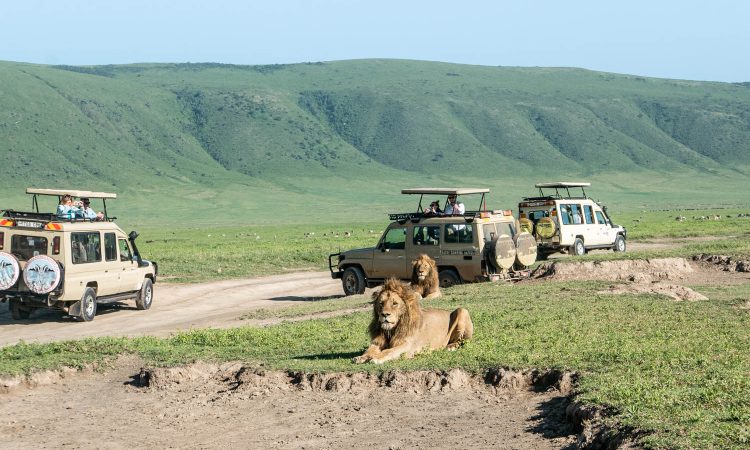
1-Day Ngorongoro Crater Safari
Ngorongoro Crater·1 day
Big Five
Perfect for couples & solo travellers
From
$337.00pp
1 day

Northern Circuit · Tanzania
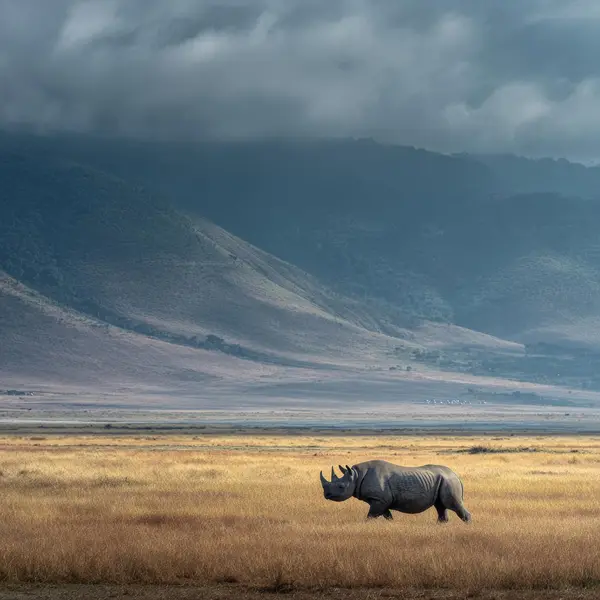
The world's largest intact volcanic caldera, home to lion, black rhino and vast herds on a crater floor 600 metres below the rim — the heart of every northern Tanzania safari.
Overview
Ngorongoro Crater is a collapsed volcano about 20 kilometres across, with a crater floor of grassland, soda lake and fever-tree forest that holds one of the densest concentrations of wildlife in Africa. Because water and grazing are available all year, the animals stay — lion, elephant, buffalo, zebra, wildebeest, hyena and some of Tanzania's last wild black rhino.
It sits at the centre of the Ngorongoro Conservation Area, a UNESCO World Heritage Site shared by wildlife and Maasai herders, directly on the road between Arusha and the Serengeti. That makes it a natural part of almost every northern circuit safari, whether for a single game drive or as a base for Olduvai Gorge, Empakaai Crater and Lake Eyasi.
Country
Tanzania
Circuit
Northern Circuit
The travel guide
Last reviewed October 2026
Ngorongoro Crater at a glance
Ngorongoro is the place where a safari suddenly makes sense. You drive up through cloud forest to the rim, look down into a bowl of grassland, lake and forest the size of a small city, and then descend into it. Within an hour you can see lion, elephant, buffalo, zebra, wildebeest, hyena, hippo and, with patience, black rhino — all against walls that rise 600 metres around you.
The crater floor is only around 260 square kilometres, but because water and grazing are available all year, wildlife does not need to migrate out. That is what makes it extraordinary, and it is also why it is busy: the crater is one of the most visited places on the northern circuit. Our guides plan the day around that, not against it.
The crater is the heart of the much larger Ngorongoro Conservation Area, a UNESCO World Heritage Site where Maasai communities still live and graze their cattle alongside wildlife. It sits directly between Arusha and the Serengeti, so almost every northern Tanzania safari passes through it.
Field Notes
The best hour in the crater is the first one. We aim to be at the descent gate as it opens at 6am, so you reach the floor while the light is soft, the lions are still active and most vehicles are only just leaving their lodges.
Expect large herds of zebra, wildebeest, buffalo and gazelle on the open grassland, and some of Tanzania's most visible lions, which hunt in the open with little cover. Spotted hyena, golden jackal and serval are regular sightings. Old bull elephants with huge tusks favour the Lerai fever-tree forest, while hippo spend the day in the pools near the picnic sites.
Black rhino are the crater's most precious residents. Around 30 live here under constant ranger protection, usually seen at a distance on the open plains, so binoculars make a real difference. Lake Magadi, the shallow soda lake on the crater floor, often holds flamingos, depending on water levels.
What you will not find are giraffe or large numbers of impala and topi — the steep walls keep them out. For those, pair the crater with Tarangire or the Serengeti.
Did You Know?
Despite its name, Ngorongoro is not technically a crater. It is a caldera: a volcano that collapsed in on itself after an eruption around two to three million years ago, leaving the near-perfect bowl you see today.
| Months | Season | Conditions | Why go |
|---|---|---|---|
| June – October | Dry season | Clear skies, cold early mornings on the rim | Easy game viewing on short grass; the most popular months |
| November – December | Short rains | Brief afternoon showers, landscape turns green | Fewer vehicles, fresh grazing, lovely light |
| January – March | Green season | Warm days, mostly dry spells | Newborn animals and a quieter crater; pairs well with the southern Serengeti calving |
| April – May | Long rains | Heaviest rain, some muddy tracks | The quietest time and best lodge rates; wildlife stays on the floor |
Months
June – October
Months
November – December
Months
January – March
Months
April – May
Guide's Tip
Pack a warm layer whatever the month. The rim sits at around 2,300 metres, and mornings can be genuinely cold even in the dry season — most guests are surprised by it.
All visits to the crater floor are by 4x4 with a licensed guide; there is no walking on the floor itself. Vehicles go down by the Seneto or Lemala roads and come back up by the Lerai or Lemala roads. The descent gates open at 6am, the last entry is at 4pm, and every vehicle must be out by 6pm. In practice, a crater game drive lasts around six hours, with a picnic lunch on the floor.
Because sightings draw vehicles together, how your guide moves through the day matters as much as where you go. Our guides know which roads empty out at which hours, when to wait at a sighting and when to move on. For a shorter visit, our Ngorongoro Crater day safari runs from Arusha or Karatu.
The wider conservation area rewards an extra day. Olduvai (Oldupai) Gorge, on the road to the Serengeti, is one of the most important fossil sites in the world for understanding human origins, with a small, well-presented museum. Empakaai Crater, further north, is a lake-filled caldera you can walk down into with a ranger — often with no one else around. Visits to Maasai communities can also be arranged, and we arrange these respectfully, with the community's agreement.
Many guests also combine the crater with a morning at Lake Eyasi, home to the Hadzabe and Datoga peoples, or a stop at Lake Manyara on the way from Arusha.
You have two good choices. Lodges on the crater rim put you closest to the descent road and offer remarkable views over the caldera at sunrise and sunset. Lodges around Karatu, in the farmland below the conservation area, are warmer, quieter and often better value, about 30–45 minutes from the gate.
One night is enough for the crater itself. Two nights let you add Olduvai, Empakaai or Lake Eyasi without rushing. Ngorongoro features in most of our northern circuit itineraries, including the 10-Day Classic Tanzania Safari, the 9-Day Luxury Safari and the shorter 5-Day Tanzania Safari & Zanzibar. If you are starting from the coast, the 3-Day Safari from Zanzibar flies you in for the crater.
Every Emnel safari is private, so your crater day is built around your pace. Tell us your dates and we will suggest the right route and lodge for the season.
Safaris
Private itineraries that visit Ngorongoro Crater or spend a night at one of its lodges.
Popular safaris
Tanzania·Essential·10 days, 9 nights
Perfect for honeymoon & couples
From
$3,150.00pp
10 days, 9 nights
Tanzania·Essential·10 days, 9 nights
Perfect for couples & families
From
$3,850.00pp
10 days, 9 nights
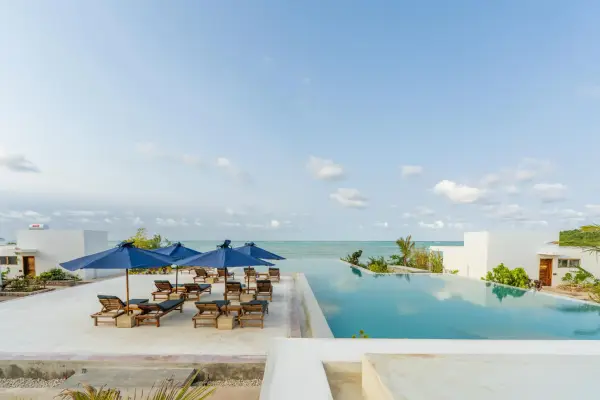
Tanzania·Essential·7 days, 6 nights
Perfect for couples & families
From
$2,450.00pp
7 days, 6 nights
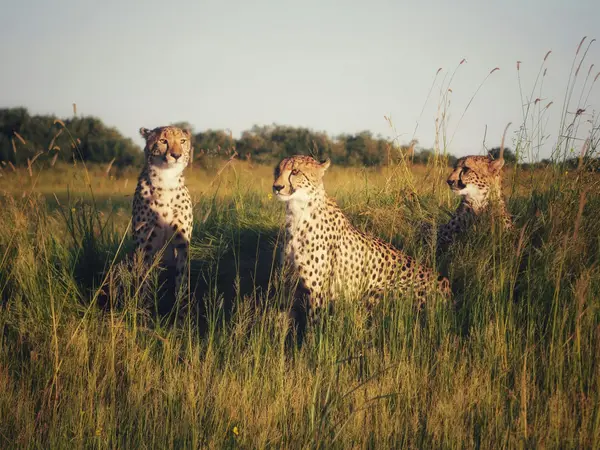
Tanzania·signature·10 days, 9 nights
Perfect for couples & families
From
$4,375.00pp
10 days, 9 nights
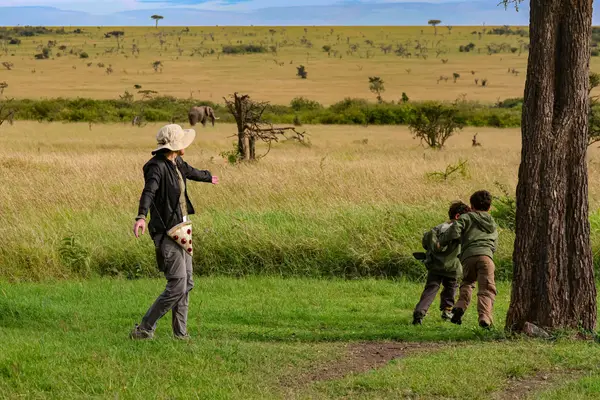
Tanzania·signature·8 days, 7 nights
Perfect for families & multi-gen families
From
$4,900.00pp
8 days, 7 nights
Where to stay
Accommodation our specialists recommend and book — chosen for location, comfort and value.
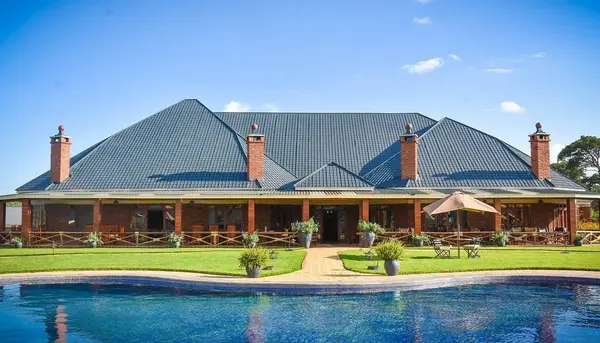
Classic · Lodge
Ngorongoro Crater
Marera Valley Lodge is a comfortable safari lodge near Karatu, Tanzania, set among landscaped gardens with views across the surrounding countryside. Its cottage-style…
Good to know
Honest, specific answers to the questions we're asked most about this destination.
General
Ngorongoro is good year-round, because wildlife stays on the crater floor all year. June to October brings dry, clear days and easy viewing, but more vehicles. November to March is greener and quieter, with newborn animals. April and May are the wettest and quietest months, with the best lodge rates.
No. They are adjoining but separately governed areas — the Serengeti is a national park with no permanent human habitation, while Ngorongoro is a multiple land-use conservation area where Maasai communities live alongside protected wildlife. Most itineraries combine both.
The crater floor covers roughly 260 square kilometres; the wider conservation area spans about 8,292 square kilometres.
For most itineraries, yes — the crater's reliability means a single well-timed descent typically delivers a strong Big Five day. An extra night is worth adding only if the highland walks or Olduvai Gorge specifically interest you.
Yes, though this is currently the subject of active, contested government relocation plans — covered honestly in Part 11 of this guide rather than glossed over here.
Wildlife
Lion, elephant and buffalo are realistic expectations on most descents. Black rhino is a genuine possibility here — better odds than almost anywhere else in Tanzania — but still a rarity, not a guarantee. Leopard is present but rarely seen on the crater floor itself.
It can be, particularly at popular sightings during the July–September dry season and around the holidays. The floor's single access road and modest size mean vehicles concentrate more than they do across the Serengeti's open plains — a genuine trade-off for the crater's reliability, and one worth knowing beforehand.
The Ndutu plains, where the migration calves between December and March, sit within Ngorongoro's boundary even though they read as part of the Serengeti ecosystem — so yes, a Ngorongoro-based itinerary can reach this without changing parks.
The crater's steep walls and narrow descent tracks make the climb impractical for an animal built the way a giraffe is — one of the more distinctive quirks of the crater's closed geography.
Planning & Cost
Foreign visitors currently pay USD 70.80 per adult per 24 hours in conservation area fees, plus a separate USD 295 per-vehicle fee to descend onto the crater floor. Both are built into an Emnel quote rather than added later.
Most itineraries drive, since Ngorongoro typically sits between other stops — Arusha, the Serengeti, Tarangire — on a single road route via Karatu. Flying is possible (around 45 minutes from Arusha) but less common here than for the Serengeti.
Rim lodges near the descent road sell out during the August–September peak and the Christmas/New Year period; six months ahead is sensible for those dates, less critical outside them.
Yes — every Emnel itinerary is custom, and Ngorongoro is almost always planned as part of a wider circuit rather than a standalone trip.
Practical & Combining Destinations
The floor itself is mild by day; the rim, where all the lodges sit, is genuinely cold at night — often near freezing at altitude, regardless of season elsewhere in Tanzania. Pack warm layers.
Yes, particularly for guests with any interest in archaeology or human origins — it adds real depth to a trip otherwise focused on wildlife, and sits directly on the road between the crater and the southern Serengeti.
Yes — this is one of the most common and efficient northern-circuit combinations, since all three sit within a few hours' drive of each other and Arusha.
This is a fair question, and there's no single right answer. Visiting responsibly — choosing operators who work directly and transparently with local communities, and asking specific questions about how tourism revenue is shared — is, in our view, more useful than avoiding the area altogether. We're happy to talk through this in more detail before you book.
Keep exploring
Other places our local experts know and love across the region.
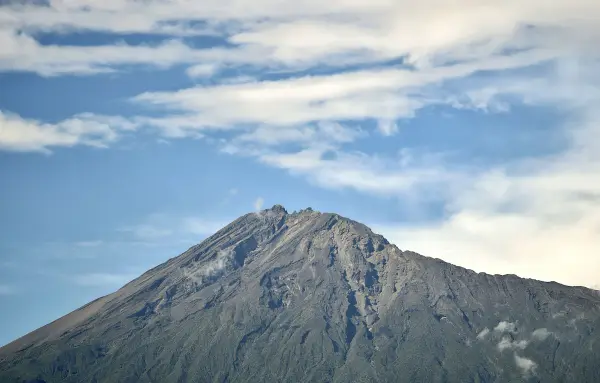
Arusha · Tanzania
Arusha is the gateway to northern Tanzania's safari circuit, set beneath Mount Meru and close to Arusha National Park. It is a natural starting point for private safaris, Kilimanjaro journeys and carefully planned Tanzania…
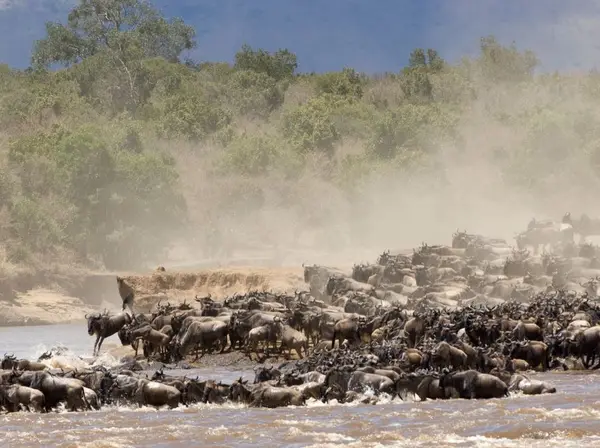
East Africa · Tanzania
Serengeti National Park is Tanzania's legendary wildlife destination, famous for the Great Wildebeest Migration, exceptional big-cat sightings and vast open plains. Explore the Serengeti on a private safari designed around the…
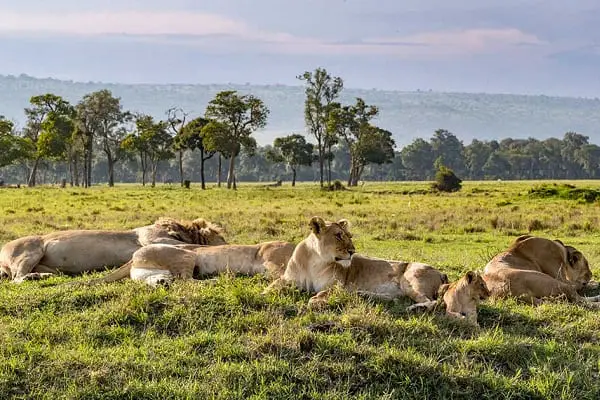
East Africa · Tanzania
Tanzania is Africa's most complete safari country — the Serengeti and the Great Migration, the Ngorongoro Crater, Tarangire's elephants, the wild southern parks and Zanzibar's coast. Every Emnel safari here is private, and…
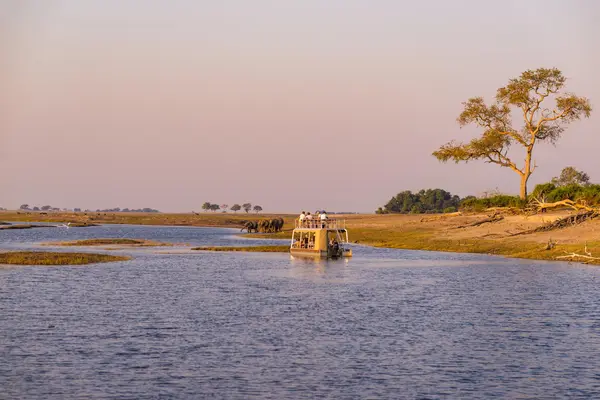
Northern Circuit · Tanzania
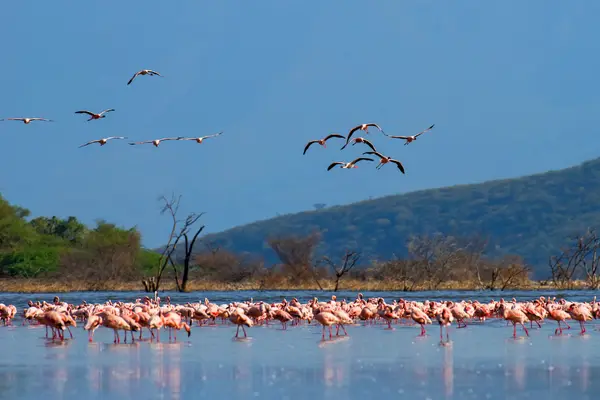
A remote Rift Valley soda lake near Ngorongoro and home to the Hadzabe hunter-gatherers and Datoga pastoralists — a deeply human counterpoint to the game drives of the north.
Northern Circuit · Tanzania
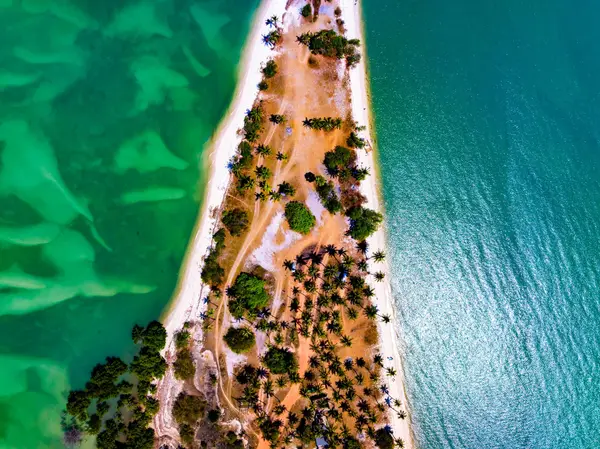
A compact Rift Valley park of groundwater forest, elephants, baboons and birdlife, famous for its tree-climbing lions — an easy first game drive on the road from Arusha to Ngorongoro.
Coast & Islands · Tanzania
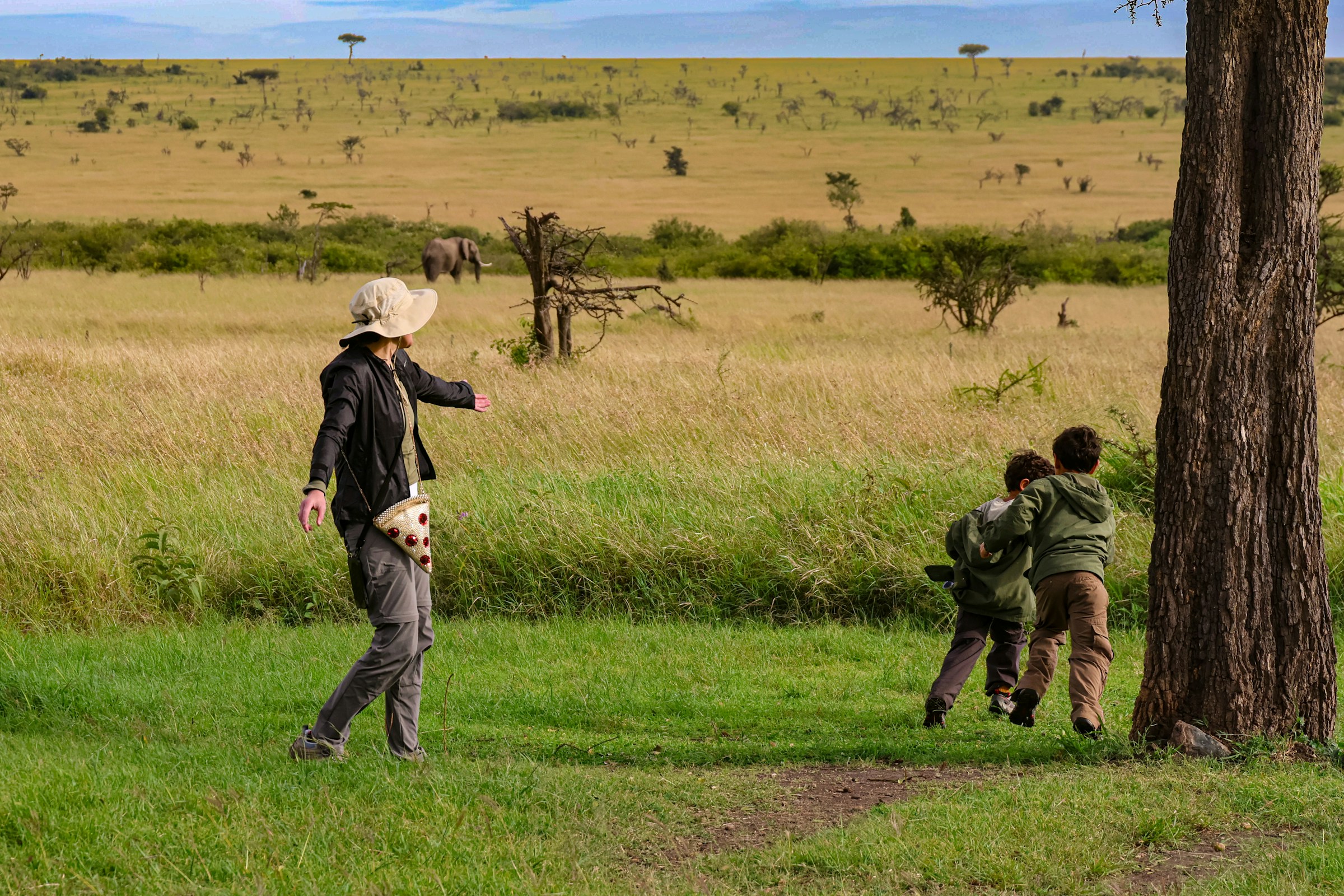
Tanzania's first marine park — a whale-shark stronghold, world-class diving on untouched reefs, and the quietest, most unhurried of the archipelago's islands.
Start planning
Tell us what you have in mind and a local expert will craft a tailored plan — no payment needed to start.