Recommended
Tanzania 10-Day Tanzania Honeymoon Safari & Zanzibar
Tanzania·Essential·10 days, 9 nights
Beach extension Honeymoon
Perfect for honeymoon & couples
From
$3,150.00pp
10 days, 9 nights

Northern Circuit · Tanzania
A compact Rift Valley park of groundwater forest, elephants, baboons and birdlife, famous for its tree-climbing lions — an easy first game drive on the road from Arusha to Ngorongoro.
Overview
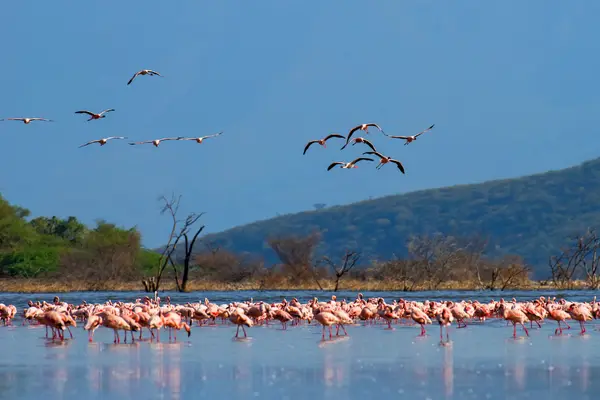
Lake Manyara National Park lies at the foot of the Great Rift Valley escarpment, about two hours from Arusha. In a short drive, the park moves from lush groundwater forest to acacia woodland, open grassland and the shore of a shallow soda lake, home to elephants, large baboon troops, hippo and, at times, flamingos.
Best known for its reputation for tree-climbing lions and its remarkable birdlife, Manyara is an ideal first afternoon of a northern Tanzania safari, and sits directly on the route to Tarangire, the Ngorongoro Crater and the Serengeti.
Country
Tanzania
Circuit
Northern Circuit
The travel guide
Last reviewed October 2026
Lake Manyara at a glance
Lake Manyara is a compact, varied park squeezed between the wall of the Great Rift Valley and a shallow soda lake. In a single morning you drive from a lush groundwater forest, fed by springs from the escarpment, through acacia woodland to open grassland and the lake shore. For its size, few parks pack in as many landscapes.
It is rarely anyone's main reason to come to Tanzania, but it is a beautiful first game drive of a safari, and it sits directly on the road between Arusha, Tarangire and the Ngorongoro Crater, so it fits naturally into a northern circuit route.
Elephants move through the forest and woodland, often surprisingly close to the road. Large troops of olive baboons are a constant presence, along with blue monkeys in the forest canopy, giraffe, buffalo, zebra, wildebeest, impala and a busy hippo pool near the lake's northern shore.
Manyara is famous for its tree-climbing lions, which rest in the branches of acacia and mahogany trees. Sightings are genuinely unpredictable, so we treat them as a wonderful bonus rather than a promise.
The birdlife is outstanding, with hundreds of recorded species. Depending on water levels, the lake can be fringed with flamingos and pelicans, while hornbills, kingfishers and raptors are common throughout the park.
Field Notes
We like Manyara best as a gentle first afternoon after arriving from Arusha. The drive is short, the forest is cool, and it eases guests into safari rhythm before the bigger days in Tarangire and the crater.
| Months | Season | Conditions | Why go |
|---|---|---|---|
| June – October | Dry season | Dry, clear and dusty | Animals gather near water; easiest game viewing |
| November – December | Short rains | Brief showers, green landscape | Fewer vehicles and migrant birds arrive |
| January – March | Green season | Warm, generally dry spells | Excellent birding and lush scenery |
| April – May | Long rains | Heavy rain, some tracks muddy | Quiet park and the best lodge rates |
Months
June – October
Months
November – December
Months
January – March
Months
April – May
Manyara offers more than a vehicle-based visit. A treetop canopy walkway through the groundwater forest gives a bird's-eye view of the forest and its monkeys. Just outside the park, the busy market town of Mto wa Mbu is a good place for a guided village walk, local food and a glimpse of everyday life in a community where many of Tanzania's ethnic groups live side by side.
From the escarpment above the park, the view down over the lake and the Rift Valley floor is one of the finest in northern Tanzania, especially in late afternoon light.
Did You Know?
The groundwater forest that greets you at Manyara's entrance survives without much rain: it is fed by springs that seep out from the base of the Rift Valley escarpment all year round.
Most guests visit Manyara for a half or full day, staying either on the escarpment above the park, with sweeping views over the lake, or around Karatu, which also places you well for the Ngorongoro Crater the next morning. A morning at Lake Eyasi is easy to add from there.
Manyara works best as part of a wider northern circuit safari, alongside Tarangire, the crater and the Serengeti. Browse our private safaris or tell us your dates, and we will tell you honestly whether Manyara earns a place on your route.
Safaris
Our most-travelled private safaris — any of them can be shaped to include Lake Manyara.
Tanzania·Essential·10 days, 9 nights
Perfect for honeymoon & couples
From
$3,150.00pp
10 days, 9 nights
Tanzania·Essential·10 days, 9 nights
Perfect for couples & families
From
$3,850.00pp
10 days, 9 nights
Tanzania·Essential·7 days, 6 nights
Perfect for couples & families
From
$2,450.00pp
7 days, 6 nights
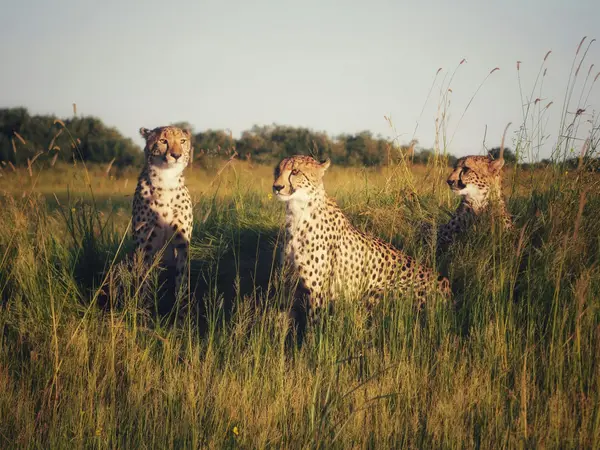
Tanzania·signature·10 days, 9 nights
Perfect for couples & families
From
$4,375.00pp
10 days, 9 nights
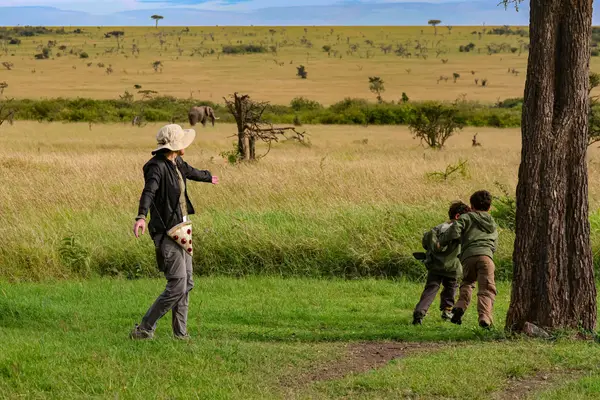
Tanzania·signature·8 days, 7 nights
Perfect for families & multi-gen families
From
$4,900.00pp
8 days, 7 nights
Good to know
Honest, specific answers to the questions we're asked most about this destination.
General
June to October suits general game viewing, with dry roads and animals near water. November to April is greener and best for birdlife, when migrant species arrive and, depending on water levels, flamingos may gather. April and May are the wettest months.
Approximately 325 km², around two-thirds of which is the lake itself — one of the smallest parks on the northern Tanzania circuit.
Yes, genuinely. Manyara is the one park in this guide series where a single well-planned day, or one night, is the honest, sufficient answer rather than an underselling of the place.
Not a World Heritage Site, though the lake and surrounding area are recognised as a UNESCO Biosphere Reserve.
Roughly 1.5 to 2 hours by road, typically along the same route used to reach Tarangire or continue to Ngorongoro.
Wildlife
No — the behaviour is genuine but unpredictable, and no honest guide can guarantee it on a given day. It's realistic to hope for, not to plan an itinerary entirely around.
A healthy population for the park's size, though nowhere near Tarangire's scale — worth knowing if elephant numbers specifically are the priority.
Often, particularly from March to June when water levels tend to be higher, though numbers vary considerably from year to year with lake conditions.
Yes — over 400 recorded species in a compact area, with the groundwater forest and canopy walkway among the better short birding stops on the whole circuit.
Planning & Cost
Foreign visitors currently pay around USD 54 per adult per 24 hours in park fees, plus a concession fee of roughly USD 47.20 per adult per night for guests staying inside the park — though most visits are day trips, so this rarely applies.
When water levels permit, yes — a guided canoe safari from the Endala picnic site, typically around two and a half hours. Availability depends on current lake conditions.
Yes, with prior TANAPA authorisation — one of only a few Tanzanian national parks where this is possible.
Combining Destinations
Yes — one of the most common and efficient combinations on the northern circuit, given the short drive between the two.
Yes, particularly as a half-day or full-day stop, since the main road between Arusha and Ngorongoro passes directly by the park entrance.
Yes — it pairs naturally with a park visit, either before entering or as a separate half-day, and adds a genuine cultural dimension most itineraries skip.
Keep exploring
Other places our local experts know and love across the region.
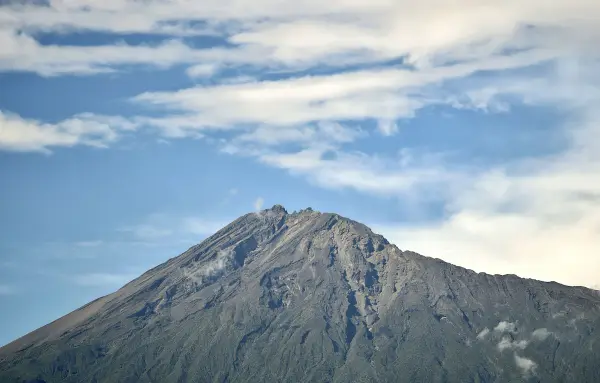
Arusha · Tanzania
Arusha is the gateway to northern Tanzania's safari circuit, set beneath Mount Meru and close to Arusha National Park. It is a natural starting point for private safaris, Kilimanjaro journeys and carefully planned Tanzania…
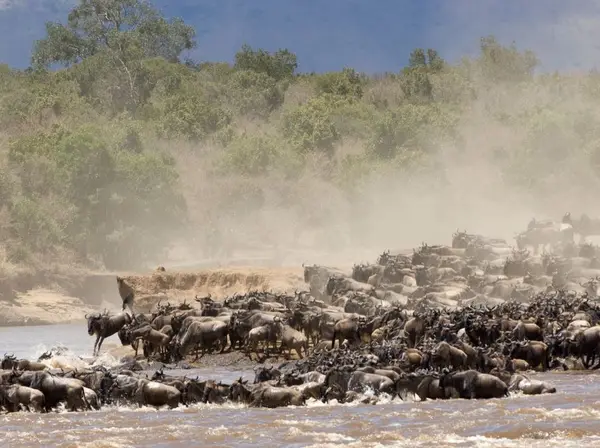
East Africa · Tanzania
Serengeti National Park is Tanzania's legendary wildlife destination, famous for the Great Wildebeest Migration, exceptional big-cat sightings and vast open plains. Explore the Serengeti on a private safari designed around the…
East Africa · Tanzania
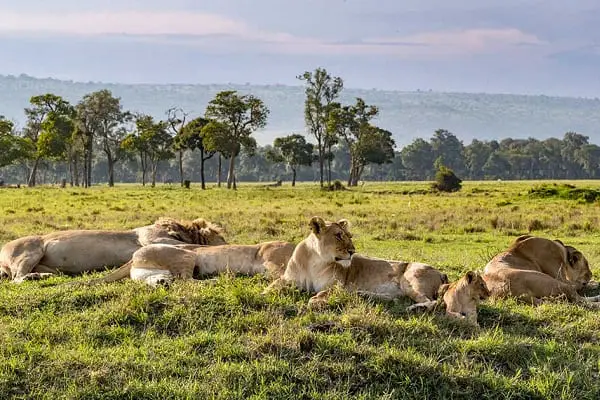
Tanzania is Africa's most complete safari country — the Serengeti and the Great Migration, the Ngorongoro Crater, Tarangire's elephants, the wild southern parks and Zanzibar's coast. Every Emnel safari here is private, and…
Northern Circuit · Tanzania
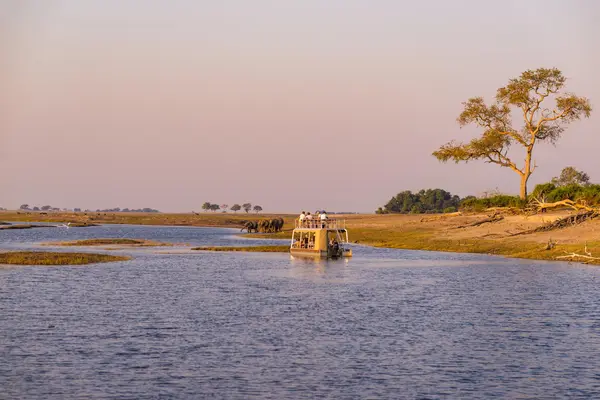
A remote Rift Valley soda lake near Ngorongoro and home to the Hadzabe hunter-gatherers and Datoga pastoralists — a deeply human counterpoint to the game drives of the north.
Coast & Islands · Tanzania
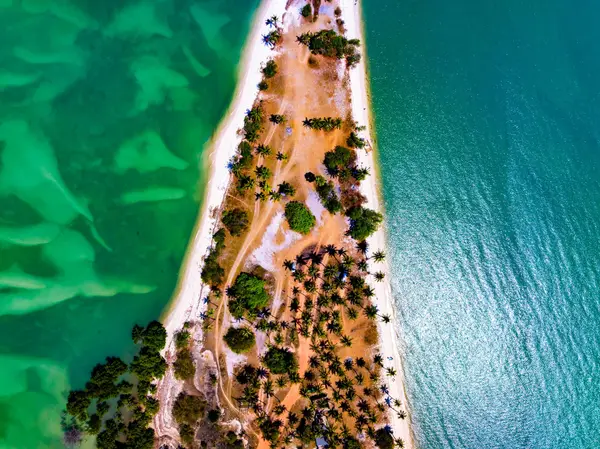
Tanzania's first marine park — a whale-shark stronghold, world-class diving on untouched reefs, and the quietest, most unhurried of the archipelago's islands.
Southern Circuit · Tanzania
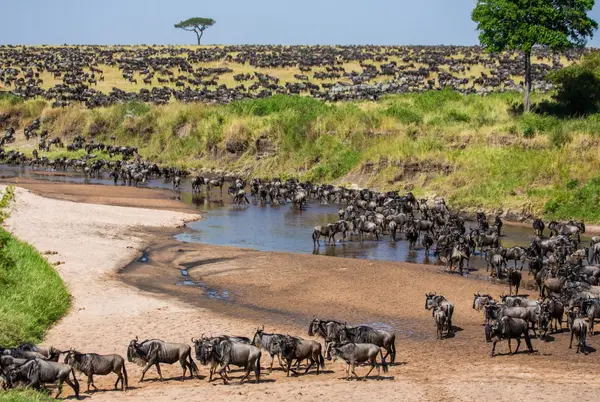
Southern Tanzania's most accessible safari: open floodplains with lions, elephants, giraffe and hippo pools, within reach of Dar es Salaam and Zanzibar.
Start planning
Tell us what you have in mind and a local expert will craft a tailored plan — no payment needed to start.