
Nelson Laizer, Founder & Travel Designer
The Best Time for a Tanzania Safari: A Month-by-Month Guide (2026–27)
When is the best time for a Tanzania safari? A month-by-month guide to weather, wildlife, crowds and prices, plus the best time for each park, families, honeymoons and Zanzibar.
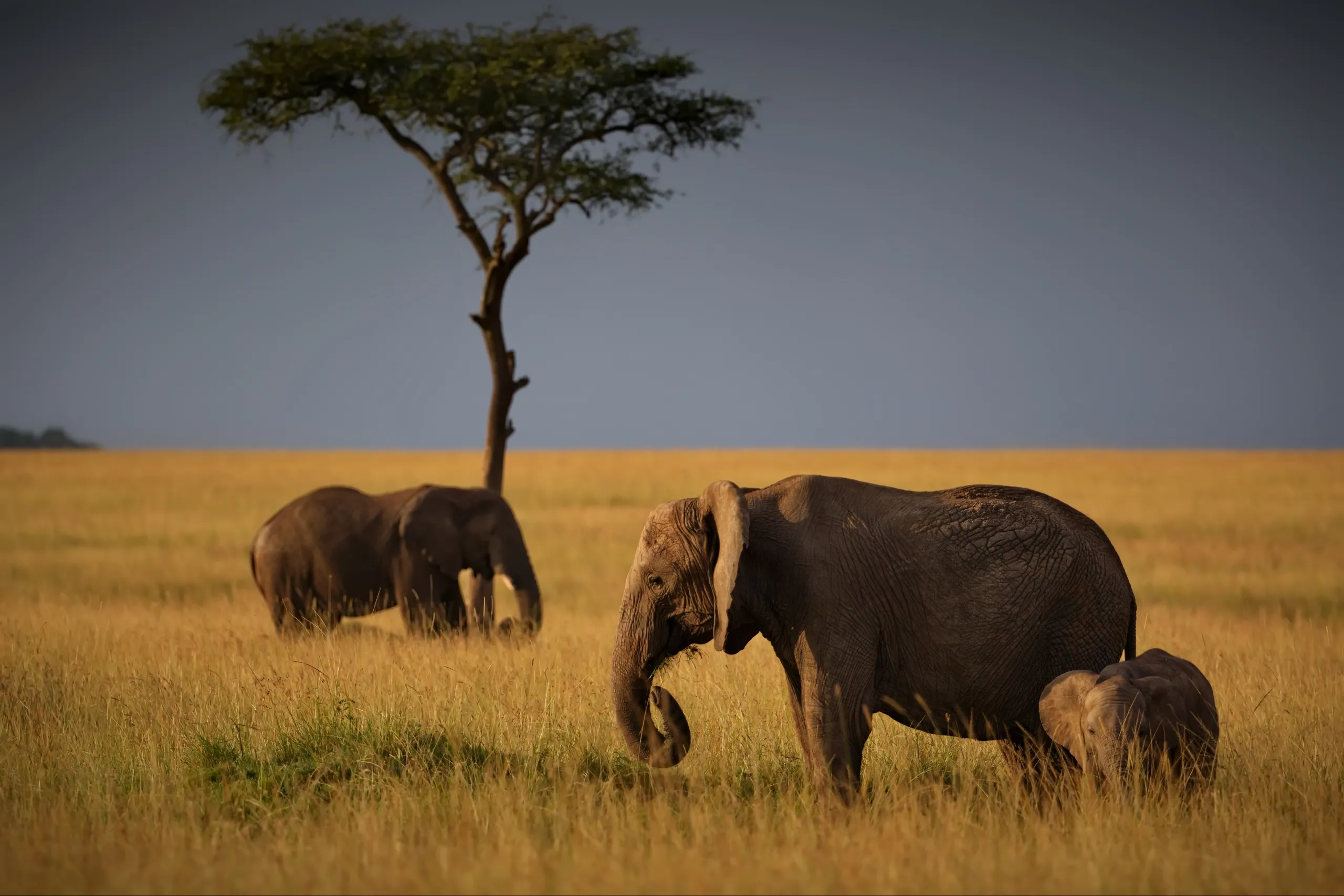
Reviewed November 2026 by the Emnel team in Arusha.
The short answer: The best time for a Tanzania safari is the dry season from late June to October, when animals gather around water, the bush thins out and the Great Migration crosses the Mara River in the northern Serengeti. Late January to February is usually the peak of the calving season on the southern Serengeti plains, though the timing shifts with the rains. For lower prices, fewer vehicles and green landscapes, travel in November, early December or March. April and May bring the long rains, the quietest parks and the lowest rates.
In truth there is no bad month for a safari in Tanzania, only months that suit different travellers. The right time for you depends on what you most want to see, which parks you visit, whether you are adding Zanzibar, and when you can travel. This guide walks through the year month by month, park by park and traveller by traveller, the way our team does when we plan a journey with you.
Tanzania's safari seasons at a glance
Northern Tanzania has two dry seasons and two rainy seasons. Rain usually falls as heavy afternoon showers rather than all-day downpours, except in April, the wettest month.
Season | Months | Weather | Wildlife | Prices and crowds |
|---|---|---|---|---|
Long dry season | Late June to October | Dry, sunny days, cool mornings and evenings | The best game viewing across every park; Mara River crossings | Peak prices; busiest parks |
Short rains | November to mid-December | Short afternoon showers, green landscapes | Herds move back south; migratory birds arrive | Lower prices; quiet parks |
Short dry season | Mid-December to February | Warm, green and mostly dry | Calving season in the southern Serengeti; predator action | Peak over Christmas and in February |
Long rains | Mid-March to May | The heaviest rain, especially in April | Lush, quiet and beautiful; some camps close | The lowest prices; very few vehicles |
Not sure which month suits you? Tell us your dates and what matters most to you, and our team in Arusha will suggest the parks, camps and route that fit. We reply within 24 hours. Plan my safari
The best time for a Tanzania safari, month by month
Every month has something to offer and something to weigh up. This table shows both, along with where in the Serengeti our team usually focuses at that time of year.
Month | Weather | Highlights | Main trade-off | Where we usually focus | Price level |
|---|---|---|---|---|---|
January | Warm, mostly dry | Herds on the southern plains, calving begins | Camps near the herds fill early | Ndutu and the southern Serengeti | High |
February | Warm, mostly dry | Peak calving, big cats hunting | Busy around Ndutu; hot by midday | Ndutu and the southern Serengeti | High |
March | Rains begin | Late calving, green landscapes | Rain and muddy tracks become more likely | Southern and central Serengeti | Moderate |
April | Wettest month | Lush scenery, birdlife, solitude | Heavy rain, some camps closed, difficult roads | Central Serengeti, Ngorongoro, Tarangire | Lowest |
May | Rains easing | Herds gather in the central Serengeti | Long grass can hide animals; some camps still closed | Central Serengeti | Low |
June | Dry season begins | Herds move west, wildebeest rut | Herd position varies; popular areas getting busier | Central Serengeti and the Western Corridor | Moderate to high |
July | Dry, cool mornings | River crossings begin, excellent game everywhere | High demand; crossings are never guaranteed | Northern Serengeti | Peak |
August | Dry, cool mornings | River crossings, elephants in Tarangire | The busiest month; book well ahead | Northern Serengeti | Peak |
September | Dry, warm days | River crossings, superb game viewing | Dust and high demand | Northern Serengeti | Peak |
October | Dry, hot by midday | Herds in the north, concentrated wildlife | Heat and dust; herds may start moving | Northern Serengeti | High |
November | Short rains | Herds begin moving south, migratory birds arrive | Afternoon showers; herd timing follows the rain | Central Serengeti | Moderate |
December | Short rains easing | Herds arrive on the southern plains | Christmas week books out early | Southern and central Serengeti | Moderate, peak at Christmas |
The best month for your priority
If your priority is… | Best months | Why |
|---|---|---|
Classic dry-season game viewing | Late June to October | Animals concentrate around water and the bush is thinner. |
Mara River crossings | July to October | The herds are generally in the northern Serengeti, though crossings depend on the weather and the herds. |
Calving and predator action | Late January to February | The herds gather on the short-grass plains of Ndutu and the southern Serengeti. |
Fewer vehicles and good value | November, early December and March | Green landscapes and lower demand, with good wildlife. |
The lowest daily rates | April and May | The quietest time of year, with rain, mud and some camp closures. |
Birdwatching | November to April | Migratory birds from Europe and Asia join Tanzania's resident species. |
Photography | November to March, or July to October | Green backdrops and clear air, or golden light and river action. |
Family travel | July and August, Christmas, February half-term | The dry seasons line up with the school holidays. |
Safari and Zanzibar | June to October, or late December to February | The best safari and beach weather fall at the same time. |
Safari and Kilimanjaro | January to early March, or late June to October | The driest windows on the mountain and in the parks. |
Where we would route you, month by month
When you travel shapes your route as much as which parks you choose. This is how our team typically plans a private safari in four different months.
February: calving on the southern plains
We usually begin in Tarangire, spend a night in the Ngorongoro highlands with a crater descent at first light, then base you for three nights at a camp near Ndutu to stay with the herds and the predators that follow them. Many guests then fly to Zanzibar, which is hot and sunny at this time of year. For a similar shape, see the 7-Day Serengeti Safari & Zanzibar.
June: towards the Western Corridor
After Tarangire and Ngorongoro, we spend time in the central Serengeti and then follow the herds west towards the Grumeti River, where the wildebeest rut. With fewer vehicles than July to September, June suits a longer classic route such as the 10-Day Classic Tanzania Safari.
August: the northern Serengeti
We pair Tarangire's dry-season elephants with Ngorongoro, then fly or drive north to a camp near the Mara River for at least three nights, which gives you several chances to witness a crossing. Our Great Migration safaris are built around this route.
November: green and quiet
With the short rains, we favour Tarangire, Lake Manyara, Ngorongoro and the central Serengeti, and often add a morning with the Hadzabe at Lake Eyasi. Rates are lower, the parks are quiet and the birdlife is at its best. A 5-Day Classic Tanzania Safari works beautifully at this time.
January and February: the calving season
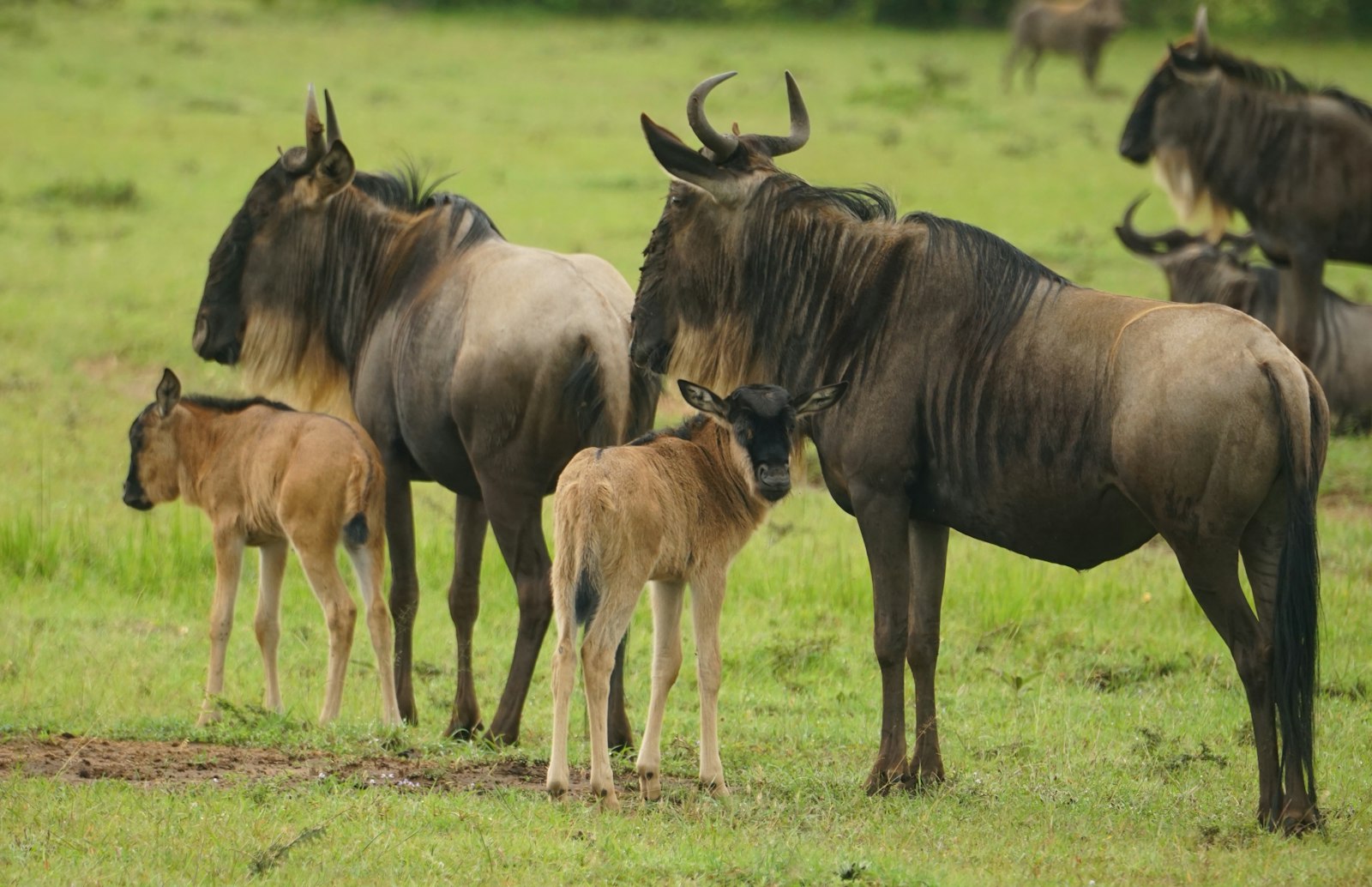
The migration herds spread across the short-grass plains of Ndutu and the southern Serengeti, where the grass is rich after the short rains. The peak of calving is typically late January to February, though the timing shifts with rainfall, and lions, cheetahs and hyenas follow closely. This is one of the most dramatic times to be in the Serengeti, and the camps close to the herds fill early. It is also a lovely time to combine safari with Zanzibar, which is hot and mostly dry.
March: the shoulder month
The long rains usually arrive during March. Calving can continue early in the month, the plains are vivid green, and the parks begin to empty. It is a good month for travellers who want the southern Serengeti's wildlife at gentler prices and can be flexible with the weather.
April and May: the long rains
April is the wettest month, with heavy rain on many days, and some seasonal camps close. In return you have the parks almost to yourself, the lowest daily rates of the year, and the Serengeti's lower park-fee season, which currently runs from 15 March to 15 May. Some higher-end camps close and roads can be muddy, so the lowest rate is not always the best-value trip. Ngorongoro Crater and Tarangire remain rewarding. By late May the rains ease and the herds gather in the central Serengeti.
June: the start of the dry season
The landscape begins to turn gold and the herds move west into the Western Corridor, where the wildebeest rut and the Grumeti River crossings begin. June offers dry-season wildlife with fewer vehicles than July to September, although the most popular areas of the Serengeti can still be busy. It is one of our favourite months to recommend.
July to September: peak dry season
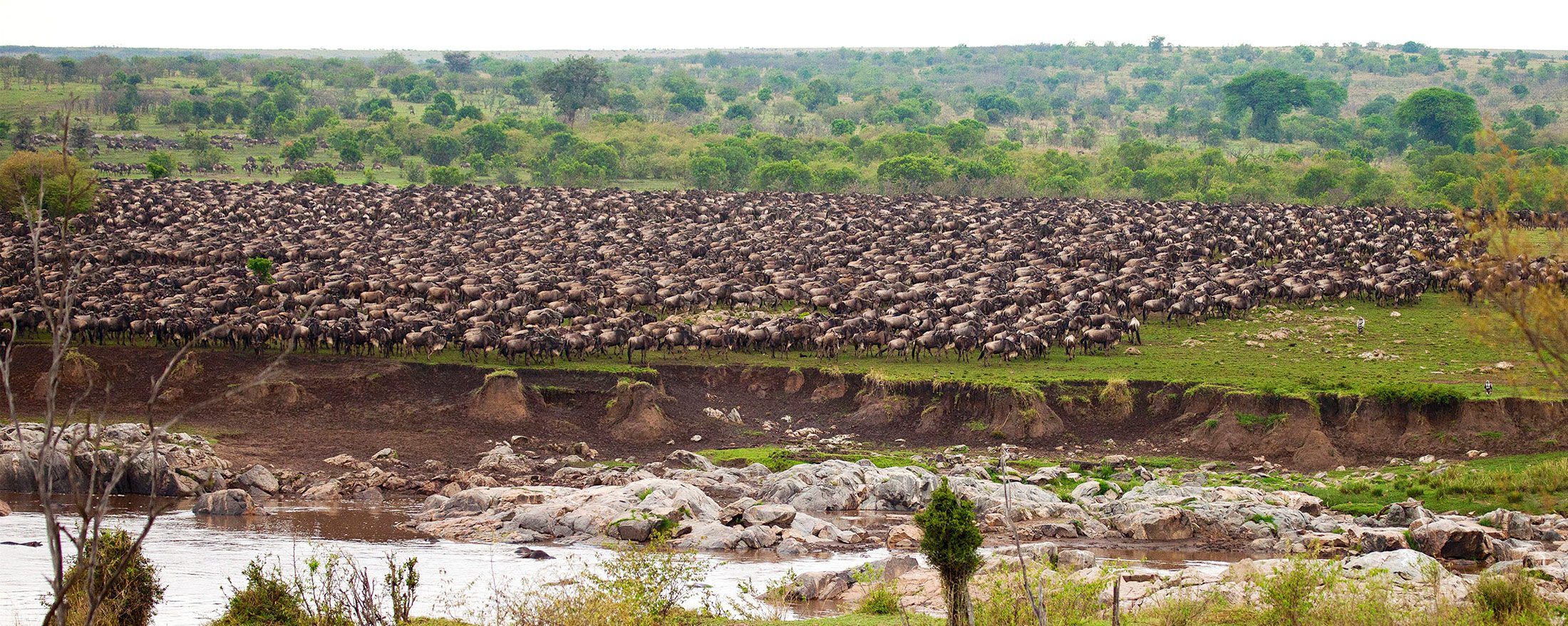
This is classic safari time. Water is scarce, so animals concentrate around rivers and swamps, and the thinning grass makes them easier to find. The migration reaches the northern Serengeti, where the Mara River crossings are the headline. Tarangire's elephants gather along the river in their hundreds. These are also the busiest and highest-priced months, so we recommend booking 9 to 12 months ahead.
October: dry, hot and rewarding
The herds are still in the north for much of the month and the crossings can continue. Wildlife stays concentrated around water, crowds begin to thin after the European summer holidays, and the light is beautiful in the early mornings.
November and December: the green season returns
The short rains bring brief afternoon showers, fresh grass and the arrival of migratory birds. The herds usually begin moving south towards the Serengeti's southern plains as the rains arrive, though they follow the rain rather than the calendar. Migratory birds from Europe and Asia stay until around April, which makes November to April the best time for birdwatching. Outside the Christmas and New Year week, these months combine good wildlife with quieter parks and better value.
The best time to visit each park
Park | Best months | Why |
|---|---|---|
All year | The right area changes with the season: the south from December to March, the west in June, the north from July to October. | |
All year | Resident wildlife all year round. In the dry season the crater is busiest, so we descend at first light. | |
June to October | The Tarangire River draws huge herds of elephants and other wildlife in the dry season. In the green season it is quieter, lush and excellent for birdlife. | |
All year | Dry season for game viewing; the green season for birdlife and waterfalls. | |
All year, easiest in the dry season | Time with the Hadzabe and Datoga communities; pairs naturally with Ngorongoro. | |
June to October | Big predators and elephants concentrate around the Great Ruaha River; some camps close in the long rains. | |
June to October | The best time for boat and walking safaris along the Rufiji River. | |
June to October and December to February | The driest, sunniest months on the coast; April and May are the wettest. |
Southern Tanzania: Ruaha and Nyerere
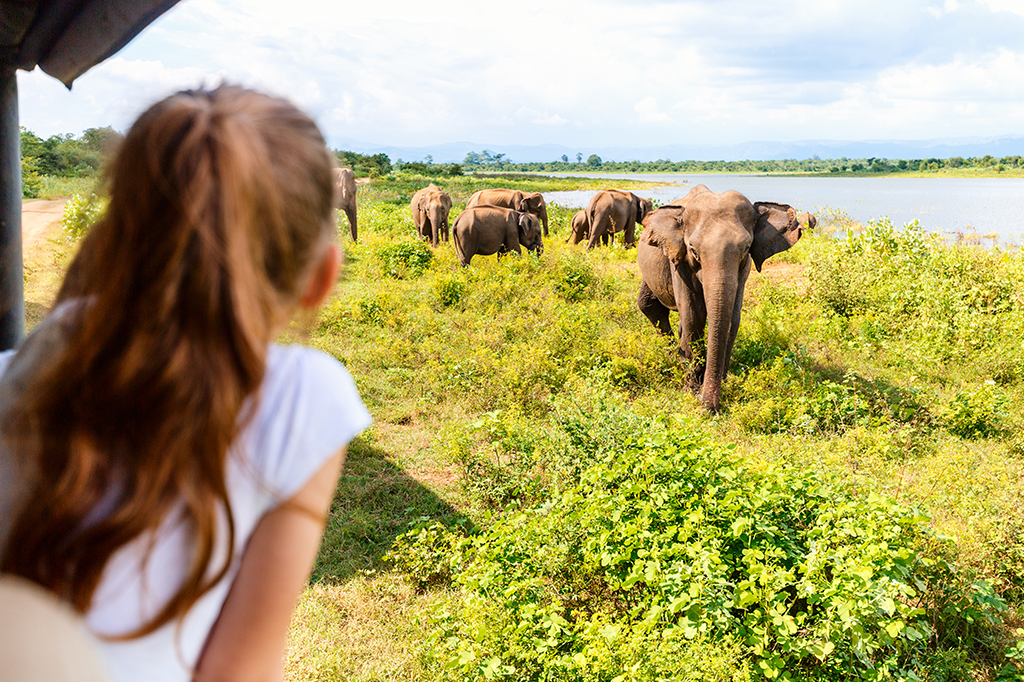
The southern parks follow a different rhythm from the north. Ruaha and Nyerere have a single rainy season, roughly from November or December to April, when the landscapes are lush, the air is hot and humid, and many camps close. They are at their best from June to October, when water is scarce and lions, wild dogs and elephants concentrate along the rivers. October is very hot. Both parks are far quieter than the northern circuit, and they combine easily with Zanzibar by light aircraft.
The best time for your kind of safari
Your first safari
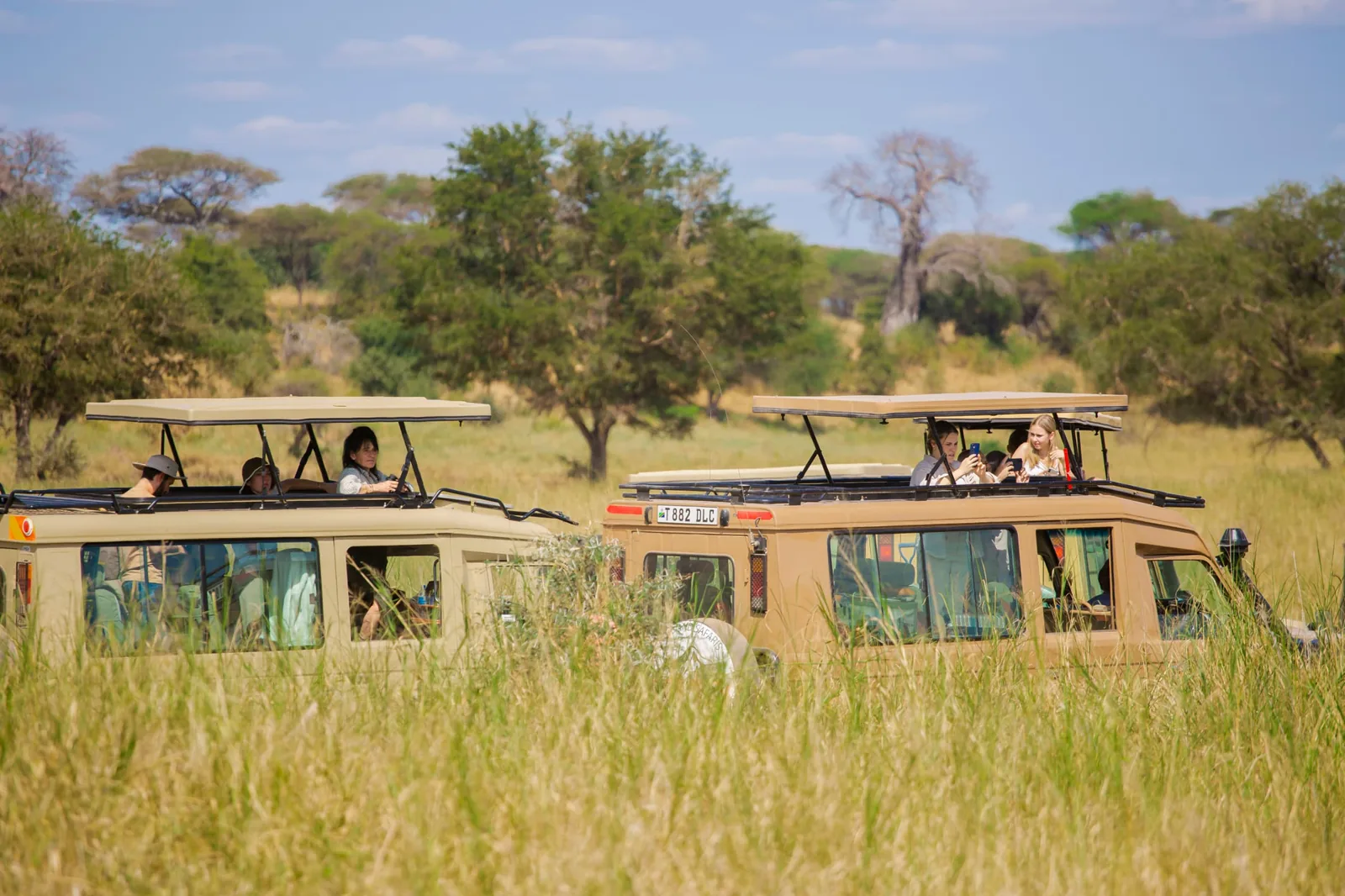
June to October gives the most reliable game viewing, especially on a classic route through Tarangire, Ngorongoro and the Serengeti. Our Classic Tanzania Safaris are designed around exactly this journey.
The Great Migration
Choose late January to February for calving and July to October for the river crossings. The herds follow the rain rather than the calendar, so our month-by-month Great Migration guide explains where they are likely to be, and our Great Migration safaris are planned around their movements.
Families
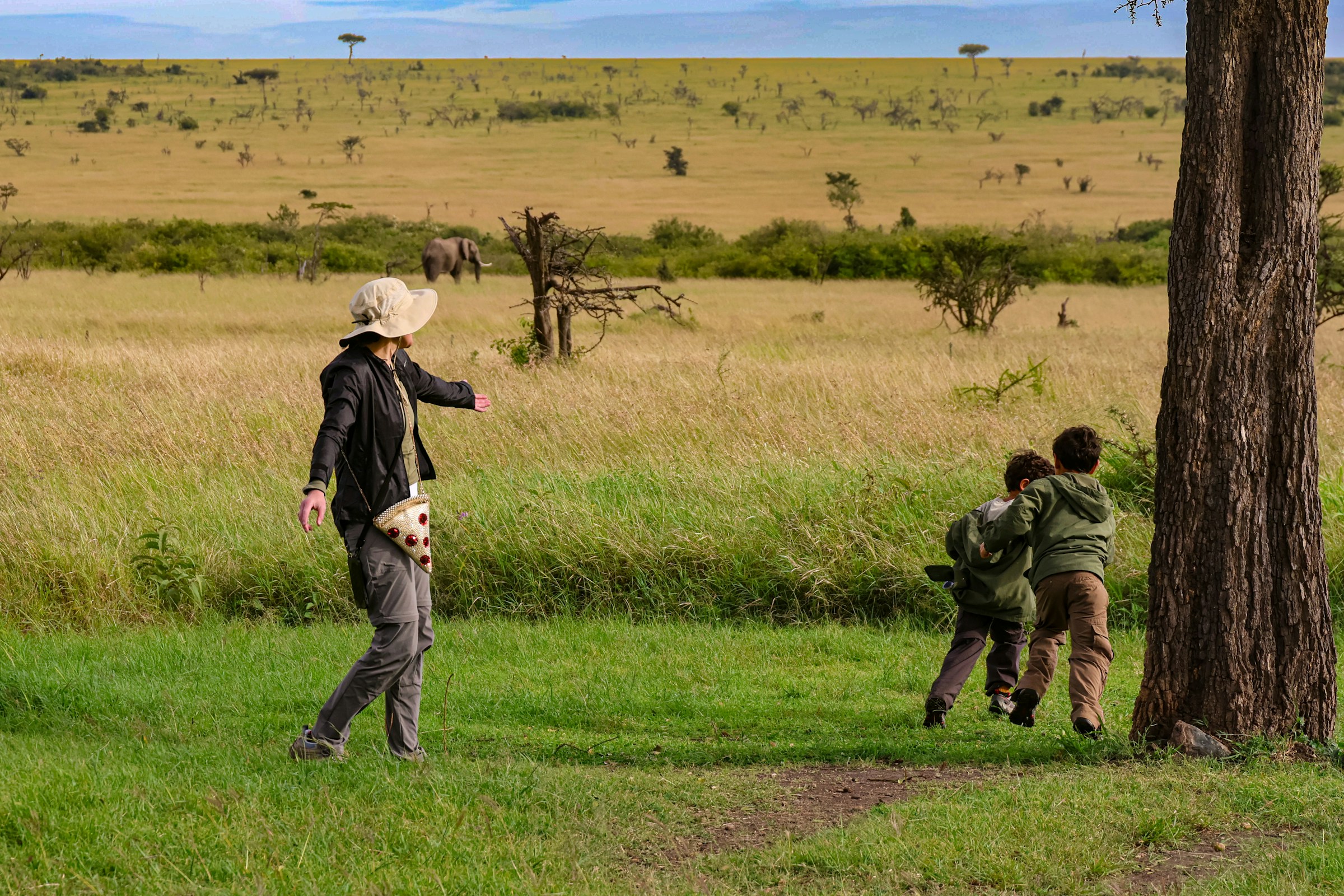
The July and August school holidays fall in the dry season, which is ideal for children because the game viewing is reliable and the evenings are cool. Christmas and February half-term are also excellent. Easter usually falls in the long rains, so we plan shorter drives and properties with space for children to play. See our family safaris and the 8-Day Tanzania Family Safari.
Honeymoons
June to October and late December to February pair the best safari weather with sunny days in Zanzibar. Explore our honeymoon safaris or the 10-Day Tanzania Honeymoon Safari & Zanzibar.
Photographers
The green season is a photographer's favourite: clean air, dramatic skies, green backdrops and newborn animals. The dry season gives you dusty golden light and action at the rivers. A private vehicle lets you stay with a sighting until the light is right.
Value
November, early December and March offer good wildlife at lower prices. April and May are the lowest-priced months of the year, if you are happy with rain.
Is the green season worth it?
For many travellers, yes. Between November and May the landscapes are at their most beautiful, the birdlife is spectacular, the parks are quiet and rates are lower. The trade-offs are rain, longer grass that can hide animals, muddier roads, and some seasonal camps closing in April and May. Our guides know which areas stay rewarding in the rain, so a green-season safari with Emnel is planned around the weather rather than in spite of it.
What the weather feels like, region by region
Altitude shapes the weather on safari as much as the season does. A light rain jacket and a warm layer are worth packing in any month.
Region | What to expect |
|---|---|
Arusha (about 1,400 m) | Mild days and cool evenings all year. |
Ngorongoro Crater rim (about 2,300 m) | Cool days and cold nights, especially from June to August. Pack a warm jacket. |
Tarangire and Lake Manyara | Warm to hot days, especially from October to March. |
Serengeti | Warm days and cool early mornings in an open vehicle; hot by midday in October. |
Ruaha and Nyerere | Hot, especially in October and November. |
Zanzibar | Hot and humid, cooled by sea breezes. |
Combining safari with Kilimanjaro
Many travellers climb Kilimanjaro before or after their safari. The best climbing months are January to early March and late June to October, which overlap neatly with the best safari seasons. April, May and November are the wettest months on the mountain. We organise Kilimanjaro climbs as well as safaris, so both can be planned as one journey.
Adding Zanzibar to your safari
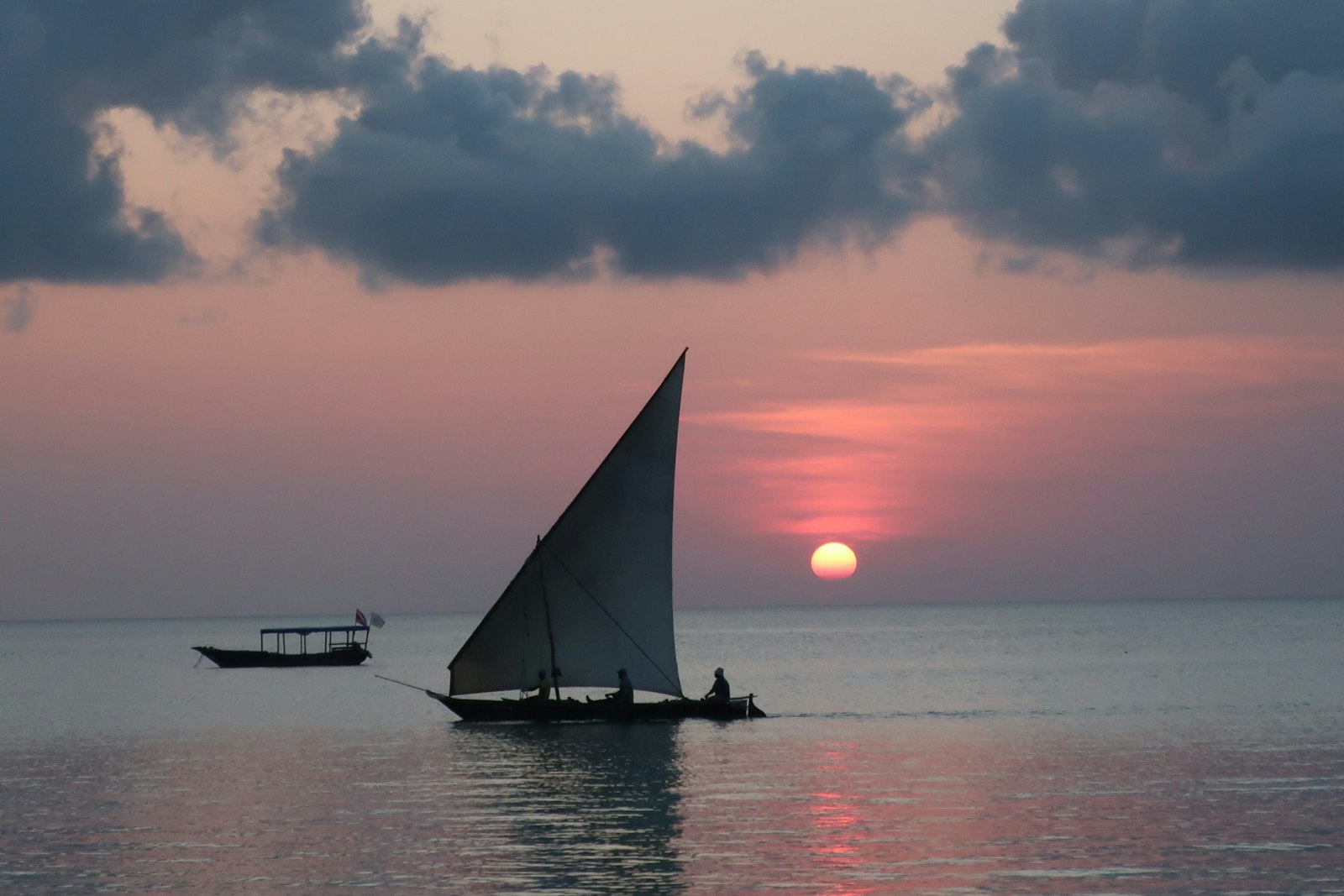
The Indian Ocean coast is at its best from June to October and from December to February, which lines up neatly with the best safari months. Many guests end their safari with a few nights on the beach to rest before flying home. See how we combine the two in our Tanzania safari and Zanzibar journeys and the 7-Day Serengeti Safari & Zanzibar.
How the season affects the price
Our private safaris are priced per adult per day by comfort level, from US$350 at Classic level to US$800 or more at Ultra-Luxury, and you multiply the daily rate by the number of days. Many camps charge more in July to October and over Christmas, and less in the green season. Our honest guide to Tanzania safari costs breaks down prices, park fees and examples for 4 to 10 days.
When to book
For July to October, Christmas and New Year, and the February calving season, book 9 to 12 months ahead to secure the best-located camps. For other months, 3 to 6 months is usually enough, and sometimes less.
Field notes: how we choose your dates
We always ask what matters most to you before we suggest a month. If it is the river crossings, we plan around the north in August. If it is quiet, we look at June or November. Every month has a place in Tanzania where it is the right time, and our job is to put you there.
Plan your timing with the people who guide you
Emnel Adventures was founded in Arusha in 2016, and the people who plan your safari are the same team who look after you on the ground. We follow the rains, the herds and the camps all year, so when we suggest a month for your safari, it comes from the field rather than a brochure. Meet the team on our About page.
How we keep this guide current
We review this guide each season with our guides and planning team in Arusha, checking camp opening dates, park fees, road conditions and where the herds actually were the previous year. Park fees and camp seasons can change, so we always confirm the details for your exact dates. Last reviewed: November 2026.
Frequently asked questions
What is the best month for a safari in Tanzania?
For most travellers, the best months are July to September, when the dry season gives excellent game viewing in every park and the Great Migration crosses the Mara River. February is the best month for the calving season. June and October offer dry-season wildlife with fewer vehicles.
Is it worth going on safari in the rainy season?
Yes, if you value quiet parks, green landscapes, birdlife and lower prices. Rain usually falls in short afternoon showers, except in April, the wettest month, when some camps close.
When can I see the calving season in the Serengeti?
From late January to February on the short-grass plains of Ndutu and the southern Serengeti, when most of the wildebeest calves are born within a few weeks.
When are the Mara River crossings?
The river crossings in the northern Serengeti usually happen from July to October. The herds cross many times, but no one can predict the exact day or hour.
What is the best time for a safari and Zanzibar?
June to October and late December to February, when both the parks and the coast are at their driest and sunniest.
Is December a good time for a Tanzania safari?
Yes. The short rains are easing, the landscapes are green and the herds arrive on the southern plains. The Christmas and New Year week is very popular, so book early.
What is the cheapest time for a Tanzania safari?
April and May, during the long rains, are the lowest-priced months, with reduced Serengeti park fees and lower camp rates.
What is the best time for a family safari in Tanzania?
July and August, during the school holidays, are ideal for families, with reliable game viewing and comfortable temperatures. Christmas and February half-term are also excellent.
When is the best time for birdwatching in Tanzania?
November to April, when migratory birds from Europe and Asia join Tanzania's resident species. Tarangire, Lake Manyara and the Serengeti are all excellent at this time.
When is the best time to climb Kilimanjaro and go on safari?
January to early March and late June to October, when both the mountain and the parks are at their driest.
What our guests say
“Me and my family had an amazing vacation in Tanzania. Nelson helped in personalizing the entire itinerary for Zanzibar, Dar es Salaam and the Safari. Thank you to the entire team of Emnel Adventures.”
— Vijay V, United Arab Emirates, 10-Day Safari & Zanzibar
Find your right time
Tell us when you can travel and what you would most love to see, and we will reply within 24 hours with the parks, camps and route that suit those dates, plus an indicative price. Every journey is planned in Arusha and guided by the team who will be with you on the ground.
Prefer to talk it through first? Contact our team in Arusha.