
Nelson Laizer, Founder & Travel Designer
Serengeti Map: The Four Regions Explained, and Which One to Choose
A guide map of the Serengeti’s four regions (central, southern, Western Corridor and northern) with the best months for each, the camps we use and how we split the nights, from the team who guide there.
Reviewed November 2026 by the Emnel team in Arusha.
The short answer: The Serengeti National Park covers 14,763 km² (about 5,700 square miles) of northern Tanzania, a little larger than the state of Connecticut. Guides divide it into four regions: the central Serengeti around Seronera, good all year for big cats; the southern plains around Ndutu, where the wildebeest calve from December to March; the Western Corridor, which the herds cross from about May to July; and the northern Serengeti, home to the Mara River crossings from July to October. Which region is best depends on the month you travel. Most of our safaris combine the central Serengeti with the region where the herds are at that time.
The Serengeti is too big to see in one go. From the Ndabaka gate in the far west to Bologonja in the north-east is a full day's driving, and in any given week the wildebeest are in only one part of it. This guide explains the park region by region: what each feels like, when to go, what you trade off, and the specific camps we use. It is written by the team who plan these journeys in Arusha and guide them on the ground.
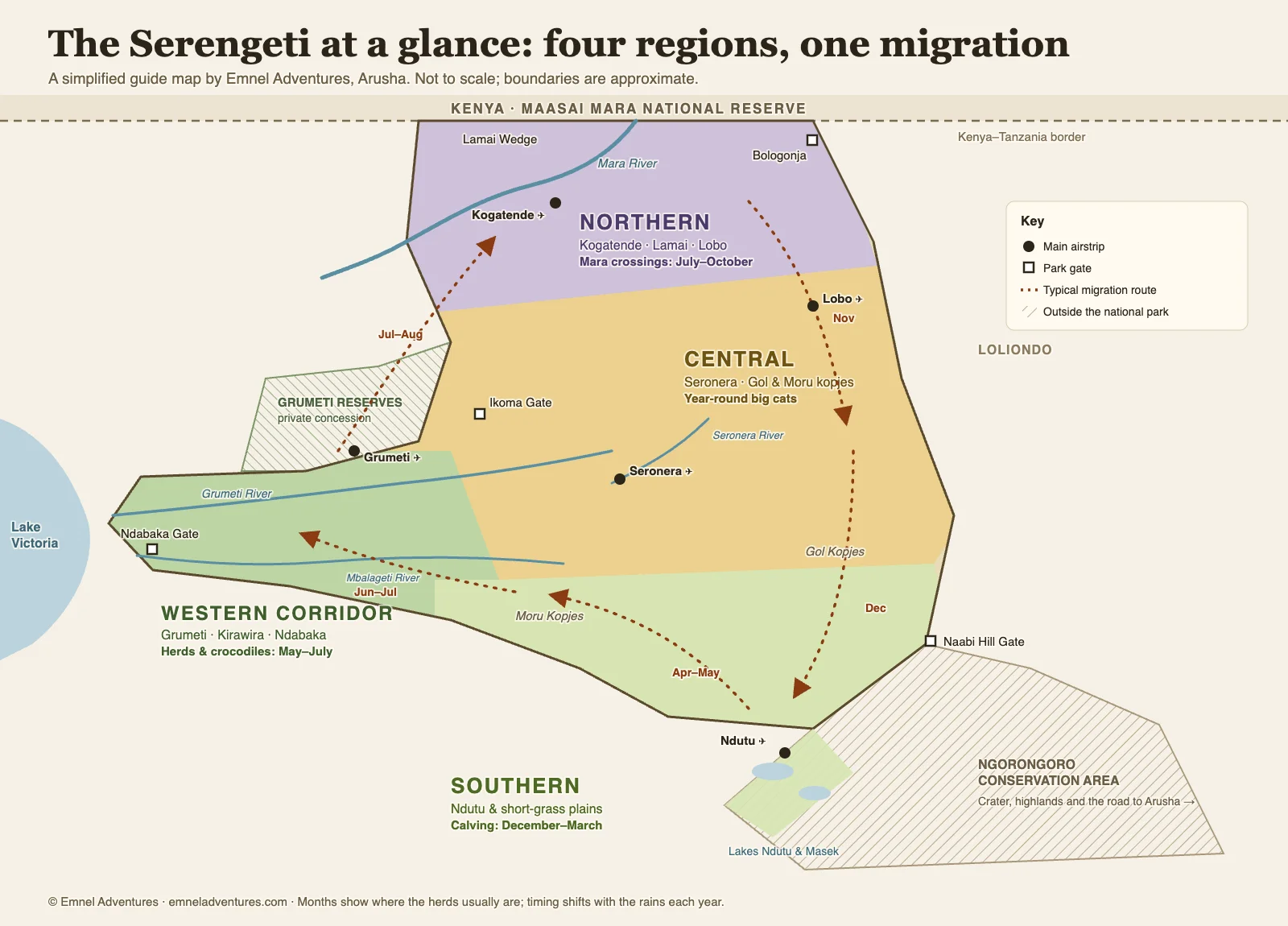
Our simplified guide map of the Serengeti. It is not to scale, and the migration months are the usual pattern, which shifts with the rains each year.
The Serengeti regions at a glance
Region | Main areas | Best months | Known for | Best for |
|---|---|---|---|---|
Central | Seronera, Moru and Gol kopjes | All year | Lions, leopards in the river valley, cheetahs on the plains | First safaris, short trips, families |
Southern | Ndutu, Lake Masek, the short-grass plains | December to March | Wildebeest calving and the predators that follow it | Migration and predator action, photographers |
Western Corridor | Grumeti and Mbalageti rivers, Kirawira, the private Grumeti reserves | May to July | Herds crossing the Grumeti, giant crocodiles | Early-season migration, privacy, walking in the reserves |
Northern | Kogatende, the Lamai Wedge, Lobo, Bologonja | July to October | Mara River crossings, wild open country | River crossings, repeat visitors, quiet green-season drives |
Two things on the map are worth knowing before you plan. Ndutu, the heart of calving country, sits just inside the Ngorongoro Conservation Area rather than the national park, so different park fees apply there. The Grumeti reserves north of the Western Corridor are a private concession, with different rules from the park itself. Both come up below.
How the four regions connect: the migration loop
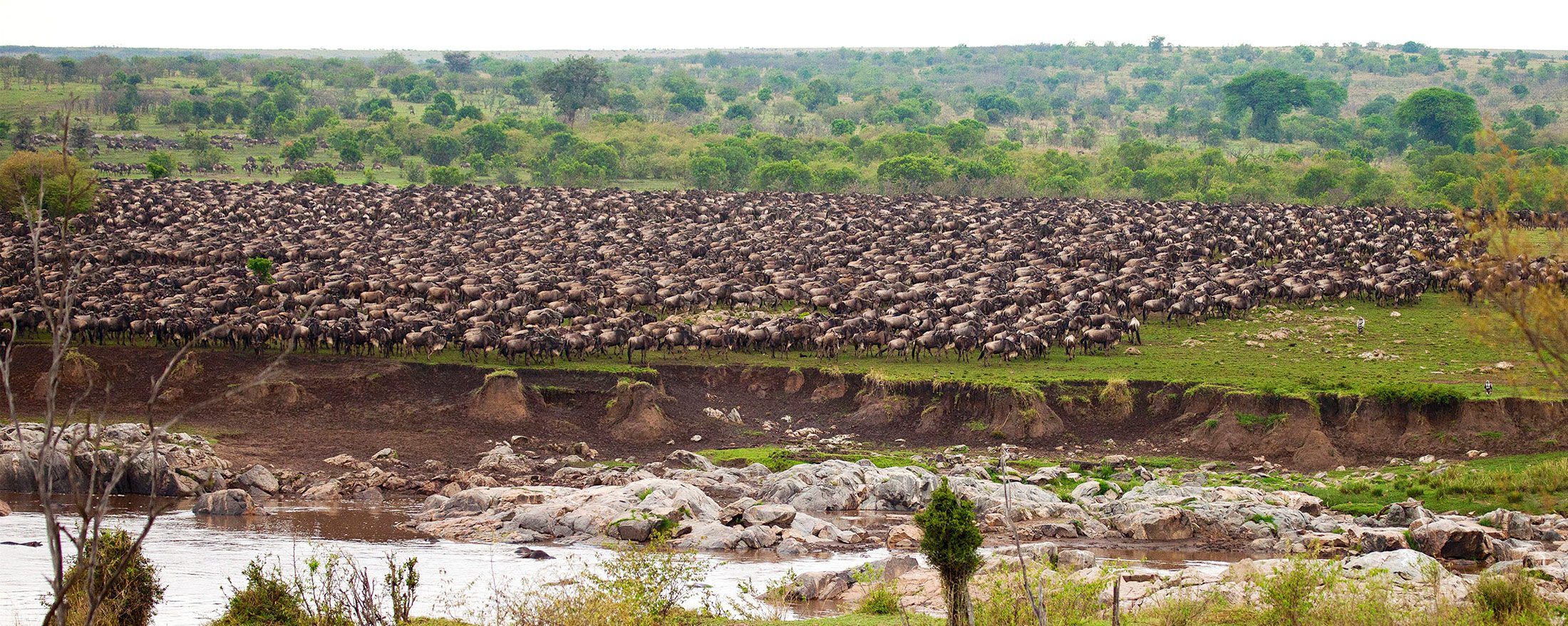
The Great Migration is not a single event in one place. It is a slow clockwise loop of more than a million wildebeest, with zebras and gazelles, following the rains through every region of the park. In a typical year, the herds are:
December to March: on the southern plains around Ndutu, where about half a million calves are born, mostly in February.
April and May: moving north and west through the central Serengeti during the long rains.
May to July: passing through the Western Corridor and over the Grumeti River, then turning north.
July to October: in the far north, crossing the Mara River back and forth.
November: heading back south through the eastern side of the park, towards Lobo and Seronera.
This is why the month you travel should decide the region, and the region should decide the camp. For the full month-by-month detail, see our Great Migration guide and the best time to go on safari in Tanzania.
Central Serengeti: Seronera and the kopjes
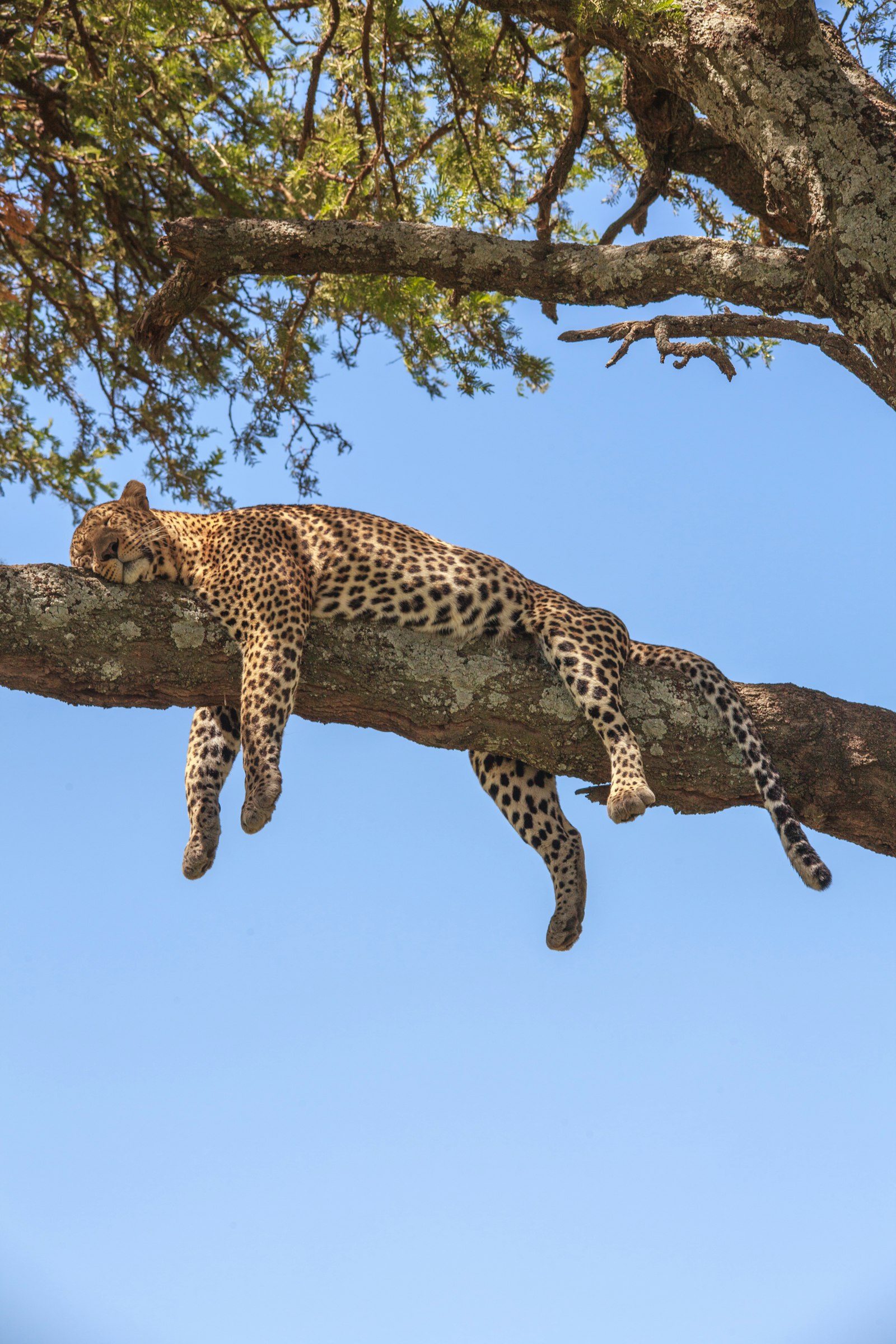
The central Serengeti is the part of the park most people picture: endless grass plains broken by granite outcrops called kopjes, with the Seronera River winding through a ribbon of acacia and sausage trees. It has water all year, so it holds resident game in every season, and it is one of the best places in East Africa to find leopards. Lion prides use the kopjes as lookouts, and cheetahs hunt the open plains to the south and east.
When to go: any month. The central Serengeti is the backbone of almost every itinerary we design, because it is reliable when the herds are elsewhere and the herds pass through it twice a year, in April and May and again in November.
The trade-off: it is also the busiest part of the park, because it is closest to the main road in from Ngorongoro. Our guides avoid the crowds with timing rather than luck: out at first light, on the quieter loops while other vehicles queue at a known sighting, and back to camp in the heat of the day.
Getting there: about seven to eight hours by road from Arusha via the Ngorongoro highlands and the Naabi Hill gate, usually broken with a night at the crater, or a light-aircraft flight to the Seronera airstrip.
The central Serengeti camps we use, by comfort level:
Sametu and Nanyukie sit on the eastern side of the central Serengeti, towards the Gol kopjes. These open short-grass plains are excellent for cheetahs and fill with herds in the green season. Escarpment Serengeti is on the Ikoma side, between Seronera and the Western Corridor.
Southern Serengeti: Ndutu and the calving plains
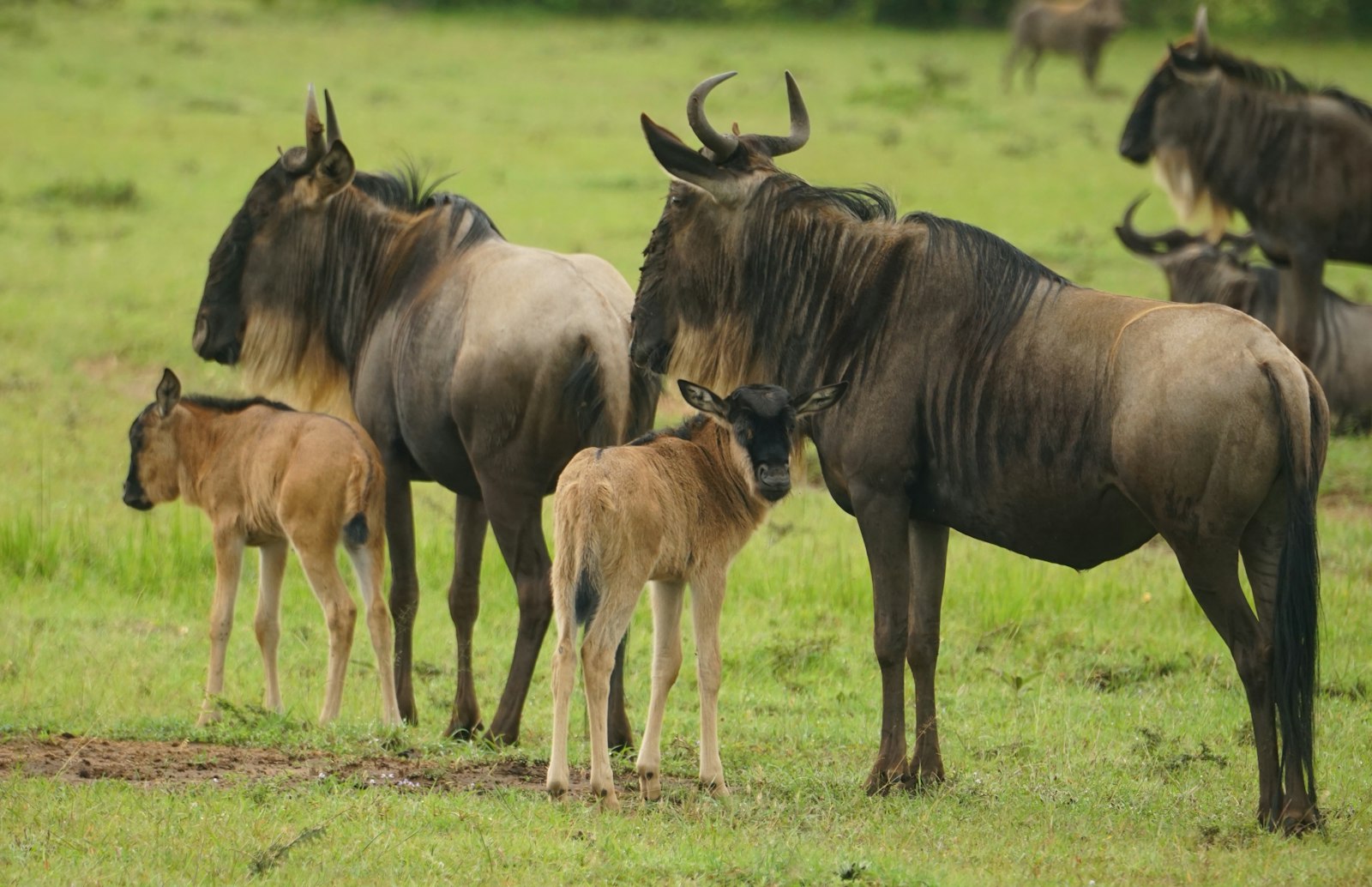
South of Seronera, the trees thin out into the short-grass plains that run across the park boundary towards Lake Ndutu and Lake Masek. For most of the year it is quiet, dry country. From December to March, after the short rains, the plains turn green and the herds arrive to give birth. With the calves come the predators: lions, cheetahs, hyenas and jackals, often in extraordinary numbers. For many of our guides, this is the most dramatic season of the year.
When to go: December to March, with February the peak of calving. From April to November the herds are elsewhere, many seasonal camps close or move, and we usually base guests further north.
The trade-off: calving season is popular and the best Ndutu camps fill early. It is also the green season, so expect afternoon showers, which are part of what makes the plains so lush.
Comfort level | Camps we use |
|---|---|
Mid-Luxury | |
Luxury | Lemala Ndutu, Lake Masek Tented Lodge, Nyikani Migration Camp, Elewana Serengeti Pioneer Camp (at the Moru Kopjes, between the south and the centre) |
Ultra-Luxury | Olakira Migration Camp (seasonal), Mwiba Lodge (a private reserve south of the park) |
For a full guide to this season, including where the herds tend to gather and how we plan the days, read Serengeti calving season in Ndutu.
The Western Corridor: the Grumeti and the private reserves
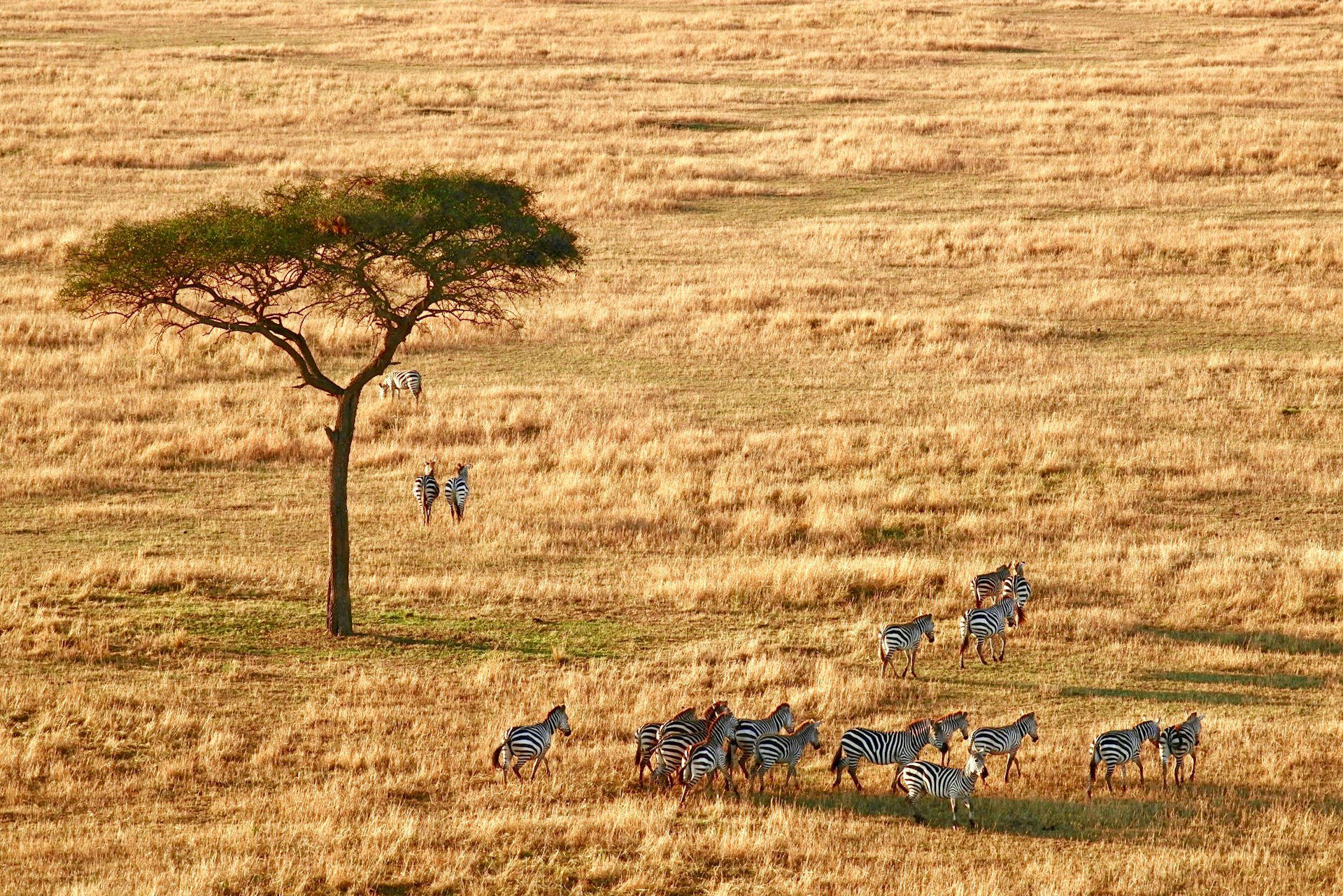
The Western Corridor is a long finger of the park reaching west from Seronera almost to Lake Victoria, following the Grumeti and Mbalageti rivers. It feels different from the rest of the Serengeti: wooded hills, black-cotton plains and riverine forest where you may see black-and-white colobus monkeys. When the herds arrive, usually from May to July, they have to cross the Grumeti River, home to some of the largest Nile crocodiles in Africa.
When to go: May to July for the migration. Outside those months, the corridor is one of the quietest parts of the park, with good resident game and very few other vehicles.
Inside the park or in a private reserve? North of the corridor lie the Grumeti reserves, a private concession of about 350,000 acres where Singita runs its camps. Unlike the national park, the reserves allow walking safaris, night drives and off-road driving, and guest numbers are kept very low. It is the closest the Serengeti comes to a private safari estate, and it is priced accordingly.
Comfort level | Camps we use |
|---|---|
Mid-Luxury | |
Luxury | |
Ultra-Luxury | &Beyond Grumeti Serengeti River Lodge, Singita Sasakwa Lodge, Singita Faru Faru Lodge, Singita Sabora Tented Camp |
Northern Serengeti: Kogatende, Lamai and the Mara River
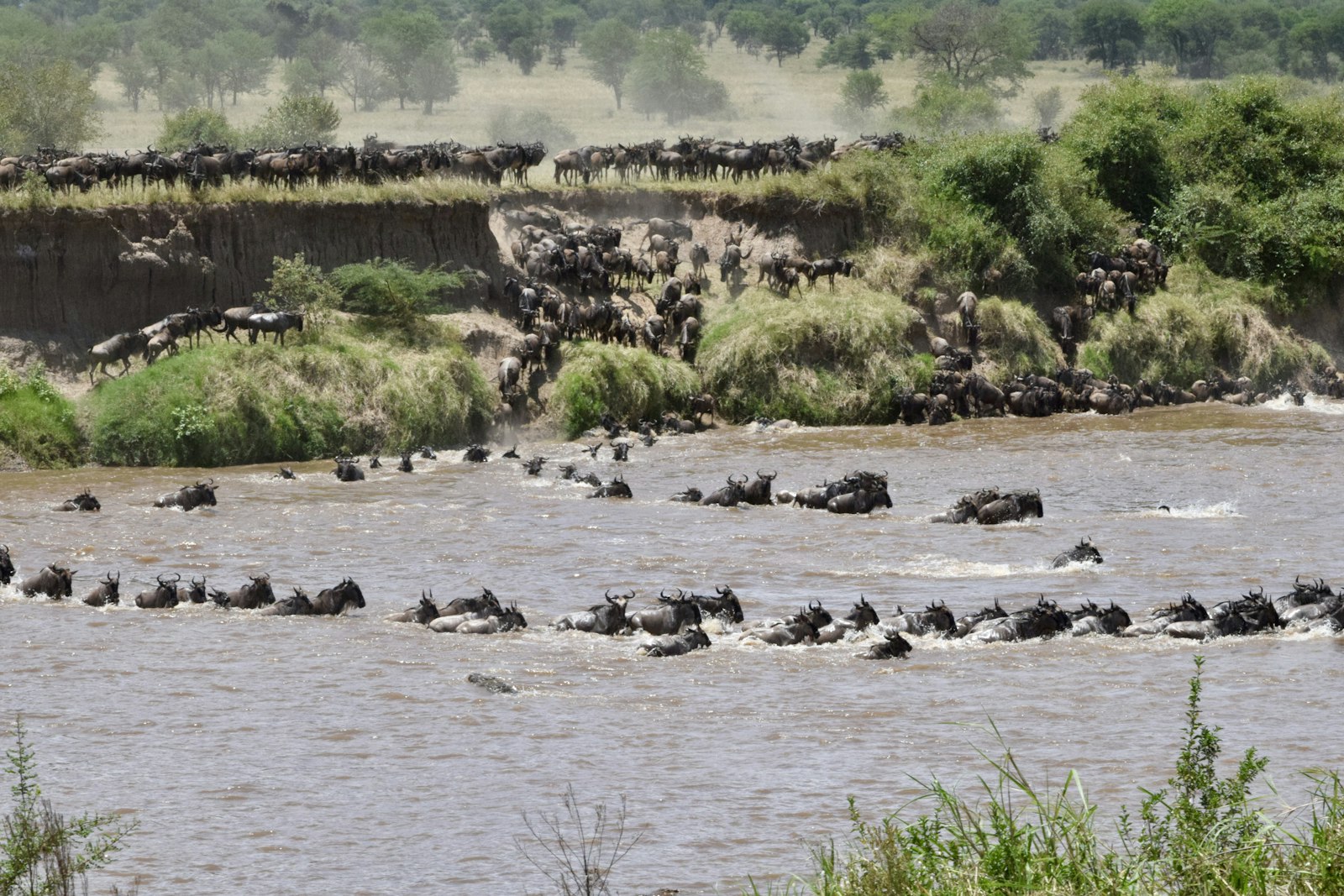
The northern Serengeti runs up to the Kenyan border, where the park meets the Maasai Mara. It is rolling, open country with granite hills around Lobo and Bologonja, and the Mara River cutting across it. North of the river lies the Lamai Wedge, a quiet triangle of land between the Mara and the border. From July to October the herds gather here, and the crossings of the Mara River are the most famous scenes of the migration.
When to go: July to October for the crossings, and early November as the herds turn south. From December to June the north is almost empty of other visitors, and our guides rate it highly for resident lions, elephants and the sense of having the Serengeti to yourself.
The trade-off: it is a long way from everywhere else. Most guests fly into Kogatende rather than spend a full day on the road, and crossing season is the most in-demand time of year, so the best riverside camps book up a year or more ahead. How the crossings work, and how we position guests for them, is in our guide to Mara River crossings in Tanzania. If you are weighing this region against Kenya, see Serengeti vs Masai Mara.
Comfort level | Camps we use |
|---|---|
Luxury | Mara Mara Tented Camp, Elewana Serengeti Migration Camp (north-central, on the Grumeti River), &Beyond Serengeti Under Canvas (a mobile camp that follows the herds) |
Ultra-Luxury | Sayari Camp, Singita Mara River Tented Camp, Kuria Hills Lodge, One Nature Mara River, Olakira Migration Camp (seasonal) |
For every migration camp we use across the year, in one place, see where to stay for the Great Migration, camp by camp and season by season.
Which region should you choose? How we split the nights
For most guests, the answer is two regions, not one: the central Serengeti for reliable game and big cats, plus the region where the herds are when you travel. These are the combinations we suggest most often for five Serengeti nights:
If you travel in | We usually suggest | Why |
|---|---|---|
January to March | 3 nights Ndutu, 2 nights central | Calving and predators in the south, leopards and kopjes in the centre |
April and May | 3 nights central, 2 nights Moru or the eastern plains | Herds moving through the centre, green landscapes and low prices |
June to early July | 2–3 nights Western Corridor, 2 nights central | The Grumeti crossings and the start of the rut |
July to October | 3 nights north, 2 nights central | Mara River crossings, then big cats on the way south |
November | 2 nights north or Lobo, 3 nights central | Following the herds south as the short rains begin |
Three Serengeti nights is the minimum we recommend for one region. Five or more lets you combine two regions without spending your safari in transit. For help fitting the Serengeti into a wider route with Tarangire, Ngorongoro or Zanzibar, see how many days you need for a Tanzania safari.
Drive or fly between regions?
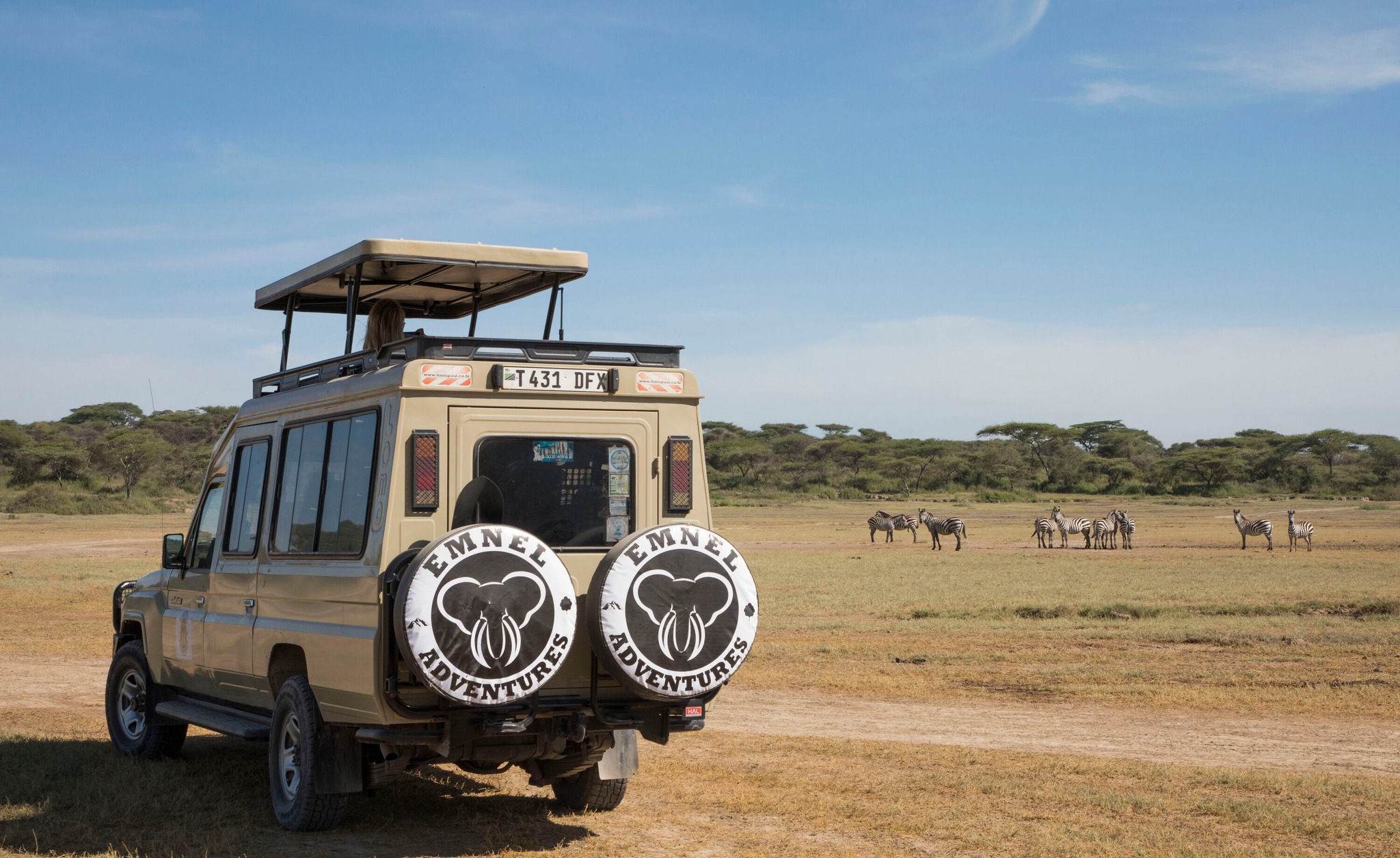
Driving between regions is part of the safari: the game viewing on the way is often as good as at either end, and with a private vehicle your guide can stop wherever it is worth stopping. Driving suits central and southern combinations, which are close together. The far north and the Western Corridor are a long day apart, so for those we often suggest a short light-aircraft hop, then meeting your guide and vehicle at the next airstrip. We explain both options, and the difference in cost, when we design your route.
What a Serengeti safari costs by region
Our private safaris are priced per adult per day, all-inclusive of your guide, vehicle, park fees, camps and meals. The region changes the price mainly through the camps available there:
Classic: US$350–450 per adult per day
Mid-Luxury: US$450–550 per adult per day
Luxury: US$600–750 per adult per day
Ultra-Luxury: US$800 or more per adult per day
As an example, a 6-day Serengeti safari at Luxury level, with nights in the central Serengeti and the north, comes to about US$3,600–4,500 per adult (6 days × US$600–750). Children under 11 travel at 40% off the adult rate. If your route needs a light-aircraft hop between regions, we show it clearly in your quote. The north and the private Grumeti reserves have more Ultra-Luxury camps, so they tend to cost more; the central Serengeti has the widest choice at every level. Serengeti park fees are currently US$82.60 per adult per 24 hours, and Ndutu falls under Ngorongoro Conservation Area fees instead. For the full breakdown, see how much a Tanzania safari costs.
Practical notes our guides plan around
Gate times: game drives in the national park run between about 6am and 6pm. Night drives are only possible in private concessions such as the Grumeti reserves.
Where you sleep sets your morning: staying inside the region you want to explore means you are watching animals at sunrise rather than driving to reach them. It is the single biggest reason we choose camps by location first.
The herds do not read calendars: the months in this guide are the usual pattern. We follow reports from our guides and camp partners in the weeks before you travel and adjust your drives to where the herds actually are.
Private vehicle, flexible days: on a private safari, your guide can stay with a sighting, leave early for a crossing or change regions mid-route, which matters in a park this size.
“Nelson’s knowledge and guidance regarding locations and accommodation really pulled the itinerary together. He worked really hard to put together a trip which suited us as a family of 4. … There is no doubt that the real success of the trip was down to our fantastic guides Gabriel and Abasai.”
— Melanie W, family of four, 8-Day Tanzania Family Safari
How we keep this guide current
We review this guide each year against our guides' seasonal reports, our camp partners' opening dates and the latest park fees, and update it whenever anything changes. Last reviewed: November 2026. For the park as a whole, including wildlife, getting there and our Serengeti itineraries, see our Serengeti National Park guide.
Frequently asked questions
How big is the Serengeti National Park?
About 14,763 km², or 5,700 square miles, a little larger than Connecticut. The wider Serengeti ecosystem, including the Maasai Mara, the Ngorongoro Conservation Area and the surrounding reserves, is roughly twice that size.
What are the four regions of the Serengeti?
The central Serengeti (Seronera), the southern Serengeti (the Ndutu plains), the Western Corridor (the Grumeti and Mbalageti rivers) and the northern Serengeti (Kogatende, Lamai and Lobo). Some guides also treat the eastern plains around the Gol kopjes as a separate area.
Which part of the Serengeti is best?
It depends on when you travel. The central Serengeti is good all year. For the Great Migration, choose the south from December to March, the Western Corridor from May to July, and the north from July to October.
Is Ndutu in the Serengeti?
Ndutu is part of the Serengeti ecosystem and the southern plains, but it sits just inside the Ngorongoro Conservation Area, on the border of the national park. That is why Ngorongoro Conservation Area fees apply there.
Where is the Great Migration in the Serengeti right now?
In a typical year, the herds are in the south from December to March, the centre in April and May, the Western Corridor from May to July, the north from July to October, and heading south again in November. Ask us before you book and we will tell you what our guides are seeing.
Can you see the whole Serengeti on one safari?
Not comfortably. With five or six nights, two regions is ideal. Seeing three or four regions needs at least eight Serengeti nights, or light-aircraft flights between them.
Which is the quietest part of the Serengeti?
Outside the migration months, the northern Serengeti and the Western Corridor see the fewest vehicles. The private Grumeti reserves are quiet all year because guest numbers are limited.
Plan your Serengeti safari with the team who guide it
Tell us when you would like to travel and who is coming, and we will reply within 24 hours with a personal route, the regions and named camps we would choose for your dates, and a clear, all-inclusive price. Every journey is planned in Arusha and guided by the team who will be with you on the ground.
Prefer to see an example first? Look at our 4-Day Fly-in Serengeti Safari, the 7-Day Serengeti Safari & Zanzibar, our Great Migration safaris, or contact our team in Arusha.