Nelson Laizer, Founder & Travel Designer
Where to Stay for the Great Migration: Serengeti Camps by Season (2027)
Where to stay for the Great Migration, month by month: the Serengeti regions to base yourself in each season and the specific camps we use, from Classic to Ultra-Luxury, with mobile camps vs lodges, how to split your nights and costs.
Reviewed November 2026 by the Emnel team in Arusha.
The short answer: For the Great Migration, where you stay matters more than which lodge you choose, because the herds move through the Serengeti in a yearly loop. From December to March, stay around Ndutu and the southern plains for the calving season. In April and May, the central and southern Serengeti are quiet and green. From June to early July, the herds pass through the central and western Serengeti. From July to October, stay in the far north near the Mara River for the crossings. In November, the herds move back south through the central Serengeti. The central Serengeti around Seronera is good all year, which is why many of our safaris combine it with a migration camp.
Choosing a camp for the migration can feel overwhelming: hundreds of properties, a moving target, and prices that vary several times over. This guide sets out, season by season, the areas we base guests in and the specific camps we use, from Classic to Ultra-Luxury, with honest notes on why we choose each. It is written by the team who plan these safaris in Arusha and guide them on the ground.
Where to stay for the Great Migration, month by month
Months | Where the herds usually are | Where we base you | Camps we use most |
|---|---|---|---|
December to March | Southern plains: calving season, peak in February | Ndutu and the southern Serengeti | Ndutu Safari Lodge, Lake Masek Tented Lodge, Lemala Ndutu, Nyikani Migration Camp, Intimate Camp Zebra |
April and May | Moving north through the central and southern Serengeti | Central Serengeti, around Seronera and Moru | Permanent lodges and camps, as many seasonal camps close |
June to early July | Central and western Serengeti, heading north | Central Serengeti, plus the Grumeti area | Lemala Ewanjan, Lemala Nanyukie, Elewana Serengeti Migration Camp |
July to October | Far north: the Mara River crossings | Kogatende and the Lamai Wedge | Sayari Camp, Singita Mara River, One Nature Mara River, Kuria Hills Lodge |
November | Moving south through the central Serengeti | Central Serengeti | Central Serengeti camps at every comfort level |
The herds follow the rain rather than the calendar, so these are patterns rather than promises. Our month-by-month Great Migration guide explains the movement in detail.
Not sure which camp suits your dates? Tell us when you are travelling and how you like to stay, and we will suggest the camps best placed for the herds at that time. We reply within 24 hours. Plan my safari
Why location matters more than the lodge
The Serengeti is about 14,750 square kilometres, and the distances between its regions are long: the drive from the central Serengeti to the Mara River alone takes five to six hours. If your camp is in the wrong area for the season, you can spend much of each day driving to the herds and back. A simple, well-placed camp near the action will almost always give you a better migration safari than a beautiful lodge three hours away.
That is why we choose the region first, then the camp within it at the comfort level you prefer. On most migration safaris we split your nights between two areas: a migration camp near the herds, and a camp in the central Serengeti for its year-round wildlife.
December to March: Ndutu and the southern plains
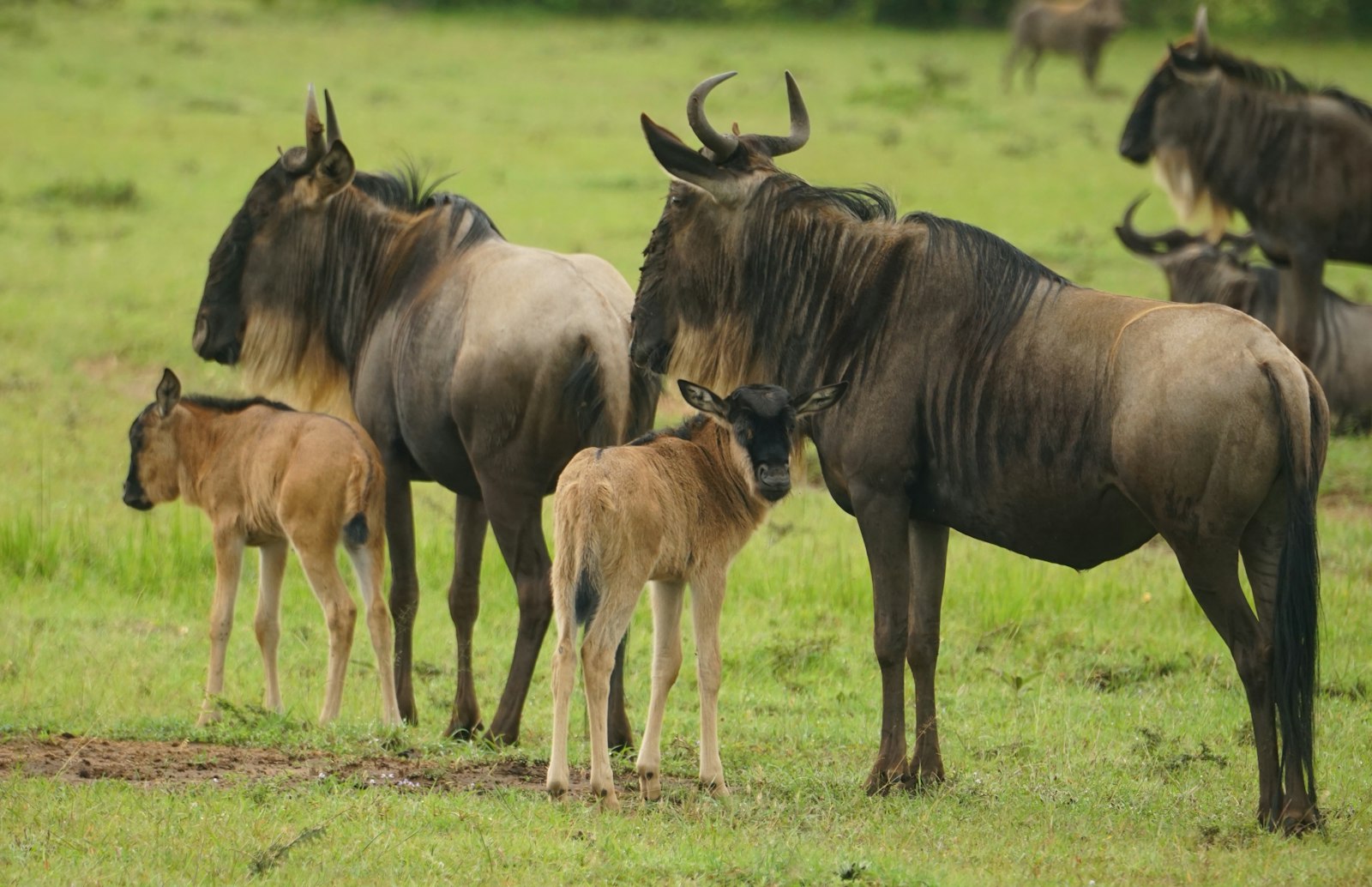
From December to March, the herds gather on the short-grass plains around Ndutu to give birth, and the predators follow. Ndutu lies inside the Ngorongoro Conservation Area on the Serengeti's southern edge. Read our full guide to the calving season for when to go and what to expect.
Camp | Type | Comfort level | Why we choose it |
|---|---|---|---|
Permanent lodge overlooking Lake Ndutu | Mid-Luxury | A classic in the heart of the calving plains, open all year | |
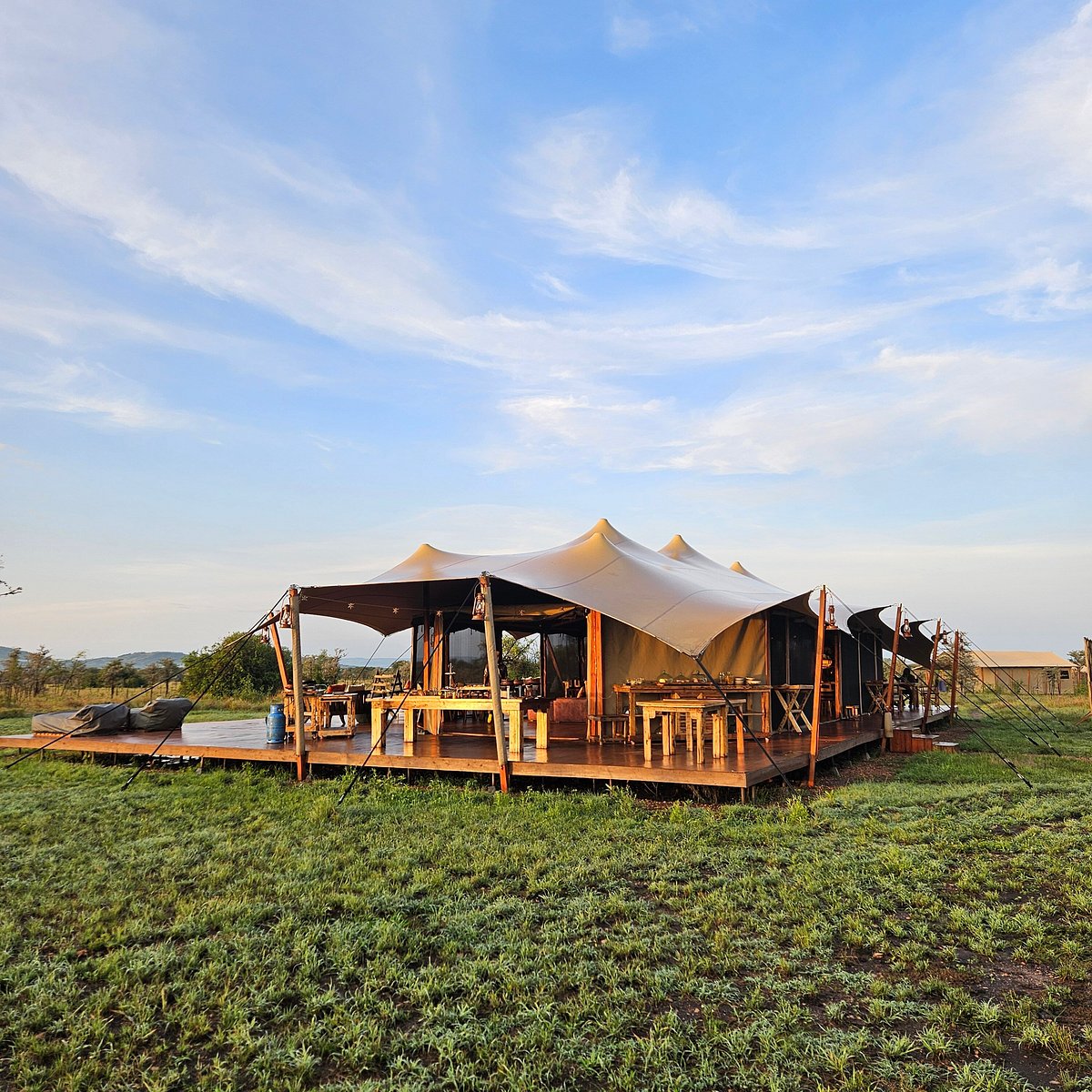
Small seasonal mobile camp | Mid-Luxury | Authentic and all-inclusive, moved to stay close to the herds | |
Permanent tented lodge on Lake Masek | Luxury | Spacious tents and lake views on the edge of the plains | |
Seasonal camp of nine tents | Luxury | Intimate and well placed beside a permanent marsh | |
Seasonal camp that follows the herds | Luxury | Positioned near the herds each season for early starts | |
Twelve-tent camp in the Moru Kopjes | Luxury | A classic 1930s-style camp between the southern plains and the central Serengeti |
April and May: the quiet green season
The long rains fall from around mid-March to May, and the herds drift north through the central and southern Serengeti. Many seasonal camps close, roads can be muddy and some tracks are impassable, so we base guests in permanent lodges and camps in the central Serengeti. In return you have the plains almost to yourself, the landscapes are at their greenest and rates are at their lowest. It is a rewarding time for travellers who are flexible about the weather. Our guide to the best time for a Tanzania safari explains the trade-offs.
June to early July: the central Serengeti and the Grumeti
As the dry season begins, the herds move through the central Serengeti and west towards the Grumeti River, where the wildebeest rut. This is a superb time to be in the central Serengeti, with fewer vehicles than July to September.
Camp | Type | Comfort level | Why we choose it |
|---|---|---|---|
Tented camp, central Serengeti | Luxury | One of the quieter, more intimate camps in the central Serengeti | |
Boutique tented camp | Luxury | Positioned to catch the herds as they pass through the central Serengeti | |
Twenty elevated tents among kopjes | Luxury | Beside the Grumeti River, on the herds' route as they move north and return south |
July to October: the Mara River in the far north
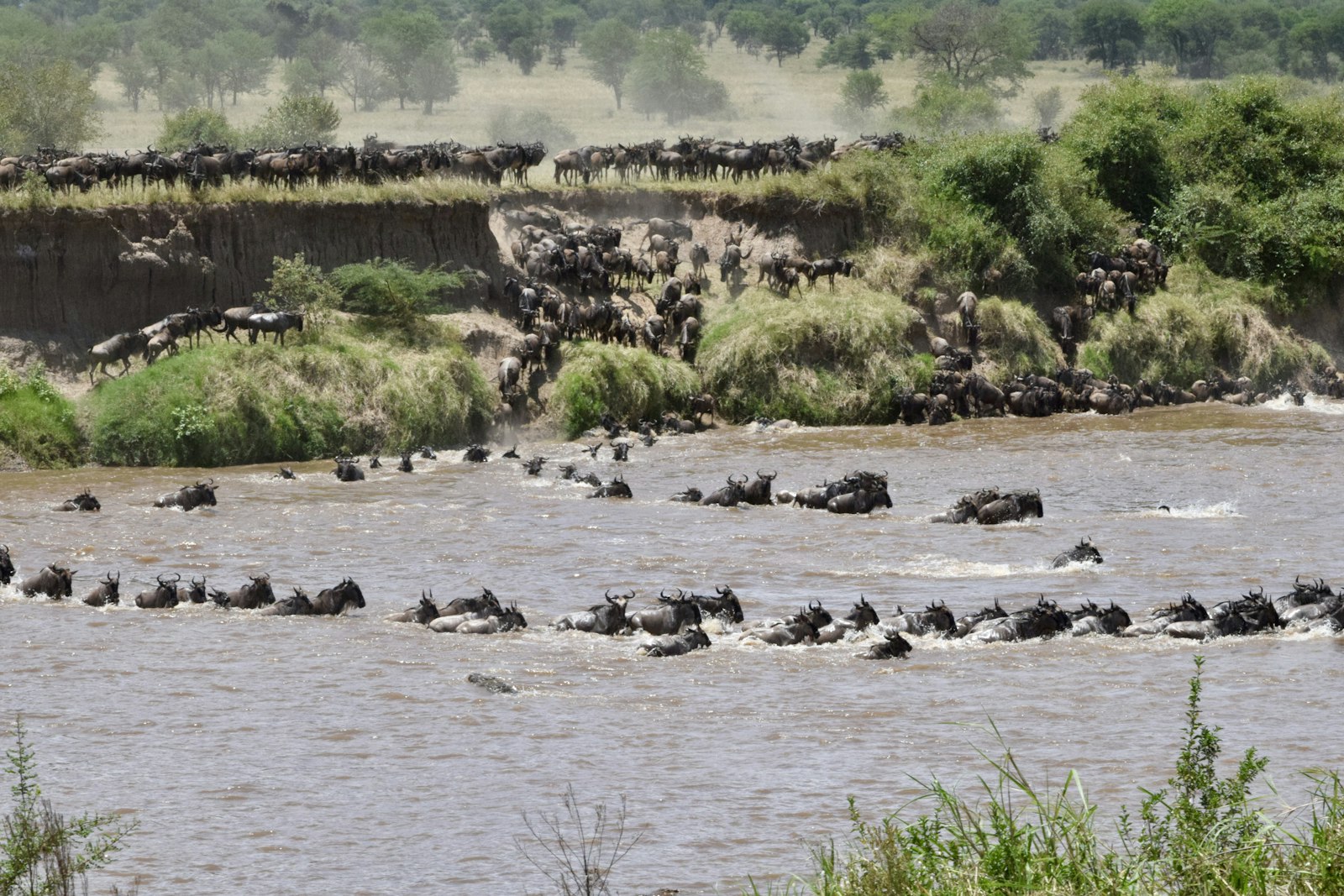
From July, the herds reach the far northern Serengeti, where they cross the Mara River many times in both directions. Staying close to the river is essential, because a crossing can begin and end while you are still on the road. Read our guide to the Mara River crossings for crossing points and what a crossing day is really like.
Camp | Location | Comfort level | Why we choose it |
|---|---|---|---|
Near the Mara River, far north | Ultra-Luxury | Positioned for the crossings, with genuine comfort after long days at the river | |
On the river in the Lamai area | Ultra-Luxury | An intimate camp with exceptional service | |
On the river, Kogatende and Lamai | Ultra-Luxury | Easy access to the crossing points | |
The Lamai Wedge | Ultra-Luxury | Hillside views over the north and quick access to the river |
For Classic and Mid-Luxury safaris, seasonal mobile camps move to the north for the crossing season, and we choose the best placed for your dates each year.
The central Serengeti: good all year
The central Serengeti, around the Seronera River valley, has resident lions, leopards, cheetahs and plains game all year, and the herds pass through it in April to June and again in November. It is the base for most first safaris and the second stop on most migration safaris. These are the central Serengeti camps we use at each comfort level:
Comfort level | Camps we use |
|---|---|
Classic | Tukaone Serengeti Hembe Camp, Tukaone Serengeti Mwaloni Camp |
Mid-Luxury | Serengeti Serena Safari Lodge, Lahia Tented Lodge, Tamu Tamu Serengeti Camp, Nyikani Camp, Kati Kati Tented Camp |
Luxury | Lemala Ewanjan, Lemala Nanyukie, Kubu Kubu Tented Lodge, Meliá Serengeti Lodge |
Ultra-Luxury |
Explore more about the park on our Serengeti destination guide.
Permanent lodges or mobile camps?
Permanent lodges and camps | Seasonal mobile camps | |
|---|---|---|
Location | Fixed, so best when they sit where the herds are that season | Moved two or three times a year to stay close to the herds |
Facilities | Often pools, larger rooms, wifi and more dining choice | Simpler and closer to the bush, with en-suite tents and bucket or flush showers |
Atmosphere | More rooms, more guests | Usually small and intimate, often under ten tents |
Best for | Families, travellers who value facilities, the green season | Migration seekers, photographers, travellers who want to feel the bush around them |
Many guests enjoy one of each: a mobile camp close to the herds, then a lodge with a pool for a couple of nights to rest.
How we split your nights
February: three nights around Ndutu for the calving, then two in the central Serengeti for the big cats.
June: three nights in the central Serengeti, then two near the Grumeti as the herds move north and west.
August: two nights in the central Serengeti, then three near the Mara River for the crossings, flying back from Kogatende.
November: three or four nights in the central Serengeti as the herds return south.
Before the Serengeti, most routes include Tarangire and a night near Ngorongoro Crater. Our guide to how many days you need compares full routes from 3 to 10 days.
What it costs
Your choice of camp is the biggest factor in the price of a migration safari. Our private safaris are priced per adult per day by comfort level:
Comfort level | Per adult, per day | 7-day private safari, per adult |
|---|---|---|
Classic | US$350–450 | US$2,450–3,150 |
Mid-Luxury | US$450–550 | US$3,150–3,850 |
Luxury | US$600–750 | US$4,200–5,250 |
Ultra-Luxury | From US$800 | From US$5,600 |
Prices include park fees, accommodation, meals, your private vehicle and guide. Children under 11 travel at 40% off the adult rate. Many guests mix levels, staying at a Mid-Luxury camp in the central Serengeti and spending more on the nights closest to the herds. Our guide to Tanzania safari costs explains park fees and what is included.
When to book
The camps closest to the herds are the first to fill. For February and for July to September, book 9 to 12 months ahead, especially for small mobile camps and the Mara River camps. For other months, 3 to 6 months is usually enough.
Field notes: the camp guests remember
Guests rarely remember the thread count. They remember the night they lay awake listening to the wildebeest moving past the tent, or the morning the herd was there when they unzipped the door. Put yourself where the animals are, and the camp becomes part of the safari.
Hand-picked, from Arusha
Emnel Adventures was founded in Arusha in 2016. The people who plan your safari are the same team who look after you on the ground, and we hand-pick every camp we recommend, based on where the herds actually are and what our guests tell us afterwards. Every Emnel safari is private: see our guide to private vs group safaris. Explore our Great Migration safaris, all our lodges and camps, or meet the team on our About page.
What our guests say
“Me and my family had an amazing vacation in Tanzania. Nelson helped in personalizing the entire itinerary for Zanzibar, Dar es Salaam and the Safari. Thank you to the entire team of Emnel Adventures.”
— Vijay V, United Arab Emirates, 10-Day Safari & Zanzibar
How we keep this guide current
We review this guide each year with our guides and planning team, checking where the herds spent each season, which seasonal camps moved where, and what our guests said about each property. Last reviewed: November 2026.
Frequently asked questions
Where should I stay for the Great Migration?
It depends on the month: around Ndutu from December to March, the central Serengeti in April and May, the central Serengeti and Grumeti area in June, near the Mara River from July to October, and the central Serengeti in November.
Is it better to stay in a mobile camp or a lodge?
Mobile camps move to stay close to the herds and feel more intimate; permanent lodges offer more facilities. For the migration itself, being close to the herds usually matters more, so many guests combine a mobile camp with a lodge.
Where should I stay to see the river crossings?
In the far northern Serengeti near the Mara River, around Kogatende and the Lamai Wedge, at camps such as Sayari, Singita Mara River, One Nature Mara River or Kuria Hills Lodge.
Where should I stay for the calving season?
Around Ndutu, at camps such as Ndutu Safari Lodge, Lake Masek Tented Lodge, Lemala Ndutu, Nyikani Migration Camp or Intimate Camp Zebra.
Can I see the migration from the central Serengeti?
Yes, when the herds pass through, usually in April to June and again in November. The central Serengeti also has excellent resident wildlife all year.
How far ahead should I book a migration camp?
Nine to twelve months ahead for February and July to September, when the best-placed camps fill first.
Find the right camp for your dates
Tell us when you would like to travel, who is coming and how you like to stay, and we will reply within 24 hours with a personal route, the camps best placed for the herds on your dates and an indicative price. Every journey is planned in Arusha and guided by the team who will be with you on the ground.
Prefer to talk it through first? Contact our team in Arusha.