Skip to content
Emnel Adventures
Amboseli National Park

Kajiado County · Kenya

Amboseli National Park

Kenya's classic Kilimanjaro park: big-tusked elephant herds, open swamps and dawn views of Africa's highest mountain across the plains.

Overview

Why go to Amboseli National Park

Amboseli National Park lies in southern Kenya beneath Mount Kilimanjaro, Africa's highest mountain, which rises just across the border in Tanzania. Its permanent swamps, fed by the mountain's snowmelt, draw large herds of elephant, buffalo and zebra through the dry seasons, making it one of the most reliable places in East Africa for close, unhurried elephant viewing.

Compact and easy to explore, Amboseli suits a two-night stay and combines naturally with the Maasai Mara, Nairobi or a cross-border journey into northern Tanzania.

Exceptional wildlife · A photographer’s favourite · Great for families

Country

Kenya

Circuit

Kajiado County

How Amboseli National Park scores

Compare all
Wildlife
8
Luxury
6
Family
8
Photography
9
Adventure
5

The travel guide

Get to know Amboseli National Park

Amboseli at a glance

Location
Southern Kenya on the Tanzania border, about 240 km south-east of Nairobi
Size
Around 390 km² of national park within a much larger Maasai ecosystem
Known for
Big-tusked elephant herds and dawn views of Mount Kilimanjaro
Best time
June to October and January to February (dry seasons)
Getting there
4–5 hours by road from Nairobi, or a short scheduled flight from Wilson Airport
Ideal stay
2 nights
Pairs well with
Maasai Mara, Nairobi, or northern Tanzania via the Namanga border

Why go to Amboseli?

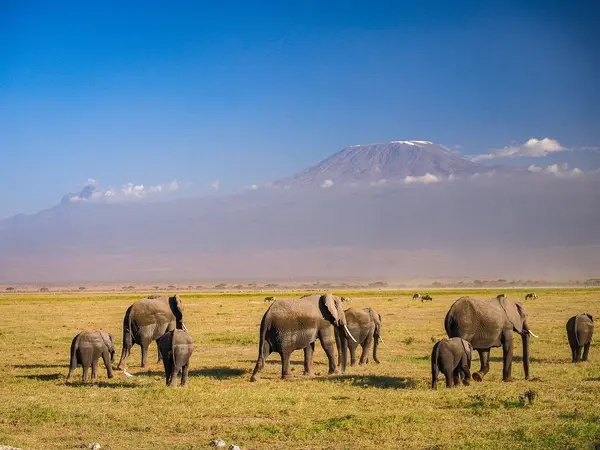
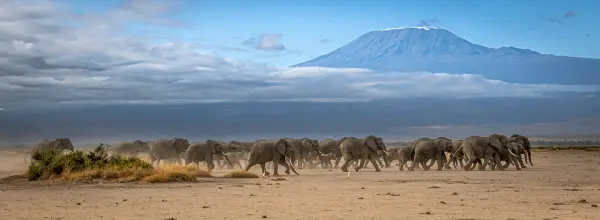
Amboseli is the safari picture most people carry in their heads before they ever reach Africa: a line of elephants walking across open plains, with the snow-capped summit of Kilimanjaro floating above them. The mountain itself stands just across the border in Tanzania, but it is from Amboseli, on the Kenyan side, that you see it whole, rising almost five kilometres above the plain.

The park is small by East African standards, and that is part of its appeal. Its landscape is simple and easy to read — dry lake bed, open grassland, acacia woodland and a chain of permanent swamps fed by water that falls as snow and rain on Kilimanjaro and filters underground for years before surfacing here. Those swamps are the reason Amboseli works. In the driest months, when the surrounding Maasai lands turn to dust, wildlife is drawn in to the green, and game viewing becomes concentrated and calm.

It is also one of the best places in Africa to spend real time with elephants. Families here have been studied continuously for more than fifty years, which means they are relaxed around vehicles and you can sit with a herd as it feeds, bathes and moves between the swamps without feeling that you are intruding.

Field Notes

Kilimanjaro is shy. Cloud usually builds around the summit by mid-morning, so the clearest views come at first light and again in the last hour before sunset. We plan Amboseli days around those two windows, with a long, unhurried lunch in between.

Wildlife in Amboseli

Elephants are the headline. Amboseli's herds include some of the largest-tusked bulls left in Africa, and family groups gather in the swamps through the heat of the day — wading, feeding on papyrus and sedge, and dusting themselves with the fine volcanic soil that gives so many Amboseli photographs their soft, pale light.

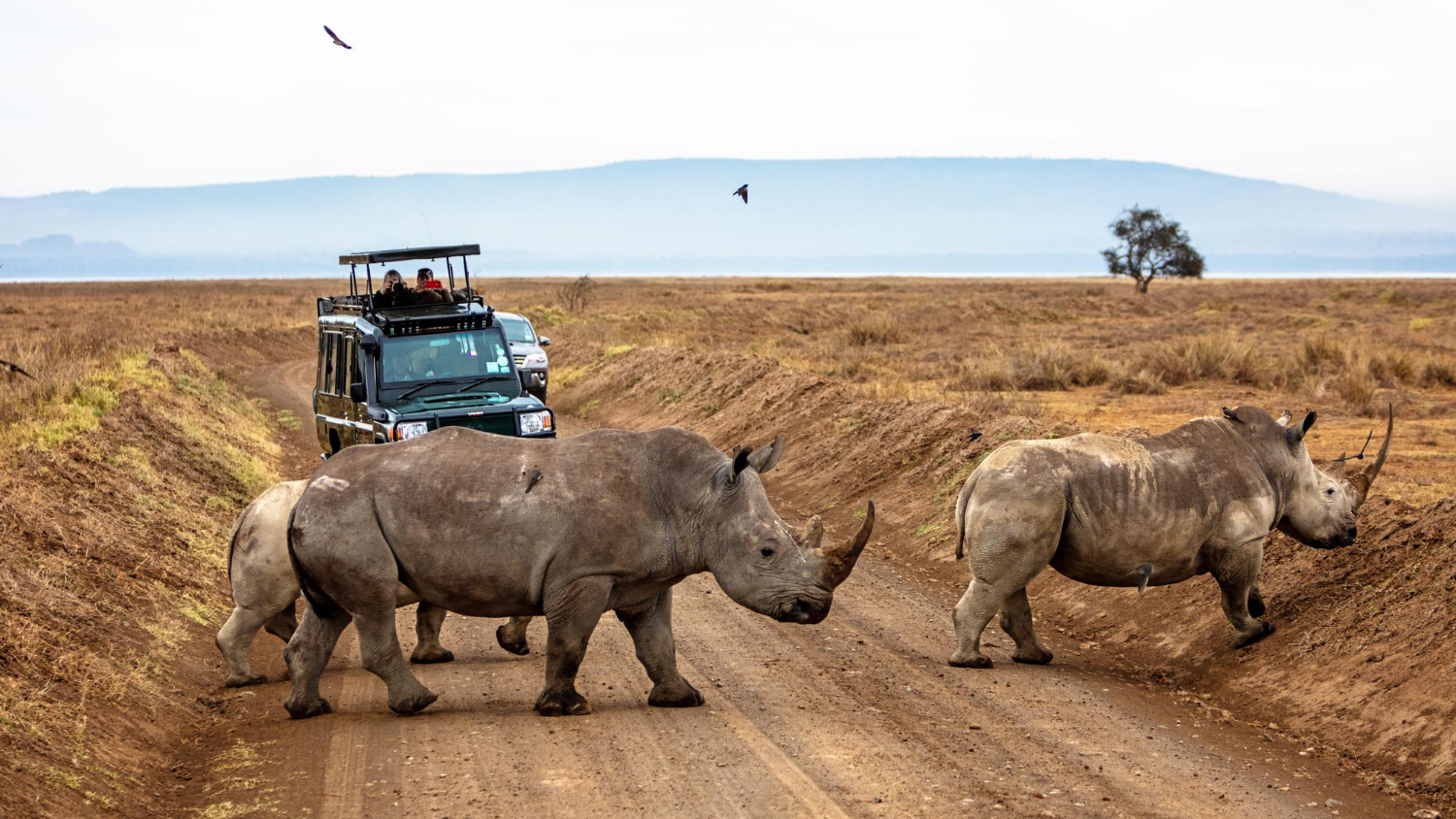
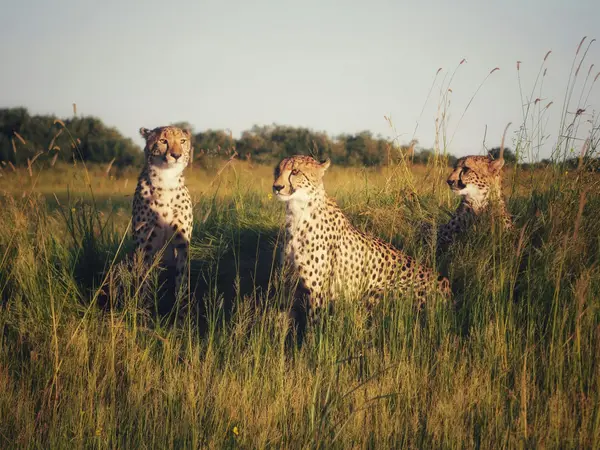
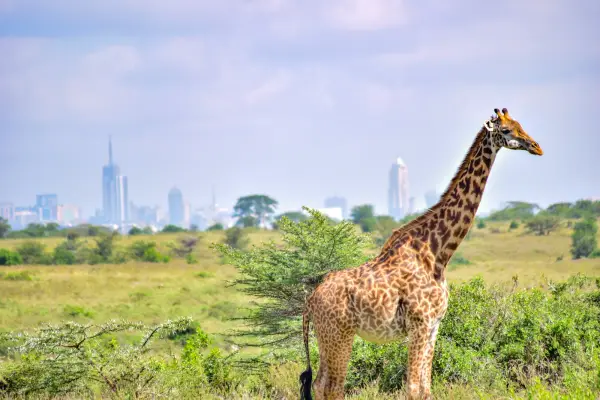
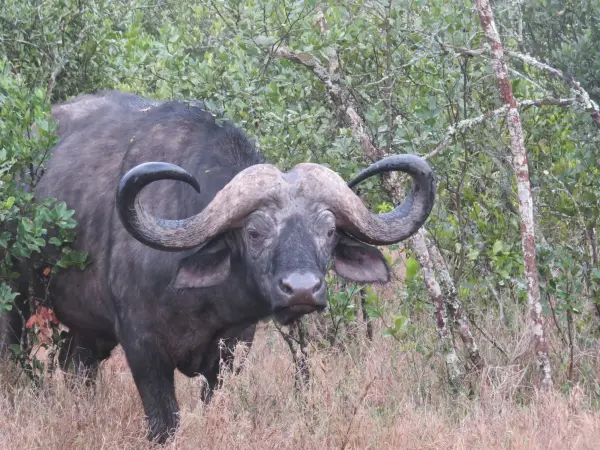
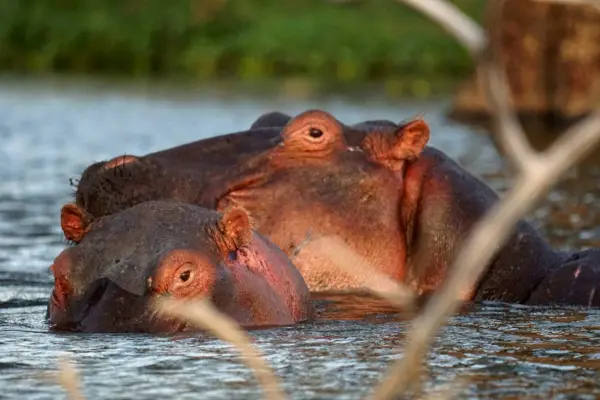
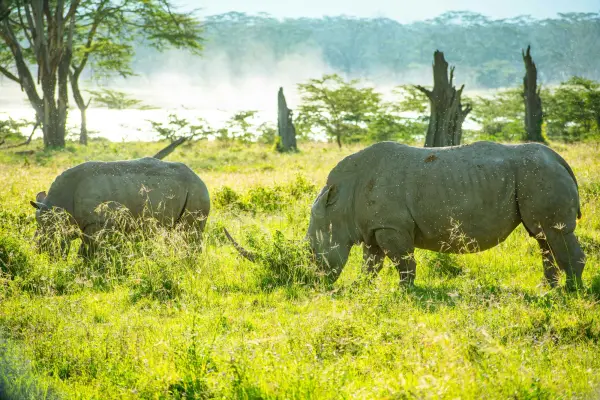
Around them you will find buffalo, zebra, wildebeest, Maasai giraffe, Grant's and Thomson's gazelle, eland, warthog and hippo in the deeper swamp channels. Lion, spotted hyena and cheetah are present and seen regularly, while leopard is scarce. Amboseli has no rhino, so if the Big Five matter to you we would pair it with Ngorongoro Crater across the border, or with a rhino sanctuary such as Ol Pejeta Conservancy in Laikipia.

The swamps are also superb for birds. Pelicans, herons, egrets, kingfishers, African fish eagles and many species of waders and waterfowl gather on the open water, while the grasslands hold crowned cranes, secretary birds and kori bustards. Several hundred species have been recorded in the wider ecosystem.

Did You Know?

Amboseli's swamps are fed almost entirely by Kilimanjaro. Rain and snowmelt soak into the mountain's volcanic rock and travel underground before emerging as springs on the plain — water that may have fallen on the mountain many years earlier.

When to visit Amboseli

Amboseli month by month

Months

January – February

Season
Short dry season
Conditions
Warm, generally clear
What to expect
Good game viewing and some of the clearest Kilimanjaro mornings

Months

March – May

Season
Long rains
Conditions
Afternoon storms, green plains
What to expect
Fewer visitors and lush scenery; some tracks become muddy

Months

June – October

Season
Long dry season
Conditions
Cool mornings, dusty afternoons
What to expect
Wildlife concentrated around the swamps; the classic Amboseli season

Months

November – December

Season
Short rains
Conditions
Brief showers, fresh grazing
What to expect
Quieter park, newborn animals and excellent light after rain

Guide's Tip

Amboseli can be dusty in the dry months and the afternoon wind lifts fine soil off the old lake bed. A light scarf, sunglasses and a cover for your camera make game drives far more comfortable.

How to get to Amboseli

From Nairobi the drive takes around four to five hours on good roads, entering the park through one of its eastern gates. Scheduled light aircraft also fly from Wilson Airport to the park's airstrip in well under an hour, which turns Amboseli into an easy extension at the start or end of a Kenya trip.

For travellers combining Kenya and Tanzania, Amboseli is a natural bridge. The Namanga border post lies between Amboseli and Arusha, so it is straightforward to begin in Amboseli and continue by road into the northern Tanzania circuit — Tarangire, Ngorongoro and the Serengeti — or to reverse the route.

Beyond the game drive

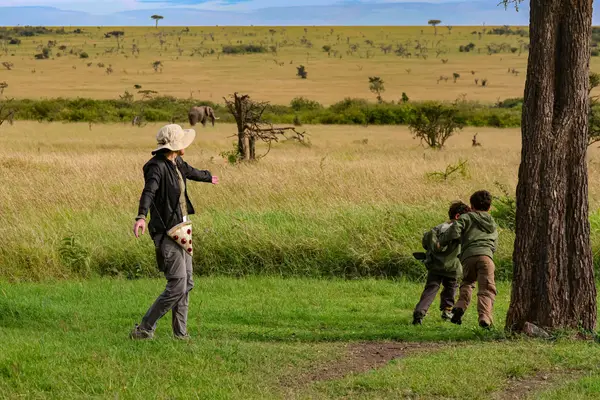
Observation Hill, a small volcanic knoll inside the park, gives a wide view over the swamps and plains and is a good place to stretch your legs. Outside the park boundaries, the surrounding Maasai group ranches and conservancies allow guided walks, night drives in some areas and visits to Maasai communities whose herding life has shaped this landscape for generations. These conservancies also play a large part in protecting the corridors elephants use to move between Amboseli, Tsavo and Kilimanjaro.

Where to stay and how long

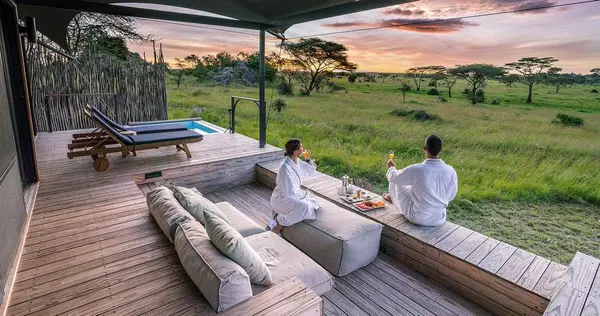
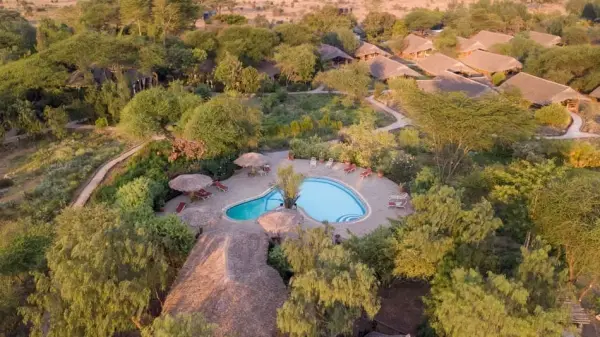
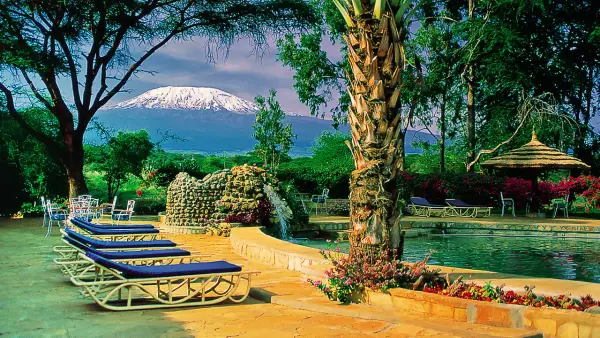
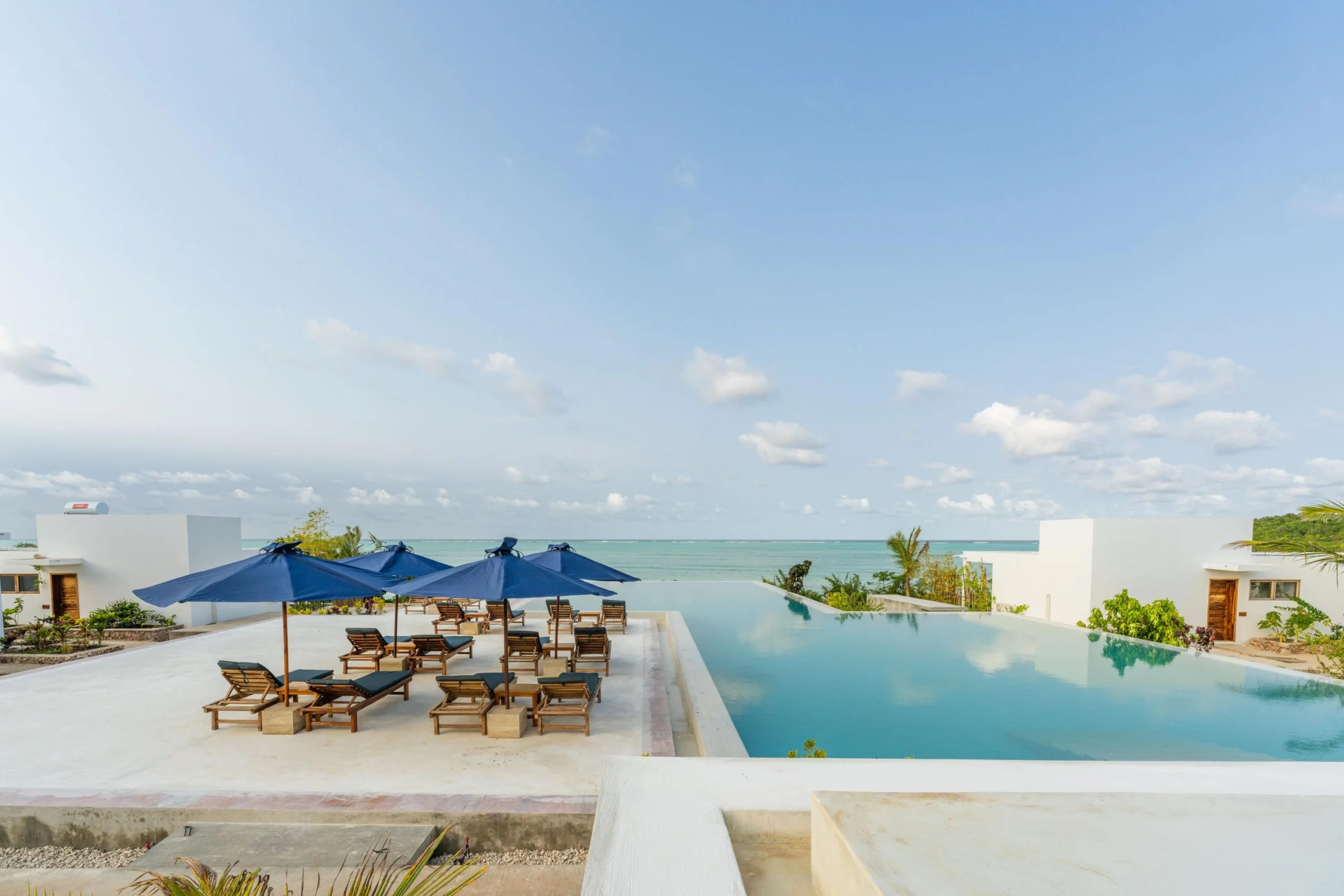
Two nights is the right length for most travellers: enough for a full day in the park, plus a sunset and a sunrise with Kilimanjaro. Stays range from established lodges set in private land in the mountain's foothills, such as Amboseli Sopa Lodge, to smaller tented camps close to the park gates. We match the choice to your pace — whether you want to be first through the gate at dawn, or prefer a quieter base with a pool and a view.

From Amboseli, most of our Kenya journeys continue west to the Maasai Mara for big cats and the Great Migration, or south across the border into Tanzania.

Amboseli — your questions, answered

When is the best time to see Kilimanjaro from Amboseli?

Early morning is best year-round, as cloud tends to gather around the summit by mid-morning. The clearest days are usually in the dry months of June to October and January to February, though the mountain can appear at any time of year.

Can you see the Big Five in Amboseli?

Not all of them. Amboseli has elephant, buffalo and lion, and leopard is occasionally seen, but there are no rhino. Pairing Amboseli with Ngorongoro Crater or Ol Pejeta Conservancy completes the Big Five.

How many days do I need in Amboseli?

Two nights is ideal. It gives you a full day of game viewing plus both a sunset and a sunrise, which are the best times for Kilimanjaro views.

How do I get from Nairobi to Amboseli?

By road it is around four to five hours. Scheduled flights from Nairobi's Wilson Airport reach the Amboseli airstrip in under an hour, and lodges transfer you from there.

Can I combine Amboseli with a Tanzania safari?

Yes. Amboseli sits close to the Namanga border, so it combines easily with Arusha and the northern Tanzania parks. We plan the crossing and connect your Kenya and Tanzania guides.

Is Amboseli good for families?

Very. Game drives are relatively short, the elephants are easy to watch at close range, and many lodges have pools and family rooms.

↑ Back to top

Safaris

Safaris through Amboseli National Park

Private itineraries that visit Amboseli National Park or spend a night at one of its lodges.

All tours in Amboseli National Park

Popular safaris

Where to stay

Lodges & camps in Amboseli National Park

Accommodation our specialists recommend and book — chosen for location, comfort and value.

Kibo Safari Camp

Mid-Luxury · Tented camp

Kibo Safari Camp

Amboseli National Park

A lively tented camp beside Kimana Gate at the foot of Kilimanjaro, with mountain views from the verandas, a pool, a spa and food from its own farm.

Explore this stay
Amboseli Sopa Lodge

Mid-Luxury · Lodge

Amboseli Sopa Lodge

Amboseli National Park

A well-loved lodge on 200 acres of private land in the foothills of Kilimanjaro, about twenty minutes from Amboseli National Park, with a pool that looks straight at the mountain.

Explore this stay
Compare stays in Amboseli National Park

Good to know

Amboseli National Park — your questions, answered

Honest, specific answers to the questions we're asked most about this destination.

Planning & Cost

What does a private Tanzania safari cost?

It depends mainly on the season, the number of days and the lodges you choose. Our private northern-circuit itineraries start from about US$3,100 per person for five days in Classic comfort, and rise with Mid-Luxury and Luxury camps. Park and conservation fees are set by the government and make up a significant share of every safari, and they are included in our prices. Every itinerary page shows a starting price per person, and we quote exactly for your dates.

When is the best time to go on safari in Tanzania?

Tanzania offers excellent game viewing all year. June to October is the classic dry season, with easy game viewing and the migration in the north. January to March brings the calving season in the southern Serengeti. The long rains of April and May are quieter and greener, and some camps close. We will recommend the best timing and route for what you most want to see.

Safari

Is every Emnel safari private?

Yes. You have your own vehicle and your own guide for the whole safari, and the daily pace, start times and stops are set around you, never around a group.

Who will our guide be?

One of Emnel's own guides. The team that plans your safari is the team that runs it. About two weeks before you arrive, we send your trip companion, with your guide's details and everything else you need for the journey.

Booking

How does booking work?

Tell us your dates and ideas, and we will design an itinerary and send a detailed proposal. To confirm, we ask for a 30% deposit plus any domestic flights, which are issued on confirmation. You then receive your official confirmation, and about two weeks before you travel, your trip companion with every final detail.

Zanzibar

Can we add Zanzibar to our safari?

Yes. A short flight from the Serengeti or Arusha takes you to Zanzibar's beaches. We recommend at least one night in Stone Town alongside your beach stay.

Start planning

Ready to explore Amboseli National Park?

Tell us what you have in mind and a local expert will craft a tailored plan — no payment needed to start.