Recommended
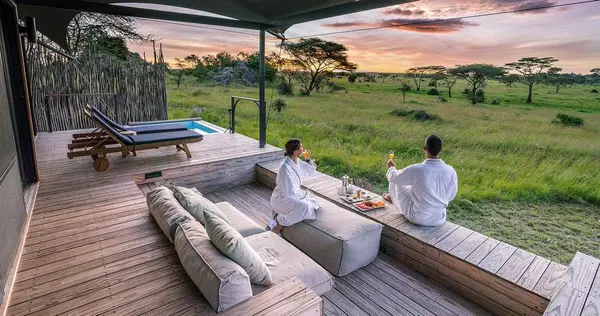
Tanzania 10-Day Tanzania Honeymoon Safari & Zanzibar
Tanzania·Classic·10 days, 9 nights
Beach extension Honeymoon
Perfect for honeymoon & couples
From
$3,150.00pp
10 days, 9 nights

Narok County · Kenya
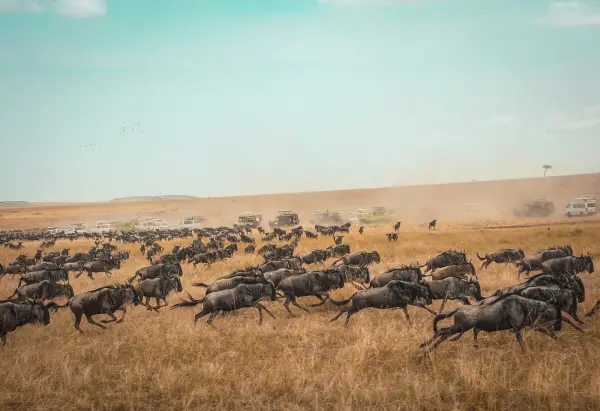
Kenya's most famous reserve, where the Great Migration crosses the Mara River and big cats roam rolling golden plains.
Overview
The Maasai Mara is Kenya's most celebrated safari reserve: rolling golden grassland in the south-west of the country, where the Great Migration crosses the Mara River each year and lion, cheetah and leopard hunt across open plains. It forms the northern end of the same ecosystem as Tanzania's Serengeti, divided only by the border.
The Mara suits three or four nights, and pairs beautifully with Amboseli, the Rift Valley lakes of Nakuru and Naivasha, or a combined Kenya and Tanzania journey.
Exceptional wildlife · A photographer’s favourite · Luxury lodges & camps
Country
Kenya
Circuit
Narok County
How Maasai Mara scores
Compare allThe travel guide
Maasai Mara at a glance
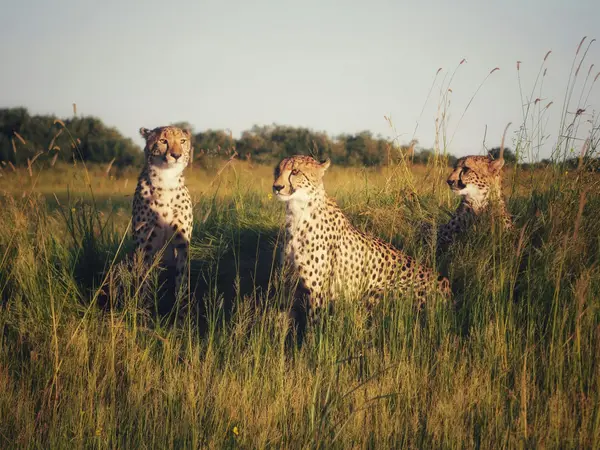
Few places on earth hold as much visible wildlife as the Mara. The landscape is open — wide grass plains broken by acacia, river forest along the Mara and Talek rivers, and the long wall of the Oloololo Escarpment on the western edge — so animals are easy to find and easy to watch. Lions are the reserve's signature, with large prides on the plains, and cheetah and leopard are seen regularly by guides who know their territories.
Then there is the Great Migration. Each year well over a million wildebeest, with zebra and gazelle, move in a vast circuit between the Serengeti and the Mara in search of fresh grazing. When they reach the Mara River the herds must cross, and the crossings — dust, noise and crocodiles waiting in the water — are among the most dramatic sights in the natural world.
The Mara is also the homeland of the Maasai, whose red shukas and cattle have shared this country with wildlife for centuries. Around the national reserve, community conservancies leased from Maasai landowners now protect a much wider area and offer some of the most exclusive game viewing in Africa.
Field Notes
River crossings cannot be scheduled. The herds may gather on the bank for hours and turn away, or cross within minutes of arriving. We plan full days near the river with a packed lunch, so there is no reason to leave just as the first wildebeest commits to the water.
Where you stay shapes your Mara experience. The national reserve itself offers the classic plains, the main river crossing points and good access from the airstrips; it can be busy at the height of the migration. The Mara Triangle, west of the Mara River and beneath the escarpment, is separately managed and often quieter, with excellent crossing points of its own.
The private conservancies on the northern and eastern boundaries limit the number of vehicles and allow activities that are not permitted inside the reserve, such as guided walks and night drives. Many travellers combine a few nights in a conservancy with days spent inside the reserve when the herds are near the river.
Did You Know?
The Mara and the Serengeti are a single ecosystem. The wildebeest pay no attention to the border, which is why the same migration can be followed from Tanzania in the early part of the year and from Kenya in the later months.
| Months | Season | Conditions | What to expect |
|---|---|---|---|
| January – February | Short dry season | Warm days, green grass | Excellent resident game and big cats; the migration is far south in the Serengeti |
| March – May | Long rains | Afternoon storms, lush plains | Quiet, green and good value; some camps close for part of this period |
| June – July | Start of dry season | Cooler mornings | Herds begin arriving from the Serengeti, usually from July |
| August – October | Peak dry season | Dry, golden plains | Migration in the Mara and the best chance of river crossings |
| November – December | Short rains | Brief showers | Herds drift back south; fewer vehicles and fine predator viewing |
Months
January – February
Months
March – May
Months
June – July
Months
August – October
Months
November – December
Guide's Tip
Migration timing varies with the rains from year to year. If river crossings are the priority, we suggest at least four nights between August and early October, and we will keep you posted on where the herds are as your dates approach.
From Nairobi the drive takes around five to six hours, descending into the Great Rift Valley with a natural stop at Lake Naivasha or Lake Nakuru. Most travellers prefer to fly: scheduled light aircraft from Wilson Airport reach the Mara's airstrips in under an hour, and your camp collects you on arrival.
The Mara also links easily with Tanzania. Scheduled flights connect the Mara with Kilimanjaro, clearing immigration on the way, and from Arusha light aircraft continue to the Serengeti, so it is simple to follow the migration across both countries in one journey.
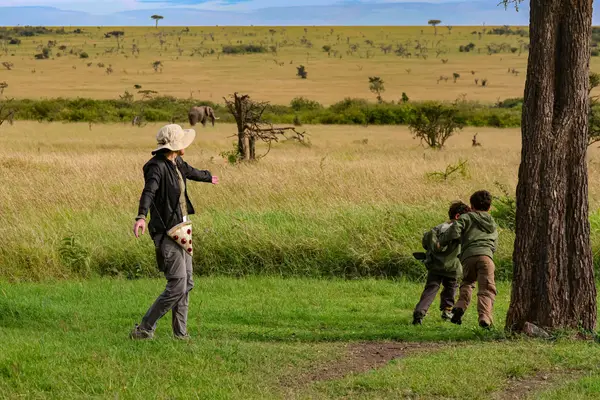
A dawn hot-air balloon flight over the plains, followed by a bush breakfast, is the Mara's signature experience. In the conservancies you can walk with Maasai guides, learn to read tracks and plants, and head out after dark in search of nocturnal animals. Visits to Maasai communities, arranged with care and with the community's involvement, offer an insight into a way of life that has shaped this landscape.
Three nights is a good minimum, four if the migration is the focus. Choices range from long-established lodges with pools and gardens, such as Masai Mara Sopa Lodge on the Oloolaimutia Hills, to intimate tented camps along the rivers and in the conservancies. We choose by season and by where the herds are likely to be during your stay.
The herds are usually in the Mara from July to October, with August and September often best for Mara River crossings. Timing shifts with the rains each year.
They are one ecosystem divided by the Kenya–Tanzania border. The Mara is smaller and more compact; the Serengeti is far larger. The migration spends the later months of the year in the Mara and the rest in the Serengeti.
Three nights is a good minimum; four is better in migration season, as river crossings cannot be predicted.
The reserve gives the best access to the main crossing points; conservancies offer fewer vehicles, walks and night drives. Many travellers combine both.
Yes. Scheduled flights connect the Mara with Kilimanjaro, and light aircraft continue from Arusha to the Serengeti and other northern parks. There are no direct flights between the Mara and the Serengeti, but the connection works well within a day.
For most travellers, yes. Drifting over the plains at sunrise gives a perspective on the Mara you cannot get from the ground, and it ends with a champagne breakfast in the bush.
Safaris
Our most-travelled private safaris — any of them can be shaped to include Maasai Mara.
Tanzania·Classic·10 days, 9 nights
Perfect for honeymoon & couples
From
$3,150.00pp
10 days, 9 nights
Tanzania·Classic·10 days, 9 nights
Perfect for couples & families
From
$3,850.00pp
10 days, 9 nights
Tanzania·Classic·7 days, 6 nights
Perfect for couples & families
From
$2,450.00pp
7 days, 6 nights
Tanzania·Mid-Luxury·10 days, 9 nights
Perfect for couples & families
From
$4,375.00pp
10 days, 9 nights
Tanzania·Mid-Luxury·8 days, 7 nights
Perfect for families & multi-gen families
From
$4,900.00pp
8 days, 7 nights
Where to stay
Accommodation our specialists recommend and book — chosen for location, comfort and value.
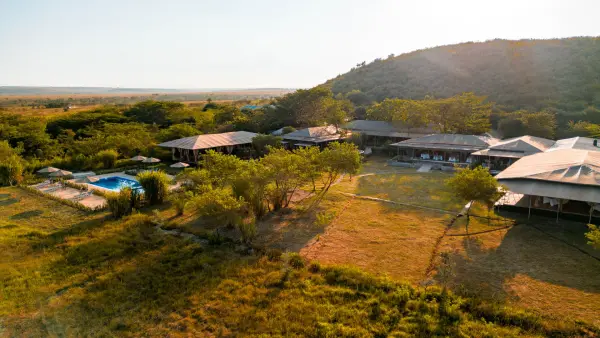
Classic · Tented camp
Maasai Mara
A classic, well-run tented camp below Oldonyo Oloip Ridge, facing the open Maasai Mara plains and a busy waterhole, with a pool, spa and campfire sundowners.
Mid-Luxury · Tented camp
Maasai Mara
A small boutique camp on a riverbank above the Maasai Mara plains, with ten stone-and-canvas tents, each with a private deck and jacuzzi facing the reserve.
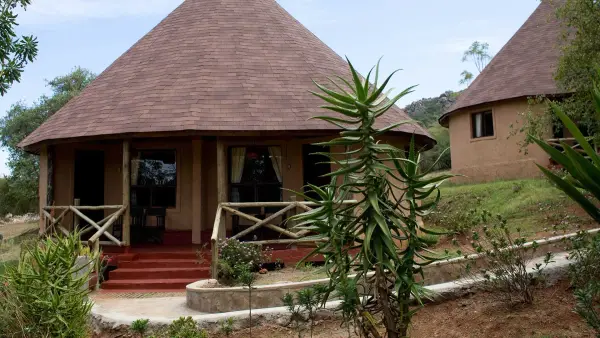
Mid-Luxury · Lodge
Maasai Mara
One of the Maasai Mara's first safari lodges, set high on the Oloolaimutia Hills with mature gardens, a central pool and sweeping views over the reserve.
Good to know
Honest, specific answers to the questions we're asked most about this destination.
Planning & Cost
It depends mainly on the season, the number of days and the lodges you choose. Our private northern-circuit itineraries start from about US$3,100 per person for five days in Classic comfort, and rise with Mid-Luxury and Luxury camps. Park and conservation fees are set by the government and make up a significant share of every safari, and they are included in our prices. Every itinerary page shows a starting price per person, and we quote exactly for your dates.
Tanzania offers excellent game viewing all year. June to October is the classic dry season, with easy game viewing and the migration in the north. January to March brings the calving season in the southern Serengeti. The long rains of April and May are quieter and greener, and some camps close. We will recommend the best timing and route for what you most want to see.
Safari
Yes. You have your own vehicle and your own guide for the whole safari, and the daily pace, start times and stops are set around you, never around a group.
One of Emnel's own guides. The team that plans your safari is the team that runs it. About two weeks before you arrive, we send your trip companion, with your guide's details and everything else you need for the journey.
Booking
Tell us your dates and ideas, and we will design an itinerary and send a detailed proposal. To confirm, we ask for a 30% deposit plus any domestic flights, which are issued on confirmation. You then receive your official confirmation, and about two weeks before you travel, your trip companion with every final detail.
Zanzibar
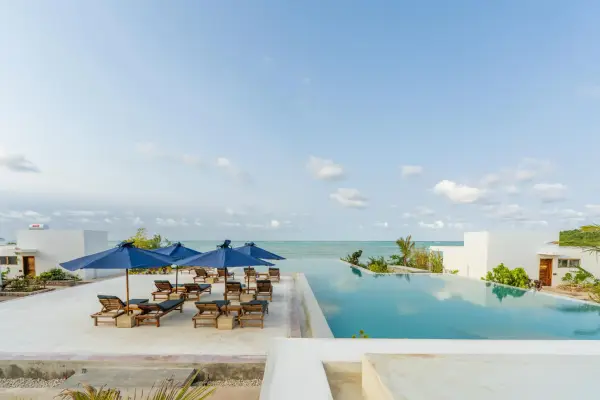
Yes. A short flight from the Serengeti or Arusha takes you to Zanzibar's beaches. We recommend at least one night in Stone Town alongside your beach stay.
Keep exploring
Other places our local experts know and love across the region.
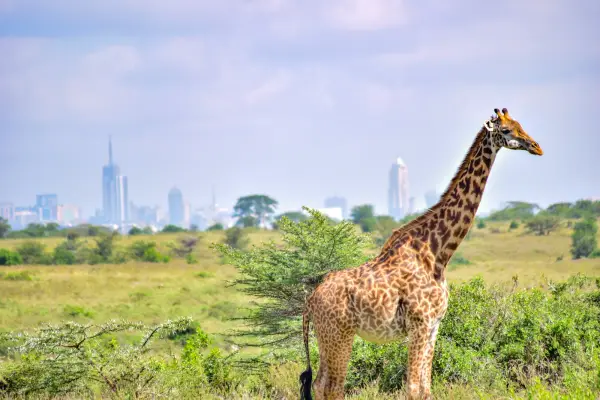
Nairobi County · Kenya
Kenya's capital and safari gateway, with a national park on its doorstep and the Giraffe Centre and Sheldrick elephant orphanage within easy reach.
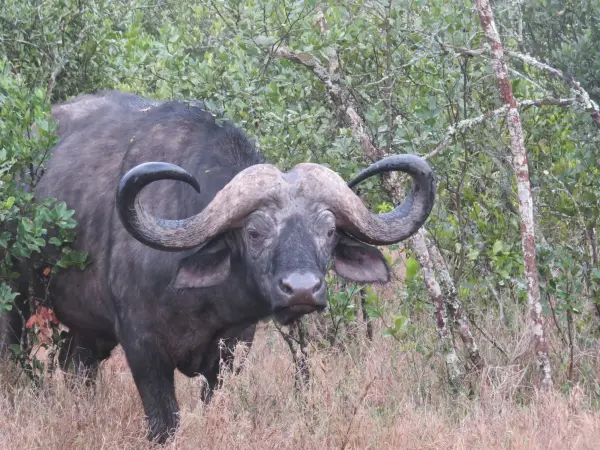
Laikipia County · Kenya
A Laikipia conservancy on the equator beneath Mount Kenya, home to the Big Five, East Africa's largest black rhino sanctuary, the last two northern white rhinos and Kenya's only chimpanzee sanctuary.
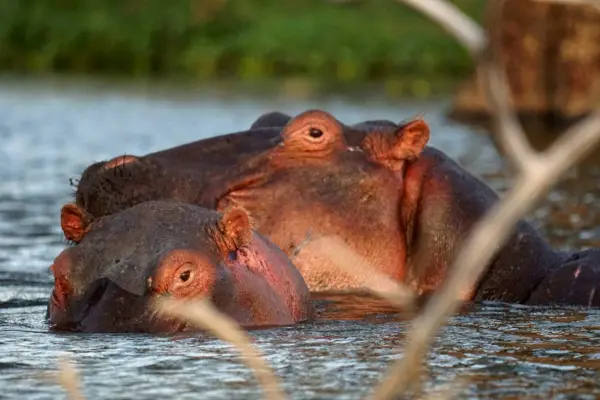
Nakuru County · Kenya
A freshwater Rift Valley lake of hippos, fish eagles and acacia shores, with boat trips, walking safaris and Hell's Gate close by.
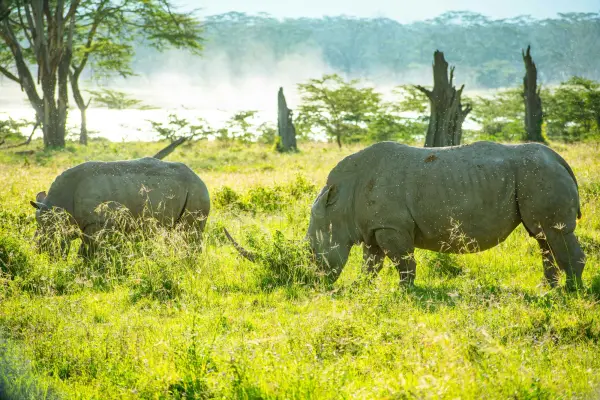
Nakuru County · Kenya
[{"type":"facts","title":"Lake Nakuru at a glance","items":[{"label":"Location","value":"Nakuru County, central Rift Valley, about 165 km north-west of Nairobi"},{"label":"Landscape","value":"Soda lake, acacia woodland, grassland…
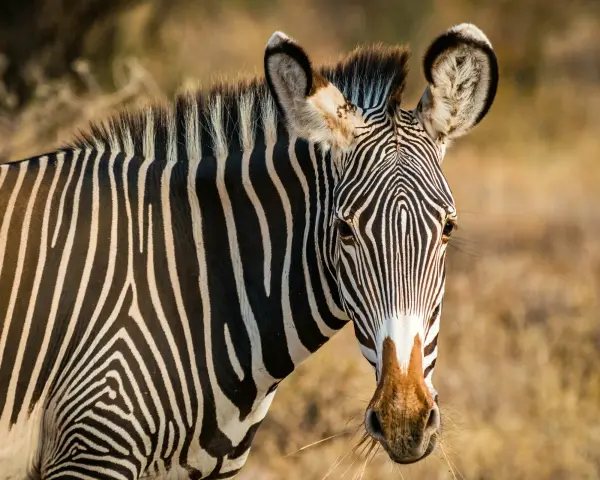
Samburu County · Kenya
Wild, arid northern Kenya on the Ewaso Ng'iro River, home to the Samburu Special Five and some of the darkest night skies in East Africa.
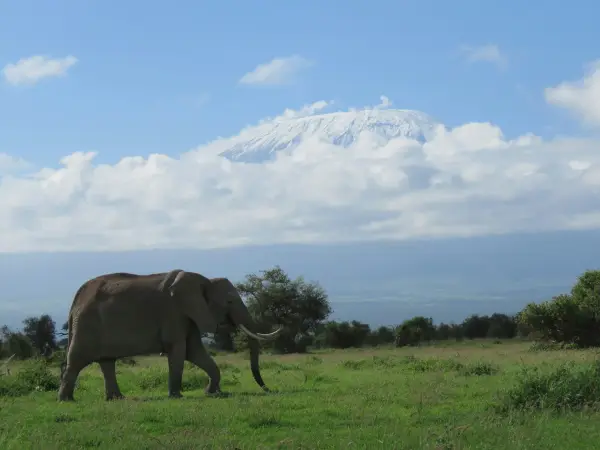
Kajiado County · Kenya
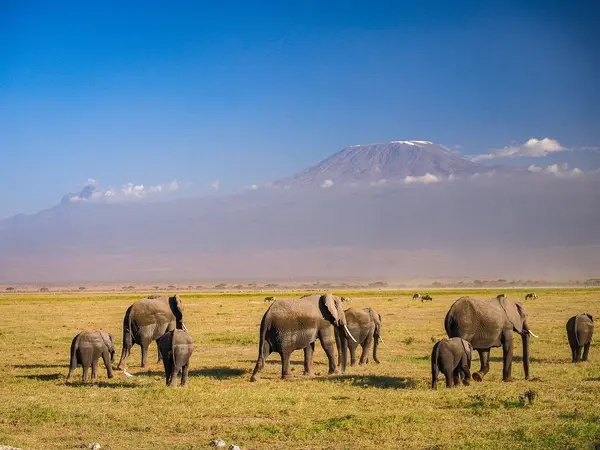
Kenya's classic Kilimanjaro park: big-tusked elephant herds, open swamps and dawn views of Africa's highest mountain across the plains.
Start planning
Tell us what you have in mind and a local expert will craft a tailored plan — no payment needed to start.