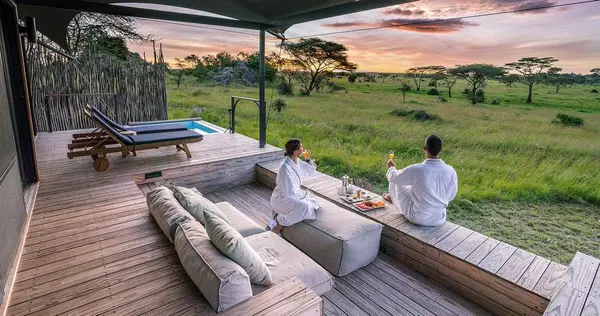
Recommended
Tanzania 10-Day Tanzania Honeymoon Safari & Zanzibar
Tanzania·Classic·10 days, 9 nights
Beach extension Honeymoon
Perfect for honeymoon & couples
From
$3,150.00pp
10 days, 9 nights

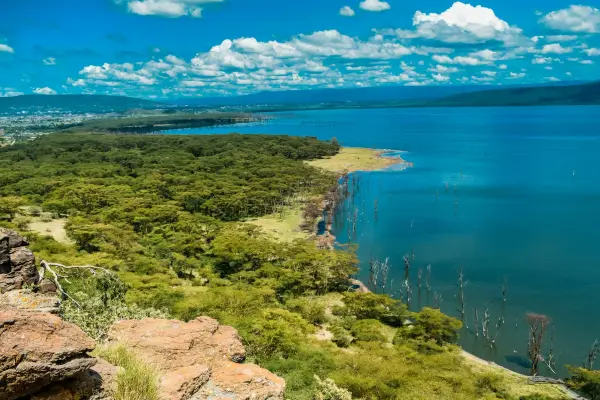
Nakuru County · Kenya
[{"type":"facts","title":"Lake Nakuru at a glance","items":[{"label":"Location","value":"Nakuru County, central Rift Valley, about 165 km north-west of Nairobi"},{"label":"Landscape","value":"Soda lake, acacia woodland, grassland and Rift Valley escarpment"},{"label":"Known for","value":"Black and white rhino, Rothschild's giraffe and birdlife"},{"label":"Best time","value":"Year-round; driest from June to October and January to February"},{"label":"Getting there","value":"Around 2.5–3 hours by road from Nairobi"},{"label":"Ideal stay","value":"1–2 nights"},{"label":"Pairs well with","value":"Lake Naivasha and the Maasai Mara"}]},{"type":"part","part":null,"title":"Why go to Lake Nakuru?"},{"type":"richtext","heading":"","body":"<p>Lake Nakuru is compact, varied and very rewarding for its size. The park is fenced, which has made it one of Kenya's most important rhino sanctuaries, and drives along the lakeshore and through the woodland regularly bring sightings of both black and white rhino — something few parks can offer so reliably.</p><p>The lake itself is shallow and alkaline. Flamingo numbers rise and fall with water levels, and in recent years the lake has been higher and the flamingos fewer, but great white pelicans, storks, herons and fish eagles remain abundant. The surrounding woodland of yellow fever trees is one of the most photogenic landscapes in the Rift Valley.</p>"},{"type":"field_notes","body":"Climb to Baboon Cliff or one of the other escarpment viewpoints for the classic view down over the lake and forest. It is the best way to understand the park's layout, and a lovely spot for a picnic."},{"type":"part","part":null,"title":"Wildlife at Lake Nakuru"},{"type":"richtext","heading":"","body":"<p>Alongside rhino you can expect buffalo, waterbuck, impala, zebra, warthog and the tall, pale-legged Rothschild's giraffe, one of Africa's rarer giraffe subspecies. Lions are present and are sometimes found resting in acacia trees, and leopard are seen occasionally in the forest. The park has recorded several hundred bird species, from pelicans and flamingos on the water to raptors over the escarpment.</p>"},{"type":"did_you_know","body":"Lake Nakuru has no outlet. Water arrives from rivers and springs and leaves only by evaporation, which concentrates the minerals and gives the lake its alkaline, soda character."},{"type":"part","part":null,"title":"When to visit Lake Nakuru"},{"type":"table","title":"Lake Nakuru month by month","columns":["Months","Season","What to expect"],"rows":[["January – February","Short dry season","Warm and clear; good rhino viewing"],["March – May","Long rains","Green, quiet and fewer vehicles"],["June – October","Long dry season","Pleasant days, excellent general game viewing"],["November – December","Short rains","Fresh grass and good birding"]]},{"type":"part","part":null,"title":"How to get to Lake Nakuru"},{"type":"richtext","heading":"","body":"<p>From <a href=\"/destinations/nairobi-kenya\">Nairobi</a> the drive takes around two and a half to three hours, descending the escarpment into the Rift Valley with fine views on the way. Nakuru sits naturally between Nairobi and the <a href=\"/destinations/maasai-mara\">Maasai Mara</a>, and close to <a href=\"/destinations/lake-naivasha\">Lake Naivasha</a>, so it works well as a one- or two-night stop that breaks up the journey.</p>"},{"type":"part","part":null,"title":"Where to stay and how long"},{"type":"richtext","heading":"","body":"<p>One night is enough for a full afternoon and morning in the park; two allows a slower pace and time at the viewpoints. Lodges on the escarpment, such as <a href=\"/accommodation/lake-nakuru-sopa-lodge\">Lake Nakuru Sopa Lodge</a>, look out across the whole lake and are a beautiful place to watch the sun set over the Rift Valley.</p>"},{"type":"faq","title":"Lake Nakuru — your questions, answered","items":[{"q":"Are there still flamingos at Lake Nakuru?","a":"Sometimes. Flamingo numbers depend on water levels and food, and the lake has been higher in recent years, so large flocks are less predictable than they once were. Pelicans and many other waterbirds are always present."},{"q":"Can you see rhino at Lake Nakuru?","a":"Yes. It is a fenced rhino sanctuary and one of the best places in Kenya to see both black and white rhino."},{"q":"How long should I spend at Lake Nakuru?","a":"One or two nights. It works well as a stop between Nairobi and the Maasai Mara."},{"q":"How far is Lake Nakuru from Nairobi?","a":"Around 165 km, or two and a half to three hours by road."},{"q":"Is Lake Nakuru good for families?","a":"Very. Distances are short, wildlife is easy to see and the viewpoints make good stops for children."}]}]
Overview
Lake Nakuru National Park surrounds a soda lake on the floor of Kenya's Great Rift Valley, framed by escarpments, yellow-barked acacia forest and grassland. A fenced sanctuary, it is one of the most dependable places in Kenya to see both black and white rhino, along with Rothschild's giraffe, buffalo, lion and an outstanding variety of birds.
Just a few hours from Nairobi, Nakuru makes an easy stop on the way to the Maasai Mara, and pairs well with nearby Lake Naivasha.
A photographer’s favourite · Great for families
Country
Kenya
Circuit
Nakuru County
How Lake Nakuru National Park scores
Compare allThe travel guide
Lake Nakuru at a glance
Lake Nakuru is compact, varied and very rewarding for its size. The park is fenced, which has made it one of Kenya's most important rhino sanctuaries, and drives along the lakeshore and through the woodland regularly bring sightings of both black and white rhino — something few parks can offer so reliably.
The lake itself is shallow and alkaline. Flamingo numbers rise and fall with water levels, and in recent years the lake has been higher and the flamingos fewer, but great white pelicans, storks, herons and fish eagles remain abundant. The surrounding woodland of yellow fever trees is one of the most photogenic landscapes in the Rift Valley.
Field Notes
Climb to Baboon Cliff or one of the other escarpment viewpoints for the classic view down over the lake and forest. It is the best way to understand the park's layout, and a lovely spot for a picnic.
Alongside rhino you can expect buffalo, waterbuck, impala, zebra, warthog and the tall, pale-legged Rothschild's giraffe, one of Africa's rarer giraffe subspecies. Lions are present and are sometimes found resting in acacia trees, and leopard are seen occasionally in the forest. The park has recorded several hundred bird species, from pelicans and flamingos on the water to raptors over the escarpment.
Did You Know?
Lake Nakuru has no outlet. Water arrives from rivers and springs and leaves only by evaporation, which concentrates the minerals and gives the lake its alkaline, soda character.
| Months | Season | What to expect |
|---|---|---|
| January – February | Short dry season | Warm and clear; good rhino viewing |
| March – May | Long rains | Green, quiet and fewer vehicles |
| June – October | Long dry season | Pleasant days, excellent general game viewing |
| November – December | Short rains | Fresh grass and good birding |
Months
January – February
Months
March – May
Months
June – October
Months
November – December
From Nairobi the drive takes around two and a half to three hours, descending the escarpment into the Rift Valley with fine views on the way. Nakuru sits naturally between Nairobi and the Maasai Mara, and close to Lake Naivasha, so it works well as a one- or two-night stop that breaks up the journey.
One night is enough for a full afternoon and morning in the park; two allows a slower pace and time at the viewpoints. Lodges on the escarpment, such as Lake Nakuru Sopa Lodge, look out across the whole lake and are a beautiful place to watch the sun set over the Rift Valley.
Sometimes. Flamingo numbers depend on water levels and food, and the lake has been higher in recent years, so large flocks are less predictable than they once were. Pelicans and many other waterbirds are always present.
Yes. It is a fenced rhino sanctuary and one of the best places in Kenya to see both black and white rhino.
One or two nights. It works well as a stop between Nairobi and the Maasai Mara.
Around 165 km, or two and a half to three hours by road.
Very. Distances are short, wildlife is easy to see and the viewpoints make good stops for children.
Safaris
Our most-travelled private safaris — any of them can be shaped to include Lake Nakuru National Park.
Tanzania·Classic·10 days, 9 nights
Perfect for honeymoon & couples
From
$3,150.00pp
10 days, 9 nights
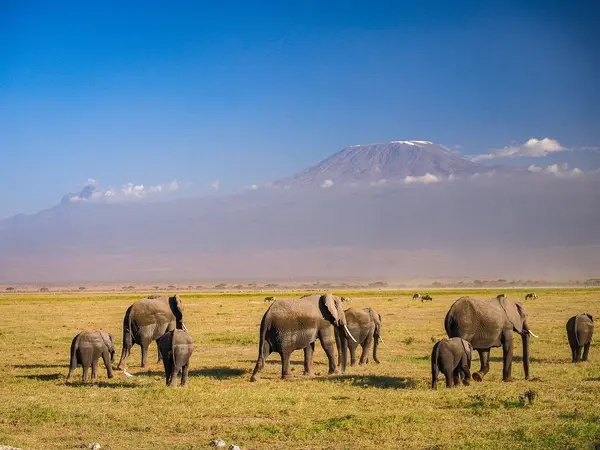
Tanzania·Classic·10 days, 9 nights
Perfect for couples & families
From
$3,850.00pp
10 days, 9 nights
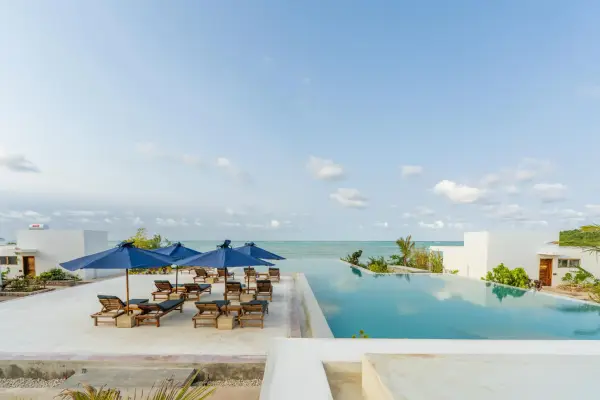
Tanzania·Classic·7 days, 6 nights
Perfect for couples & families
From
$2,450.00pp
7 days, 6 nights
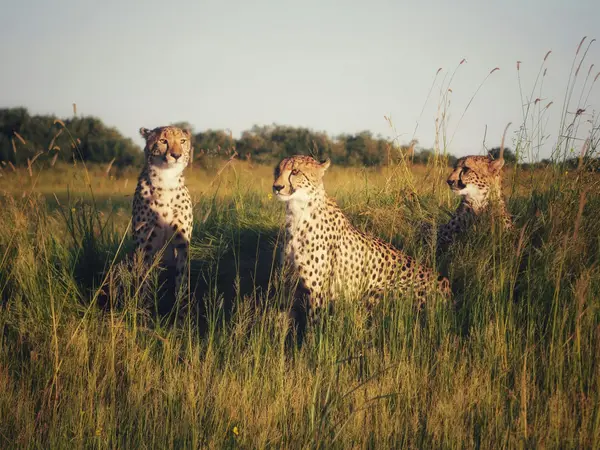
Tanzania·Mid-Luxury·10 days, 9 nights
Perfect for couples & families
From
$4,375.00pp
10 days, 9 nights
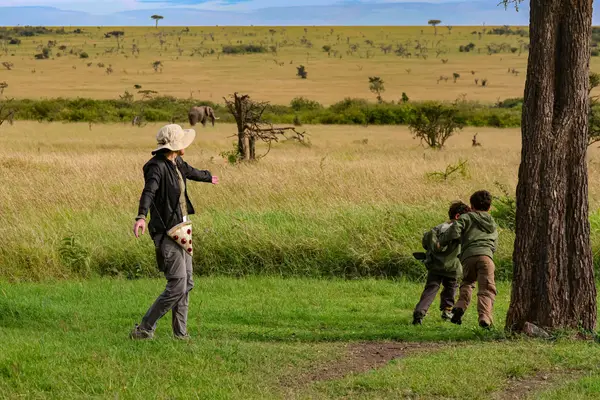
Tanzania·Mid-Luxury·8 days, 7 nights
Perfect for families & multi-gen families
From
$4,900.00pp
8 days, 7 nights
Where to stay
Accommodation our specialists recommend and book — chosen for location, comfort and value.
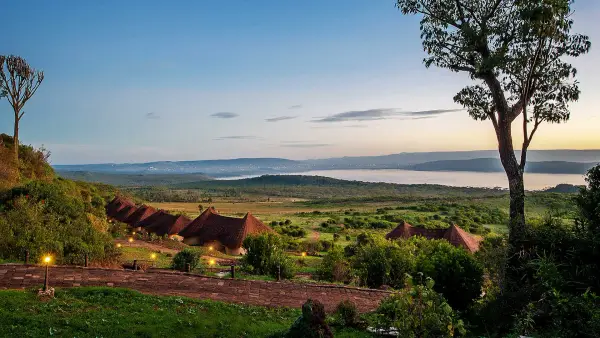
Mid-Luxury · Lodge
Lake Nakuru National Park
A lodge on the Rift Valley escarpment inside Lake Nakuru National Park, with balconies, a pool and sweeping views over the lake and its rhino sanctuary.
Good to know
Honest, specific answers to the questions we're asked most about this destination.
Planning & Cost
It depends mainly on the season, the number of days and the lodges you choose. Our private northern-circuit itineraries start from about US$3,100 per person for five days in Classic comfort, and rise with Mid-Luxury and Luxury camps. Park and conservation fees are set by the government and make up a significant share of every safari, and they are included in our prices. Every itinerary page shows a starting price per person, and we quote exactly for your dates.
Tanzania offers excellent game viewing all year. June to October is the classic dry season, with easy game viewing and the migration in the north. January to March brings the calving season in the southern Serengeti. The long rains of April and May are quieter and greener, and some camps close. We will recommend the best timing and route for what you most want to see.
Safari
Yes. You have your own vehicle and your own guide for the whole safari, and the daily pace, start times and stops are set around you, never around a group.
One of Emnel's own guides. The team that plans your safari is the team that runs it. About two weeks before you arrive, we send your trip companion, with your guide's details and everything else you need for the journey.
Booking
Tell us your dates and ideas, and we will design an itinerary and send a detailed proposal. To confirm, we ask for a 30% deposit plus any domestic flights, which are issued on confirmation. You then receive your official confirmation, and about two weeks before you travel, your trip companion with every final detail.
Zanzibar
Yes. A short flight from the Serengeti or Arusha takes you to Zanzibar's beaches. We recommend at least one night in Stone Town alongside your beach stay.
Keep exploring
Other places our local experts know and love across the region.
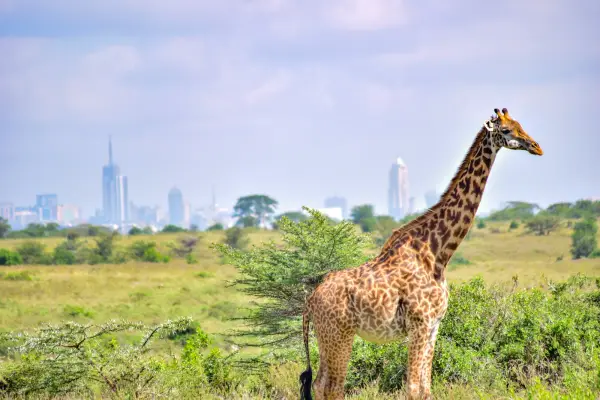
Nairobi County · Kenya
Kenya's capital and safari gateway, with a national park on its doorstep and the Giraffe Centre and Sheldrick elephant orphanage within easy reach.
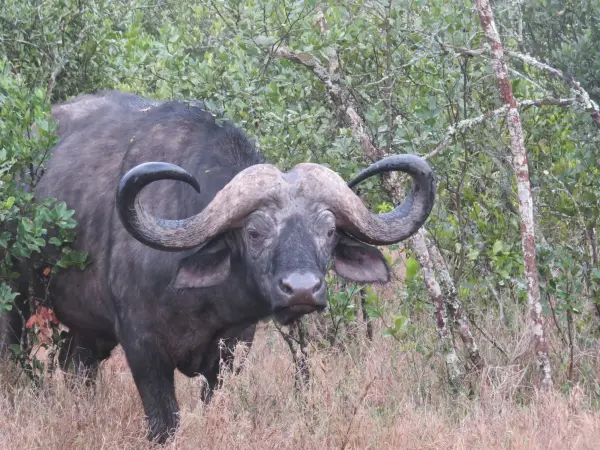
Laikipia County · Kenya
A Laikipia conservancy on the equator beneath Mount Kenya, home to the Big Five, East Africa's largest black rhino sanctuary, the last two northern white rhinos and Kenya's only chimpanzee sanctuary.
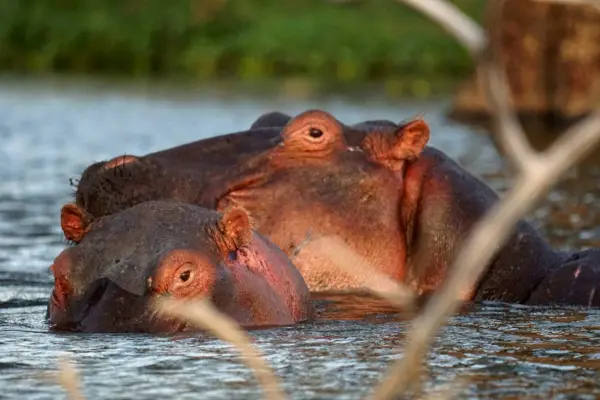
Nakuru County · Kenya
A freshwater Rift Valley lake of hippos, fish eagles and acacia shores, with boat trips, walking safaris and Hell's Gate close by.
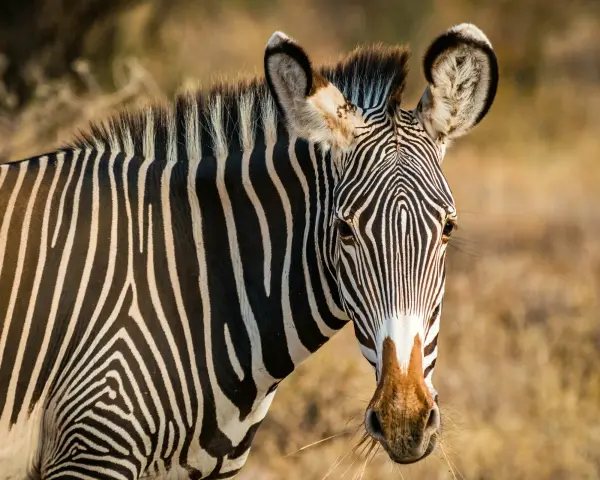
Samburu County · Kenya
Wild, arid northern Kenya on the Ewaso Ng'iro River, home to the Samburu Special Five and some of the darkest night skies in East Africa.
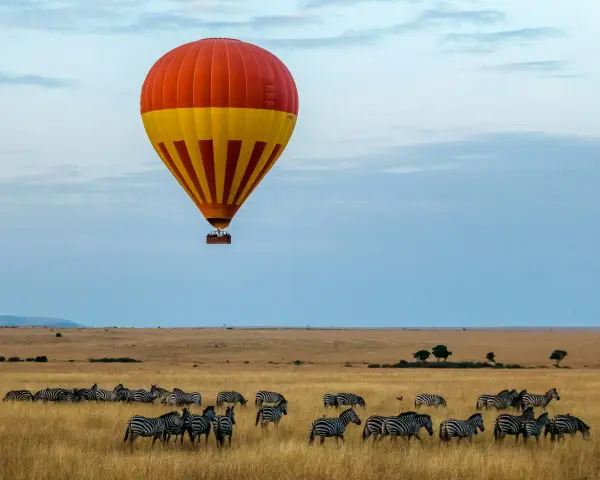
Narok County · Kenya
Kenya's most famous reserve, where the Great Migration crosses the Mara River and big cats roam rolling golden plains.
Kajiado County · Kenya
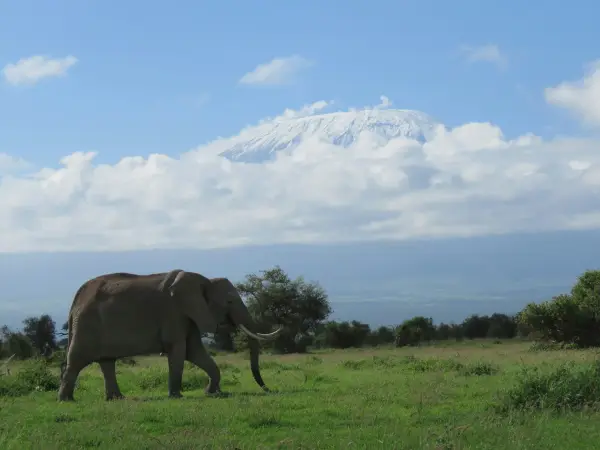
Kenya's classic Kilimanjaro park: big-tusked elephant herds, open swamps and dawn views of Africa's highest mountain across the plains.
Start planning
Tell us what you have in mind and a local expert will craft a tailored plan — no payment needed to start.