Skip to content
Emnel Adventures
Ol Pejeta Conservancy

Laikipia County · Kenya

Ol Pejeta Conservancy

A Laikipia conservancy on the equator beneath Mount Kenya, home to the Big Five, East Africa's largest black rhino sanctuary, the last two northern white rhinos and Kenya's only chimpanzee sanctuary.

Overview

Why go to Ol Pejeta Conservancy

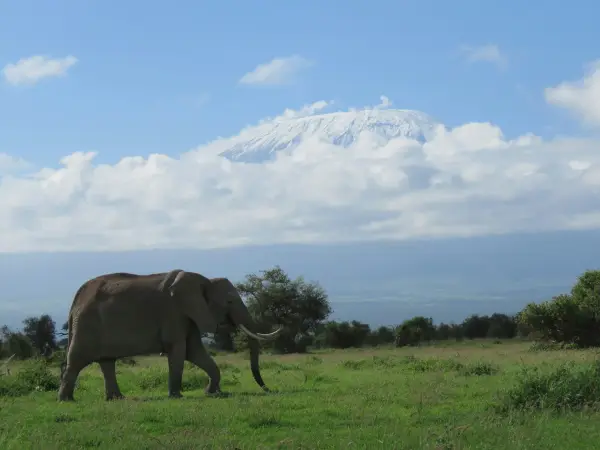
Ol Pejeta Conservancy lies on the Laikipia Plateau in central Kenya, straddling the equator beneath the snow-capped peaks of Mount Kenya. A not-for-profit wildlife conservancy, it is home to the Big Five, the largest black rhino sanctuary in East Africa, the last two northern white rhinos on earth and Kenya's only chimpanzee sanctuary.

Easily reached from Nairobi, Ol Pejeta pairs naturally with Samburu in the north and the Maasai Mara in the south.

Exceptional wildlife · A photographer’s favourite · Great for families

Country

Kenya

Circuit

Laikipia County

How Ol Pejeta Conservancy scores

Compare all
Wildlife
9
Luxury
7
Family
8
Photography
8
Adventure
7

The travel guide

Get to know Ol Pejeta Conservancy

Ol Pejeta at a glance

Location
Laikipia County, central Kenya, near the town of Nanyuki
Setting
Savannah and acacia woodland on the equator, with views of Mount Kenya
Known for
Black and white rhino, the Big Five and conservation experiences
Best time
Year-round; driest from June to October and January to February
Getting there
Around 3.5–4 hours by road from Nairobi, or a short flight to Nanyuki
Ideal stay
2 nights
Pairs well with
Samburu, the wider Laikipia Plateau and the Maasai Mara

Why go to Ol Pejeta?

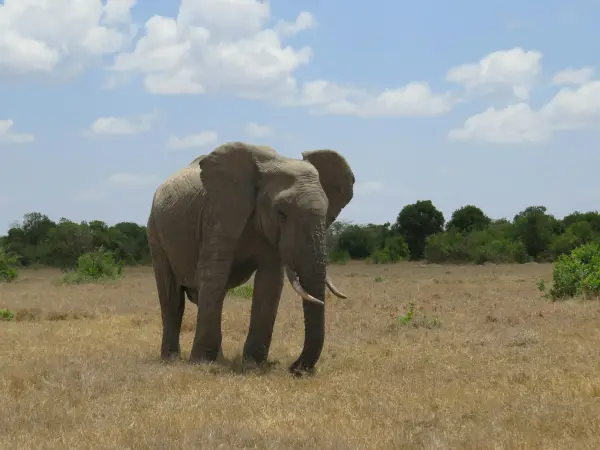
Ol Pejeta shows what a modern conservancy can achieve. Once a cattle ranch, it now protects one of the highest densities of wildlife in Kenya alongside working livestock, and its revenue supports conservation and the surrounding communities. For visitors that means excellent game viewing — lion, leopard, elephant, buffalo and rhino all present — with fewer vehicles and more flexibility than in many national parks.

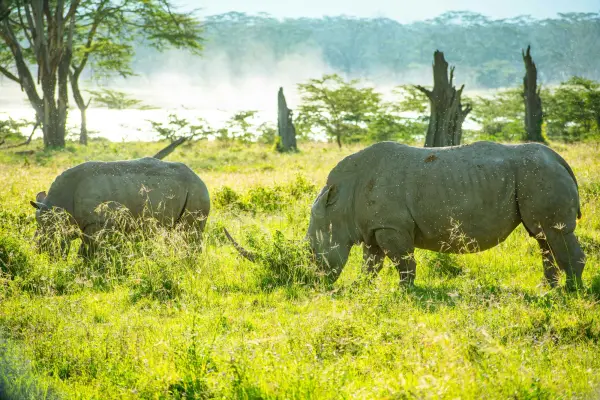
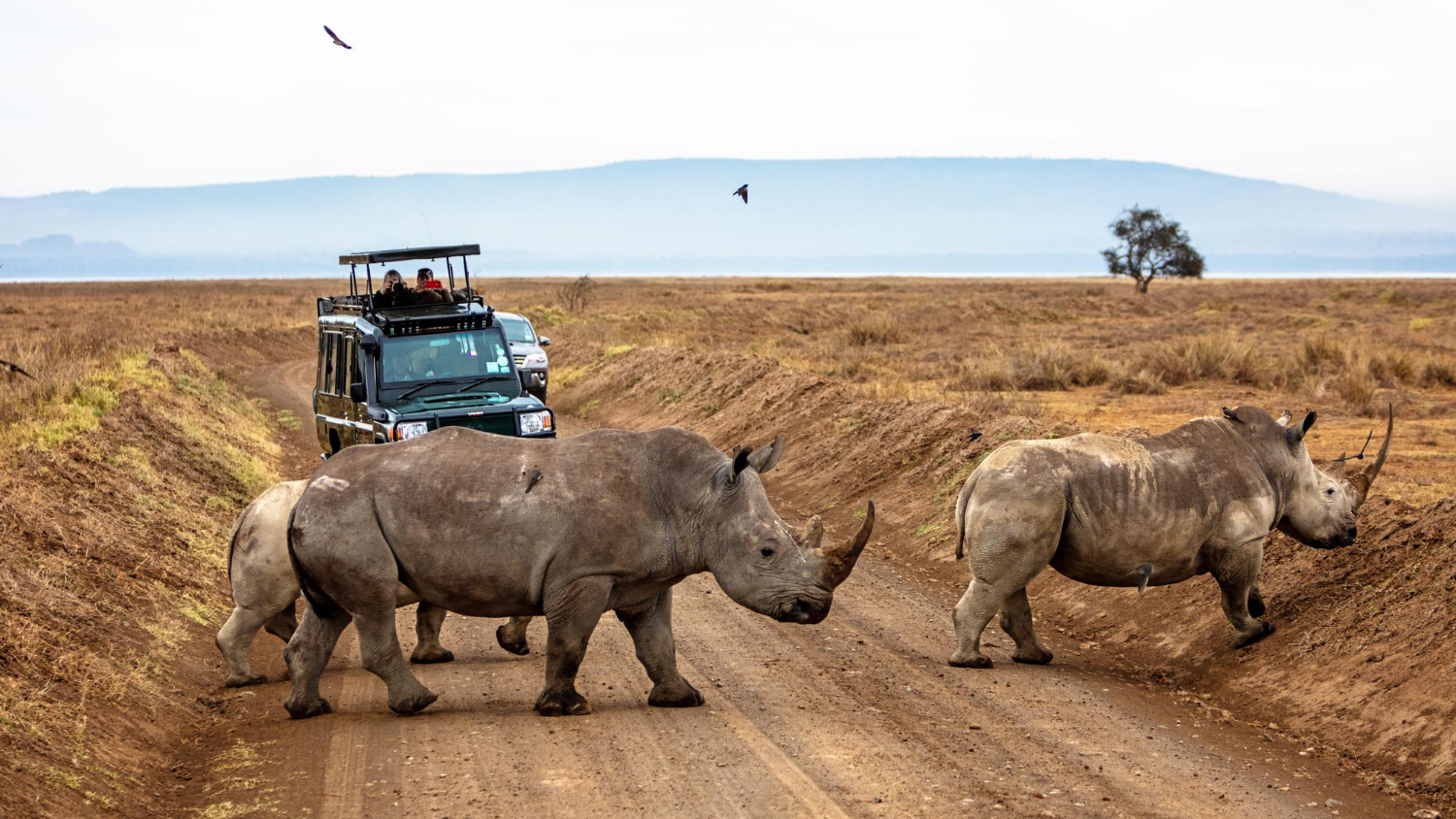
Rhino are the heart of Ol Pejeta. It is the largest black rhino sanctuary in East Africa, has a strong population of southern white rhino, and is home to the last two northern white rhinos, a subspecies on the very edge of extinction. Seeing them, guarded day and night by their keepers, is a quiet and moving experience.

Field Notes

Ol Pejeta's activities go well beyond game drives. We like to add at least one conservation experience — time with the rhino rangers, a visit to the chimpanzee sanctuary or a predator-tracking morning — because it shows how the conservancy really works.

Wildlife and experiences

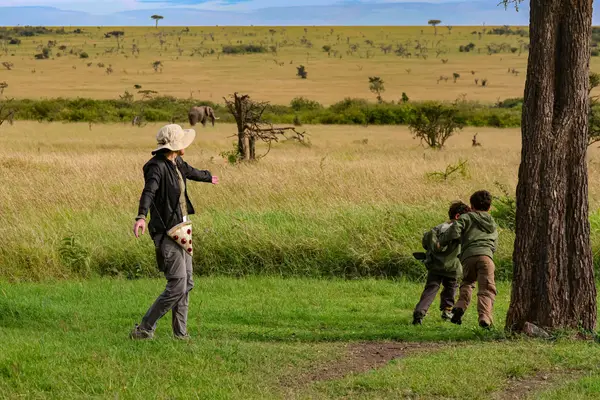
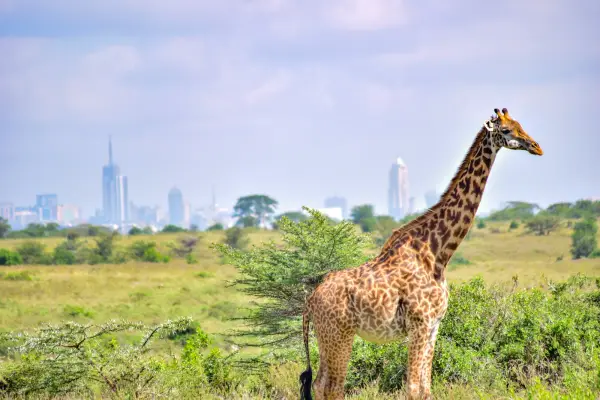
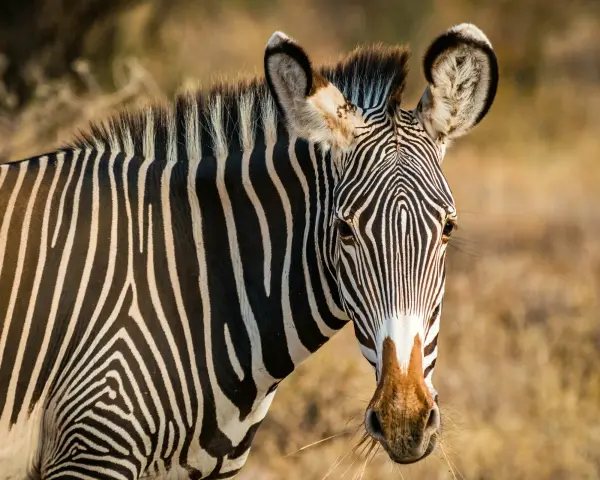
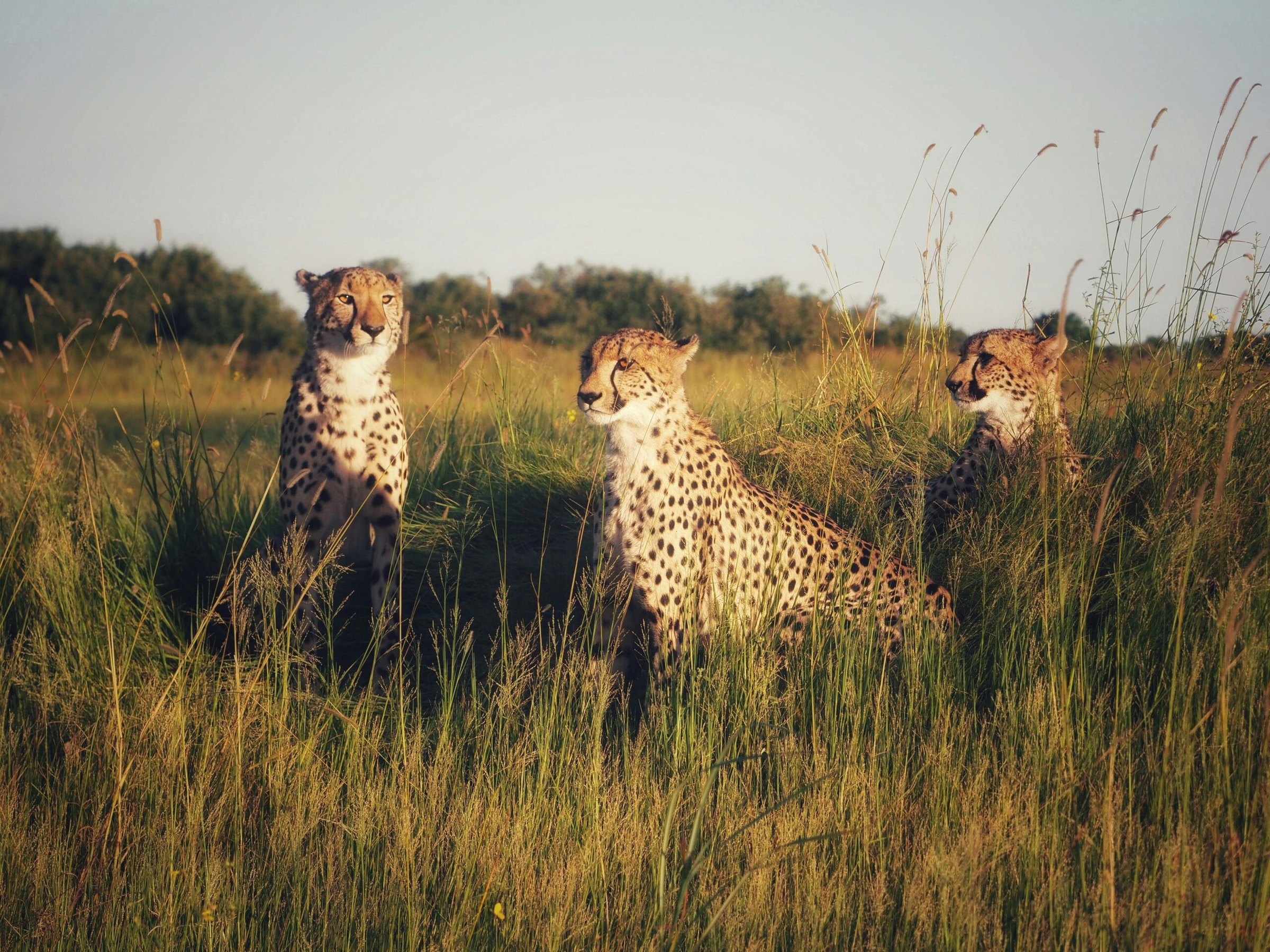
Alongside the Big Five you can expect Grevy's and plains zebra, reticulated giraffe, eland, Jackson's hartebeest, cheetah and plentiful birdlife. The Sweetwaters Chimpanzee Sanctuary cares for chimpanzees rescued from across Africa; they are not native to Kenya, and the sanctuary offers them a permanent home. Night game drives, guided walks, lion tracking with researchers and visits to the endangered species enclosure are all possible.

Did You Know?

Ol Pejeta sits almost exactly on the equator, and there is a marker within the conservancy where you can stand with one foot in each hemisphere.

When to visit Ol Pejeta

Ol Pejeta month by month

Months

January – February

Season
Short dry season
What to expect
Clear Mount Kenya views and good game viewing

Months

March – May

Season
Long rains
What to expect
Green and quiet; some afternoon storms

Months

June – October

Season
Long dry season
What to expect
Cool mornings and excellent game viewing

Months

November – December

Season
Short rains
What to expect
Fresh grazing and newborn animals

How to get to Ol Pejeta

From Nairobi the drive north through the central highlands takes around three and a half to four hours. Scheduled flights to Nanyuki take under an hour, with a short transfer to the conservancy. From Ol Pejeta it is an easy onward journey north to Samburu, or a flight south to the Maasai Mara.

Where to stay and how long

Two nights allow a full programme of game drives and one or two conservation activities. Stays range from tented camps inside the conservancy to camps just outside its gates, and we choose according to the activities you would like to include.

Ol Pejeta — your questions, answered

Can you see the Big Five at Ol Pejeta?

Yes. Lion, leopard, elephant, buffalo and both black and white rhino live on the conservancy.

Can I see the northern white rhinos?

Yes. The last two northern white rhinos live at Ol Pejeta under round-the-clock protection, and visits can be arranged with the conservancy.

Why are there chimpanzees in Kenya?

The Sweetwaters Chimpanzee Sanctuary gives a permanent home to chimpanzees rescued from the illegal wildlife trade elsewhere in Africa. They are not native to Kenya.

How far is Ol Pejeta from Nairobi?

Around three and a half to four hours by road, or a short flight to Nanyuki.

What can I combine with Ol Pejeta?

Samburu to the north and the Maasai Mara to the south make a classic Kenya circuit with Ol Pejeta.

↑ Back to top

Safaris

Safaris through Ol Pejeta Conservancy

Private itineraries that visit Ol Pejeta Conservancy or spend a night at one of its lodges.

All tours in Ol Pejeta Conservancy

Popular safaris

Where to stay

Lodges & camps in Ol Pejeta Conservancy

Accommodation our specialists recommend and book — chosen for location, comfort and value.

Maisha Sweetwaters Camp

Mid-Luxury · Tented camp

Maisha Sweetwaters Camp

Ol Pejeta Conservancy

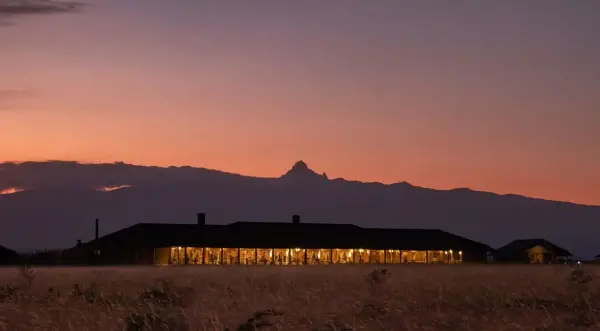
A modern tented camp beside Ol Pejeta's Rongai Gate on the equator, with spacious tents, a heated pool, a spa and sunsets over Mount Kenya.

Explore this stay
Compare stays in Ol Pejeta Conservancy

Good to know

Ol Pejeta Conservancy — your questions, answered

Honest, specific answers to the questions we're asked most about this destination.

Planning & Cost

What does a private Tanzania safari cost?

It depends mainly on the season, the number of days and the lodges you choose. Our private northern-circuit itineraries start from about US$3,100 per person for five days in Classic comfort, and rise with Mid-Luxury and Luxury camps. Park and conservation fees are set by the government and make up a significant share of every safari, and they are included in our prices. Every itinerary page shows a starting price per person, and we quote exactly for your dates.

When is the best time to go on safari in Tanzania?

Tanzania offers excellent game viewing all year. June to October is the classic dry season, with easy game viewing and the migration in the north. January to March brings the calving season in the southern Serengeti. The long rains of April and May are quieter and greener, and some camps close. We will recommend the best timing and route for what you most want to see.

Safari

Is every Emnel safari private?

Yes. You have your own vehicle and your own guide for the whole safari, and the daily pace, start times and stops are set around you, never around a group.

Who will our guide be?

One of Emnel's own guides. The team that plans your safari is the team that runs it. About two weeks before you arrive, we send your trip companion, with your guide's details and everything else you need for the journey.

Booking

How does booking work?

Tell us your dates and ideas, and we will design an itinerary and send a detailed proposal. To confirm, we ask for a 30% deposit plus any domestic flights, which are issued on confirmation. You then receive your official confirmation, and about two weeks before you travel, your trip companion with every final detail.

Zanzibar

Can we add Zanzibar to our safari?

Yes. A short flight from the Serengeti or Arusha takes you to Zanzibar's beaches. We recommend at least one night in Stone Town alongside your beach stay.

Start planning

Ready to explore Ol Pejeta Conservancy?

Tell us what you have in mind and a local expert will craft a tailored plan — no payment needed to start.